
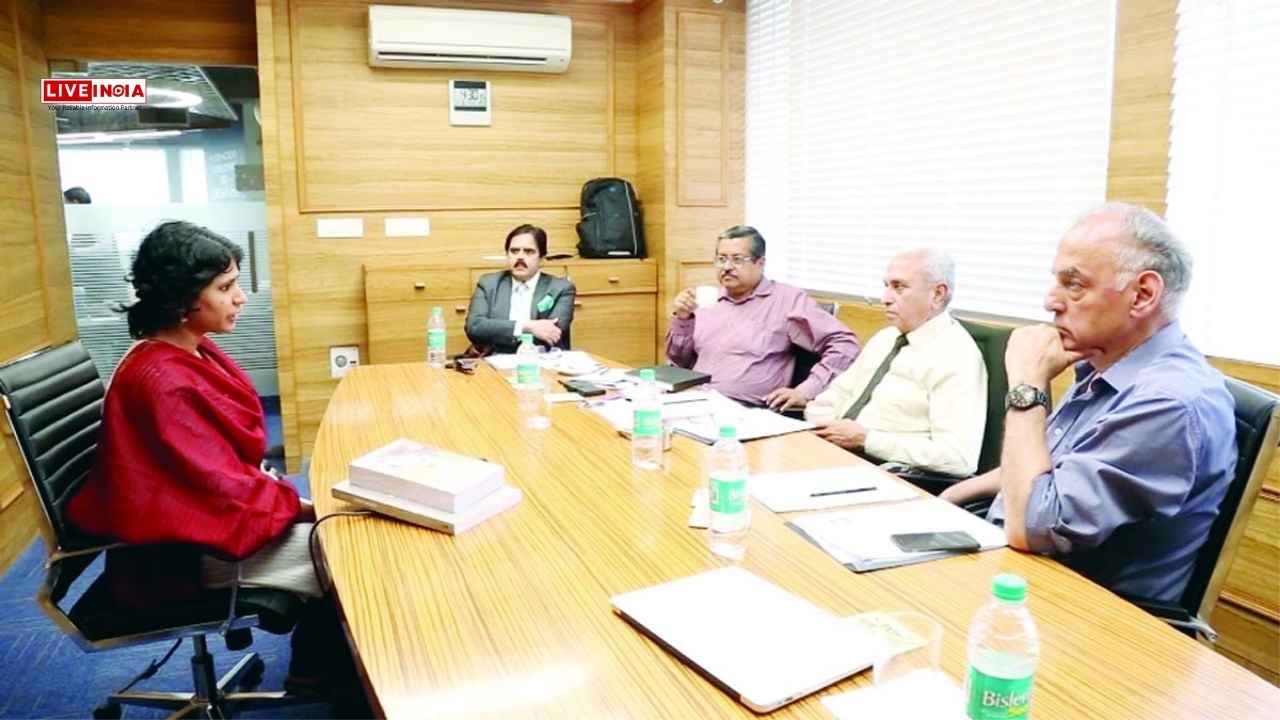


Understanding these five question categories can help aspirants approach the UPSC personality test with confidence and clarity.
July-7, 2025: The Union Public Service Commission (UPSC) conducts the prestigious Civil Services Examination (CSE) to select candidates for top administrative roles in India, including the IAS, IPS, and IFS. While clearing the Prelims and Mains is a formidable challenge, it is the Interview Round—or Personality Test—that often proves to be the most unpredictable.
Also Read: Facebook And Instagram Premium Users Are Getting Banned And The Reason Is….
The UPSC interview, unlike a typical job interview, is a comprehensive assessment of a candidate’s personality, judgment, ethical standards, and composure under pressure. The board doesn’t just test academic knowledge—it assesses how candidates think, react, and communicate.
Here are the five major types of questions frequently asked during the UPSC interview round:
Also Read: Ex-CJI Chandrachud Breaks Silence On SC Order To Vacate Bungalow
1. Factual Questions
These are straightforward questions that test a candidate’s general awareness and command over basic information.
Examples:
- “What is the current GDP growth rate of India?”
- “Name the constitutional bodies in India.”
These questions are meant to assess the depth of your preparation and awareness of current events and static knowledge.
2. Opinion-Based Questions
Here, candidates are asked to articulate their views on contemporary socio-political and economic issues.
Examples:
- “What is your opinion about the recent changes in farm laws?”
- “Do you think the Uniform Civil Code is necessary?”
These questions test critical thinking, clarity of thought, and balanced judgment.
3. Situational or Hypothetical Questions
Aimed at checking decision-making skills and ethics, these questions place the candidate in imaginary real-world roles, often administrative.
Examples:
- “You’re a DM and a communal riot breaks out. What steps will you take?”
- “If you are a police officer and your superior asks you to ignore illegal construction by a politician, how will you handle it?”
These assess your administrative acumen and integrity.
4. Personal Questions
These explore the candidate’s background, motivations, hobbies, and vision for life.
Examples:
- “Tell us about your hometown and how it shaped you.”
- “Where do you see yourself 10 years from now in the civil services?”
These questions provide insight into your personality, passions, and long-term goals.
5. Presence of Mind Questions
This category includes tricky or unusual questions aimed at evaluating your ability to think on your feet.
Example:
- “Tell us your roll number and add the digits.”
- “You have two coins that together make 30 rupees. One of them is not a 10 rupee coin. What are the coins?”
These test your alertness, composure, and creativity under stress.
While the UPSC interview board is known for its impartiality and professionalism, it’s also known for its unpredictability. Hence, a blend of knowledge, honesty, presence of mind, and humility is key to impressing the panel.
Tags: UPSC Interview, Civil Services Exam, IAS Preparation, UPSC Personality Test, UPSC Questions, Government Jobs, UPSC 2025, Interview Tips