

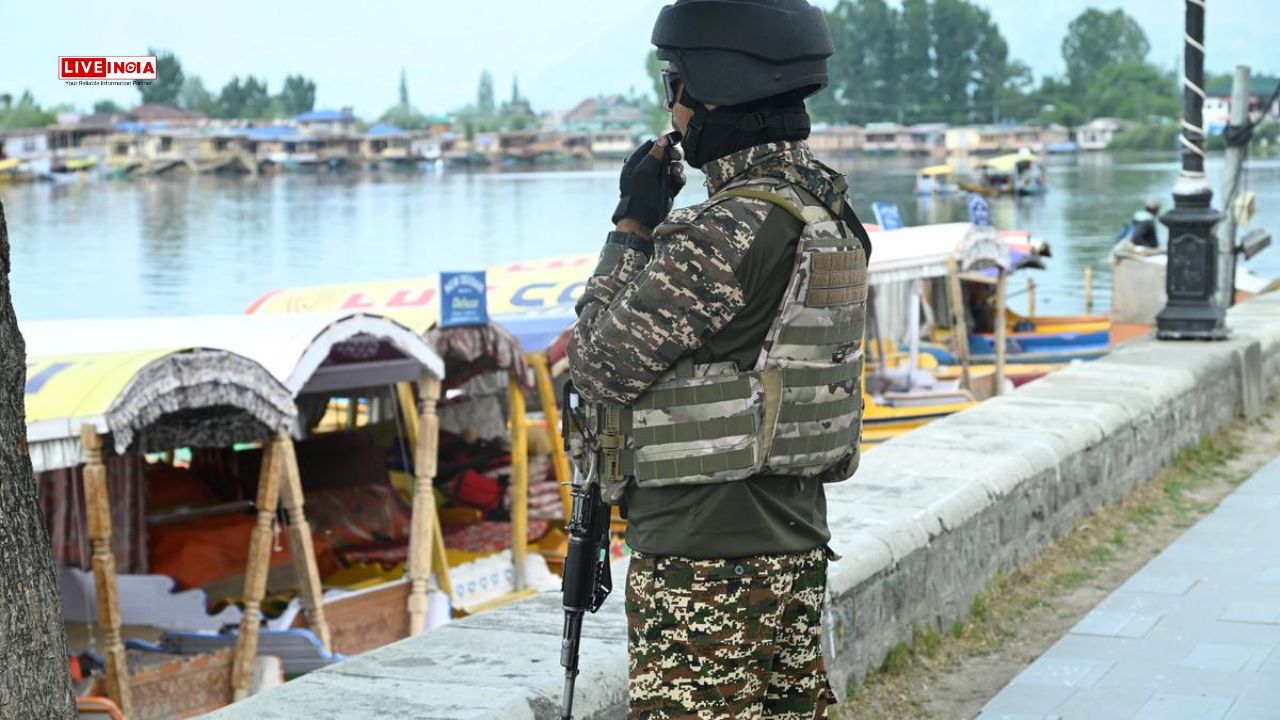


After US mediation led by Donald Trump, both nations announce an immediate halt to hostilities across land, air, and sea; India reiterates zero-tolerance for terrorism.
May 10, 2025: In a major diplomatic breakthrough following days of military escalation, India and Pakistan have agreed to a complete ceasefire starting 5 PM IST today, covering all military operations on land, air, and sea.
The announcement was made by Foreign Secretary Vikram Misri, shortly after former US President Donald Trump declared that his team had mediated an “immediate and full ceasefire” after a prolonged round of overnight negotiations.
Also Read: Delhi Airport Maintains Normal Operations Amid Heightened Indo-Pak Tensions
DGMOs Seal Agreement After Pak Call
The decision was finalised during a direct conversation between the Director Generals of Military Operations (DGMOs) of India and Pakistan. The call, initiated by Pakistan earlier in the afternoon, led to a mutual understanding.
“There is no plan to hold talks on any other issues beyond this ceasefire understanding at this stage,” Misri clarified.
Also Read: India and Pakistan Agree to Ceasefire After U.S.-Brokered Talks, Confirms Trump
Jaishankar Reiterates India’s Position on Terror
India’s External Affairs Minister S Jaishankar confirmed the development on X (formerly Twitter), stating:
“India and Pakistan have today worked out an understanding on stoppage of firing and military action. India has consistently maintained a firm and uncompromising stance against terrorism in all its forms and manifestations. It will continue to do so.”
Background
The ceasefire comes after:
- Operation Sindoor, India’s precision strikes on Pakistan’s terror infrastructure following the April 22 Pahalgam massacre, which killed 26 civilians.
- Pakistan’s escalation through drone and missile strikes at over 26 Indian locations across multiple states.
- India’s airstrikes on key Pakistani military bases, including those housing Chinese and Turkish-made defence systems.
The ceasefire halts what had become one of the most volatile standoffs between the two nuclear-armed neighbours since Balakot in 2019.