
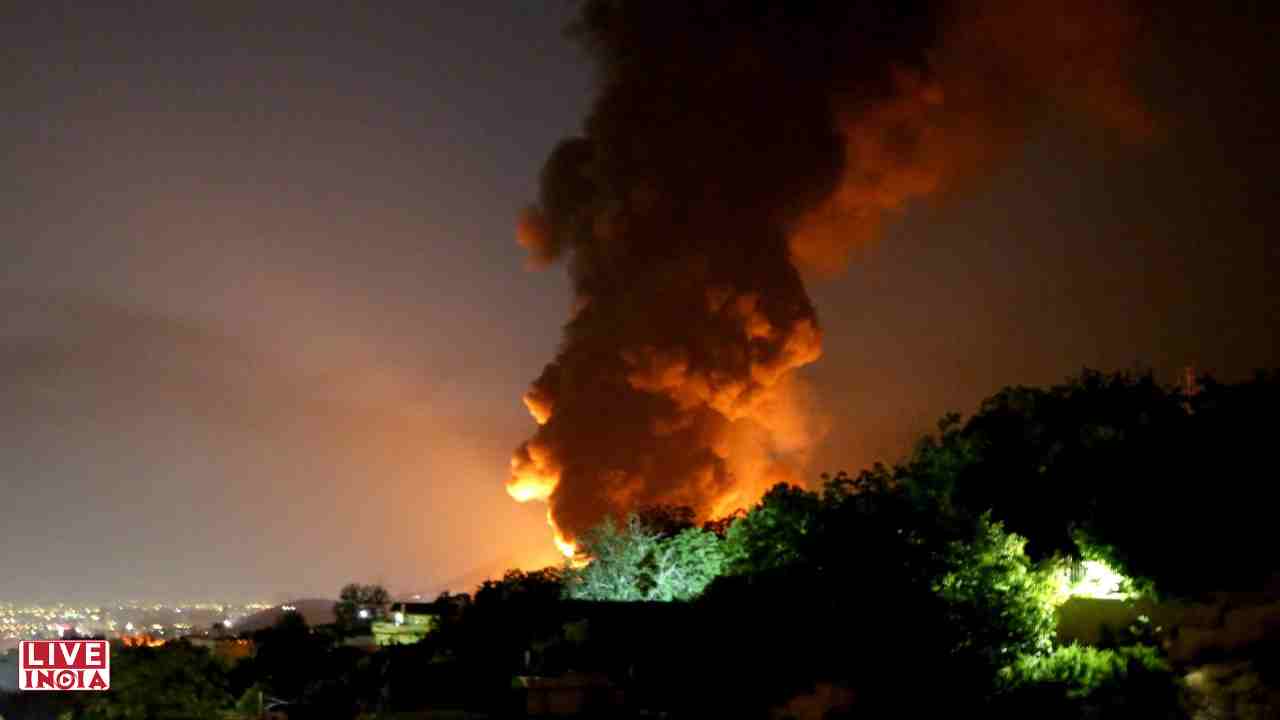


IDF Chief Lt.-Gen. Eyal Zamir hails Israeli intelligence for flipping Iran’s long-standing offensive strategy and intensifying targeted strikes on Tehran’s military leadership.
In a bold declaration during a high-level briefing, Israel Defense Forces (IDF) Chief of Staff Lt.-Gen. Eyal Zamir stated that Israel is now using Iran’s own “ring of fire” strategy against it, turning the Islamic Republic’s long-constructed military apparatus into a weapon turned inward. The statement comes amid Israel’s increasingly aggressive strikes targeting top Iranian commanders, as the ongoing Israel-Iran conflict escalates to new levels of regional instability.
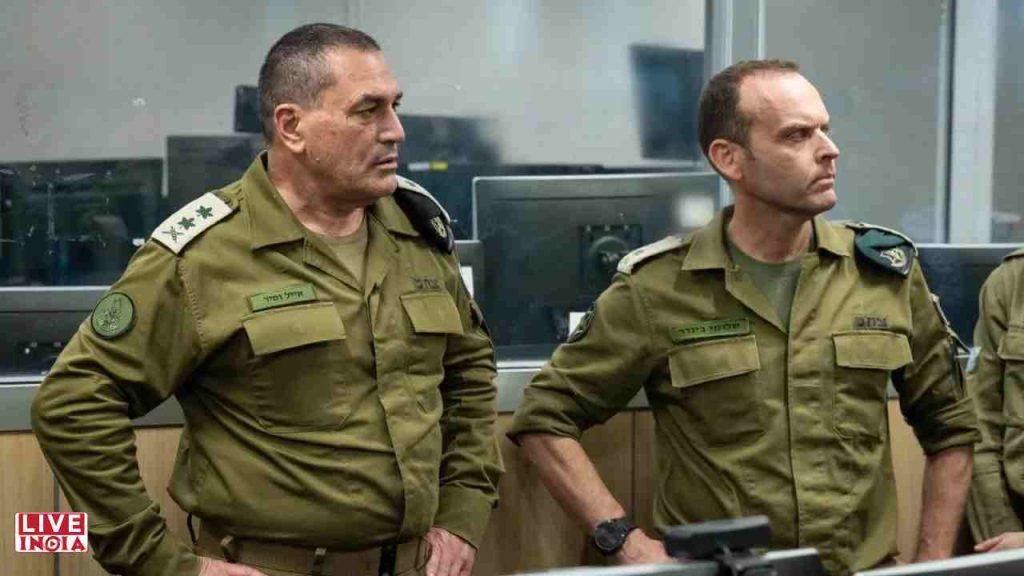
“We Are Changing the Face of the Middle East,” Says Zamir
Addressing the commanders and soldiers of the IDF’s Intelligence Directorate, Zamir praised their “extraordinary and awe-inspiring capabilities” in transforming years of Iranian strategic planning into a tactical advantage for Israel.
“We are now turning the ‘ring of fire’—the sword that they built for years to attack us—against them on their territory,” Zamir declared, according to The Jerusalem Post. “What we are doing here is historic.”
Zamir’s remarks underscore how Israeli intelligence has rapidly adapted to an evolving battlefield, drawing global admiration and strategic interest.
IDF Intelligence Delivers Major Strikes on Iranian Targets
Maj.-Gen. Shlomi Binder revealed that recent operations had dealt significant blows to Iranian military leadership, including:
- A strike on the Quds Force on the first night of the offensive.
- A follow-up attack on a covert regime headquarters hidden in mountainous terrain.
- The elimination of the Chief of Staff of Khatam al-Anbiya, who had fled to a secondary location after the first wave of attacks.
“We have targeted nearly 30 commanders,” Binder said. “We need to deliver, increase the pace, and that’s exactly what we’re doing.”
Hezbollah Vows Unwavering Support for Iran
Meanwhile, Hezbollah leader Sheikh Naim Qassem delivered a fiery speech pledging “all forms of support” to Iran in its conflict with Israel and the United States. He defended Iran’s nuclear ambitions as peaceful and scientific, and accused Western powers of opposing Iran due to its ideological and cultural independence.
“Iran represents a great scientific contribution to the region… the world opposes Iran not for its nuclear capabilities, but for standing for faith, knowledge, and freedom,” said Qassem.
He further called on “all free people” to rally around Iran’s Supreme Leader Ayatollah Ali Khamenei, praising him as the “noblest and most honorable leadership.”
U.S. Warns Hezbollah Against Joining the War
In a significant diplomatic intervention, U.S. Special Envoy for Syria and Ambassador to Turkey, Thomas Barrack, warned Hezbollah during his visit to Beirut. After meeting with Lebanese Parliament Speaker Nabih Berri, a Hezbollah ally, Barrack told reporters:
“It would be a very, very, very bad decision for Hezbollah to enter this war.”
Barrack emphasized that President Trump and U.S. Special Envoy Steve Witkoff are unified in their message that Lebanon must disarm Hezbollah as tensions spiral.
Strategic Landscape Shifts as Israel Targets Iranian Military Elite
With Israeli strikes intensifying and Hezbollah vowing retaliation, the Middle East appears to be teetering on the brink of a larger war. IDF’s Chief Zamir reaffirmed Israel’s zero-tolerance approach:
“This is the kind of threat the State of Israel cannot tolerate. Period.”
Israel’s campaign, increasingly strategic and intelligence-driven, is rapidly reshaping the regional power dynamics, with Tel Aviv asserting dominance through precision warfare and intelligence supremacy.