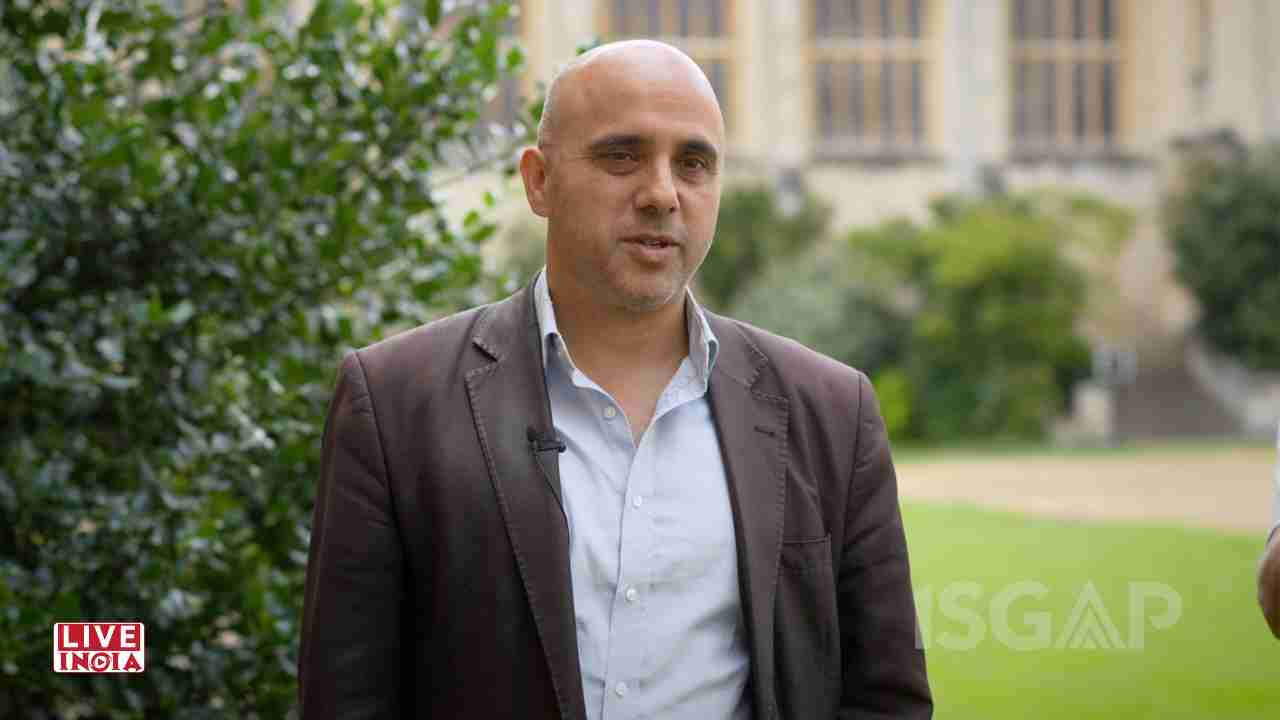
Pakistan’s Use of Terror Proxies Root Cause of Current Crisis, Says Expert
London [UK], May 9: Amid escalating hostilities between India and Pakistan, Jonathan Spyer, Director of Research at the Middle East Forum, has urged global media and observers to focus on the real root cause of the conflict — Pakistan’s continued use of Islamist terror groups as state policy tools.
In an interview with ANI, Spyer stressed that while international efforts to de-escalate tensions are welcome, they must not overlook Pakistan’s long-standing strategy of employing terror proxies, which triggered the latest round of hostilities.
“There has been a serious escalation in recent days. While it’s encouraging to see the U.S. — including Secretary of State Marco Rubio — step in to cool tensions, much of the media is missing the underlying cause,” Spyer said. “Pakistan’s use of Islamist militant groups to target India is a crucial element that should not be ignored.”
Spyer emphasized that India’s military response — through Operation Sindoor, which targeted terror camps in Pakistan and PoJK — was a measured reaction to repeated provocations including the brutal April 22 terror attack in Pahalgam, which claimed the lives of 26 civilians.
“This is not a case of spontaneous conflict between nuclear powers,” Spyer added. “It’s a familiar pattern — one side [Pakistan] using terrorist organizations to further its geopolitical goals, and the other [India] defending itself.”
On Pakistan’s claim that Indian strikes had targeted mosques and civilian areas, Spyer warned against premature conclusions, citing the “fog of war.” However, he reaffirmed that the Pahalgam attack was a clear case of civilian massacre, making India’s retaliation both justified and proportionate.
“Pakistan’s denial is expected, but what’s undeniable is their pattern of supporting extremist groups. The Pahalgam attack showed deliberate, gruesome targeting of civilians,” he said.
Tensions have spiraled since India launched Operation Sindoor in response to the Pahalgam massacre. In retaliation, Pakistan fired a series of drones and missiles at targets across Jammu & Kashmir and Rajasthan on Thursday night. However, most were intercepted by India’s robust air defence systems, including the S-400 missile shield, limiting the damage.
With the situation still volatile, international calls for restraint and diplomacy have grown louder. However, analysts like Spyer argue that any resolution must start with holding Pakistan accountable for its state-sanctioned use of terror.
Sunny Deol and Akshaye Khanna face off in a high-stakes courtroom drama of ethics and…
No refund for Vande Bharat and Amrit Bharat tickets cancelled within eight hours of departure…
Services to four destinations suspended till February 28 over regional security concerns February 3, 2026:…
Eight Opposition MPs suspended after repeated disruptions over national security debate February 3, 2026: The…
Makers consider recast after Deepika Padukone’s exit from Kalki 2898 AD 2 February 3, 2026:…
Former India captain calls award a special moment, vows to keep winning matches for the…