


U.S. mulls ‘secondary tariffs’ and pressure tactics on partner nations as part of new strategy to curb Beijing’s manufacturing influence
Washington DC [US], April 17: The Trump administration is formulating a new strategy to curb China’s manufacturing dominance by urging allied nations to reduce trade with Beijing—a move that could reshape global trade alignments, according to a report by The Japan Times.
As negotiations over U.S. tariffs continue, President Trump’s economic advisors are reportedly proposing a bold new step: asking foreign governments to impose “secondary tariffs”—financial penalties on Chinese-linked imports—and to reject surplus goods exported from China.
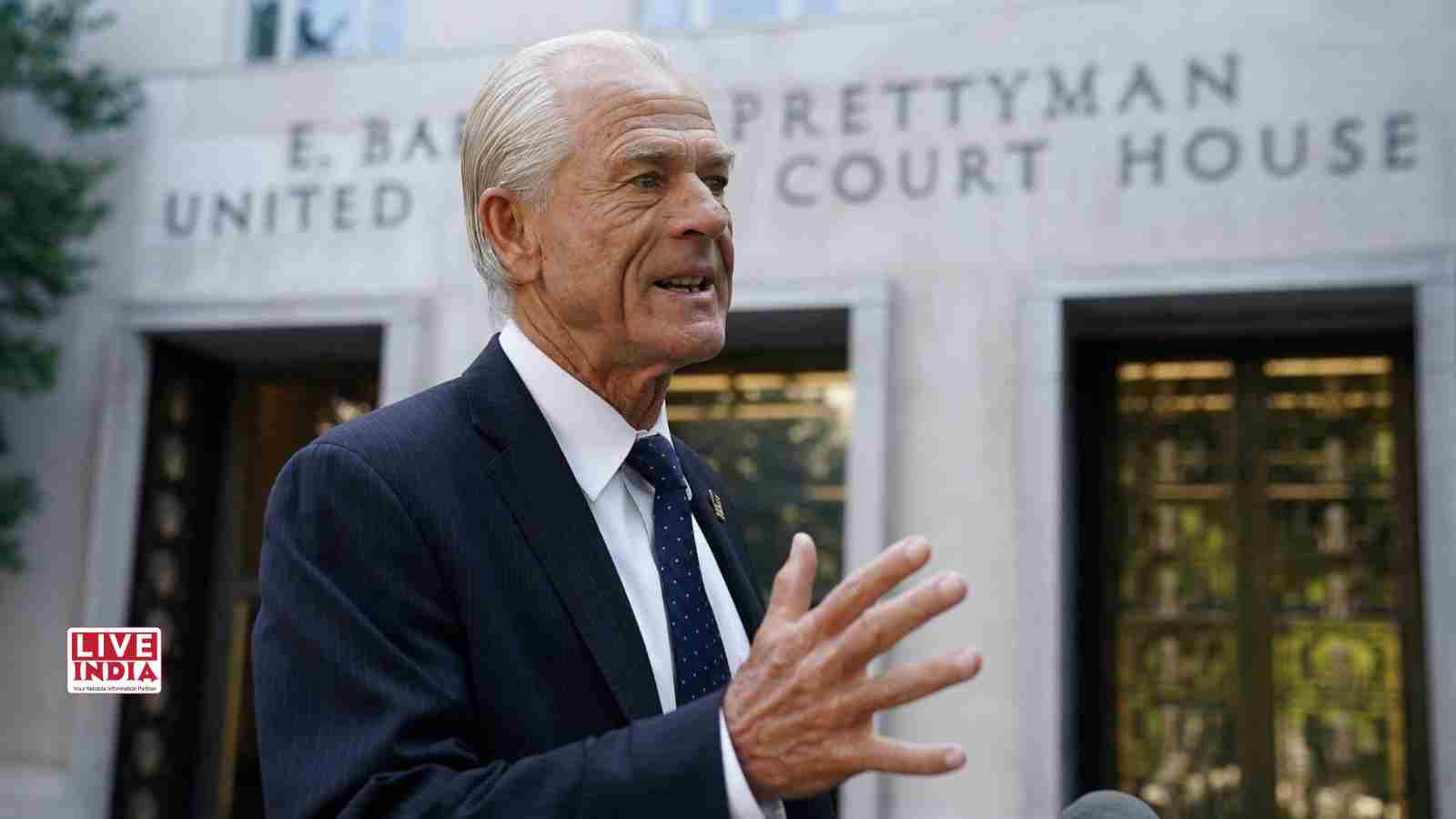
The aim is to prevent China from circumventing existing U.S. tariffs through transhipment or indirect exports via third-party countries, a tactic Trump’s advisor Peter Navarro claims is being exploited particularly through Vietnam, which he controversially referred to as a “colony of communist China.”
This effort signals an escalation in the Trump administration’s approach to China, moving beyond direct bilateral pressure to a broader, global coalition-building effort to isolate Beijing economically.
“We want our allies to stop being used as backdoors for Chinese goods,” a senior official was quoted as saying in The Japan Times.
Despite these aggressive proposals, the recent U.S.–EU trade discussions yielded little progress, with White House officials confirming that most of the 20% tariffs on EU imports would remain. This stance was met with unease in Europe.
U.S. Treasury Secretary Scott Bessent recently warned the European Union against tilting toward China, singling out Spain for its overtures.
“That would be cutting your own throat,” Bessent remarked, criticizing Madrid’s alignment with Beijing.
In response, Spanish Economy Minister Carlos Cuerpo defended Europe’s balanced foreign policy, stating that China remains a strategic partner for the EU, and emphasized the importance of engaging with all major global powers, as per The Japan Times.
This latest push comes amid heightened global trade tensions, with Trump’s team doubling down on “America First” trade policies. As the 2026 U.S. election cycle looms, economic nationalism and anti-China rhetoric appear to be central to the administration’s international strategy.