
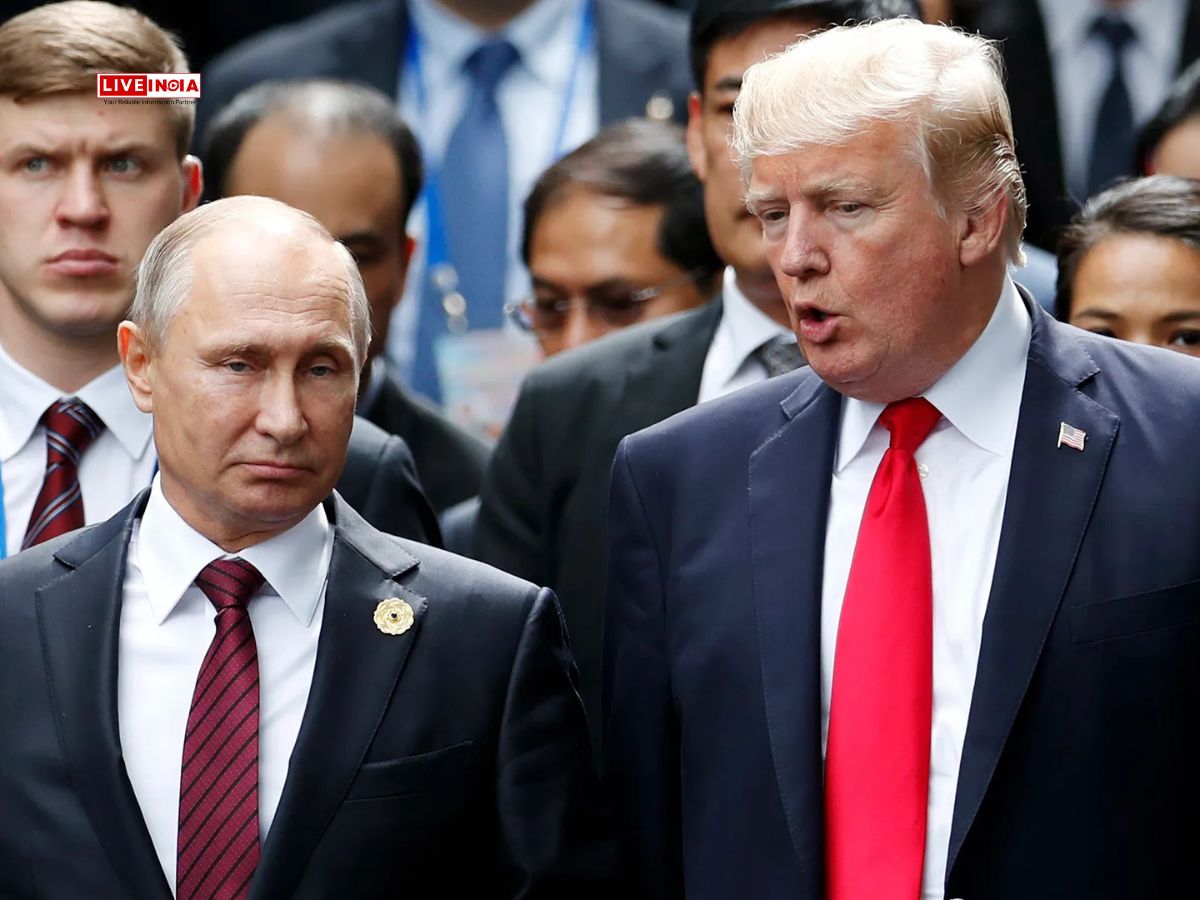


“US and Russia agree on ceasefire negotiations, prisoner exchange, and bilateral cooperation, but Putin insists on halting foreign military support to Ukraine.”
Washington/Moscow, March 19, 2025
In a high-stakes, two-hour phone call, US President Donald Trump and Russian President Vladimir Putin agreed that the Ukraine war must end with lasting peace, but Moscow set a key condition—a complete halt to foreign military aid and intelligence sharing with Kyiv.
Also Read: Zelenskyy Warns of Russian Troop Buildup Amid Trump’s Ceasefire Claim
Key Agreements from the Call
- Ceasefire Talks: The leaders agreed to begin technical negotiations on a Black Sea maritime ceasefire, energy infrastructure security, and a full ceasefire leading to permanent peace.
- Middle East Cooperation: Both sides discussed potential US-Russia collaboration to prevent future conflicts and agreed that Iran should never be in a position to destroy Israel.
- Prisoner Exchange: 175 prisoners from each side will be exchanged on Wednesday, with Russia additionally releasing 23 severely wounded Ukrainian soldiers.
Putin’s Condition for Peace
Also Read: Trump Calls Putin: “Ceasefire Process Now in Motion”
While expressing gratitude to Trump for his diplomatic push, Putin insisted that for “meaningful peace efforts” to progress, all foreign military aid to Ukraine must stop.
“The key condition for preventing escalation and working towards peace must be the complete cessation of foreign military aid and intelligence support to Kyiv,” the Kremlin’s statement read.
Putin also responded positively to Trump’s proposal for a 30-day ceasefire on energy infrastructure, directing the Russian military to comply.
White House’s Stand: “War Should Have Ended Long Ago”
The White House readout of the call emphasized that the conflict has already cost both Ukraine and Russia too much and should have ended long ago with “sincere peace efforts.”
“This conflict should never have started and should have been ended long ago with sincere and good faith peace efforts. The blood and treasure that both Ukraine and Russia have been spending in this war would be better spent on the needs of their people,” the White House statement read.
Trump also highlighted the potential for a stronger US-Russia relationship, stating that an improved bilateral relationship would lead to “enormous economic deals” and greater geopolitical stability.
Ukraine’s Reaction: “We Expect Russia to Unconditionally Accept Peace Proposal”
Kyiv, however, remained skeptical of Russia’s intentions and expressed concerns about Trump’s concessions to Putin. Ukrainian Foreign Minister Andriy Sybiga reiterated that Ukraine had already accepted the US-backed 30-day ceasefire proposal and called for Russia to accept it unconditionally.
“It is time for Russia to show whether it really wants peace,” Sybiga said.
Meanwhile, European nations remain concerned that Trump’s negotiations may favor Moscow over Ukraine.
What’s Next?
With the ceasefire talks now officially in motion, all eyes will be on:
- Russia’s actual compliance with the ceasefire proposal.
- Ukraine’s stance on military aid restrictions as demanded by Putin.
- The outcome of the prisoner exchange scheduled for Wednesday.
- The reaction from NATO and European allies, who have expressed concerns about Trump’s handling of the situation.
As the world watches, the Trump-Putin peace effort could reshape the course of the Ukraine war—for better or worse.
Tags:
#TrumpPutinCall, #UkraineRussiaWar, #CeasefireTalks, #PeaceNegotiations, #USRussiaRelations, #MiddleEastConflict, #PrisonerExchange, #Geopolitics, #InternationalRelations, #MilitaryAid