
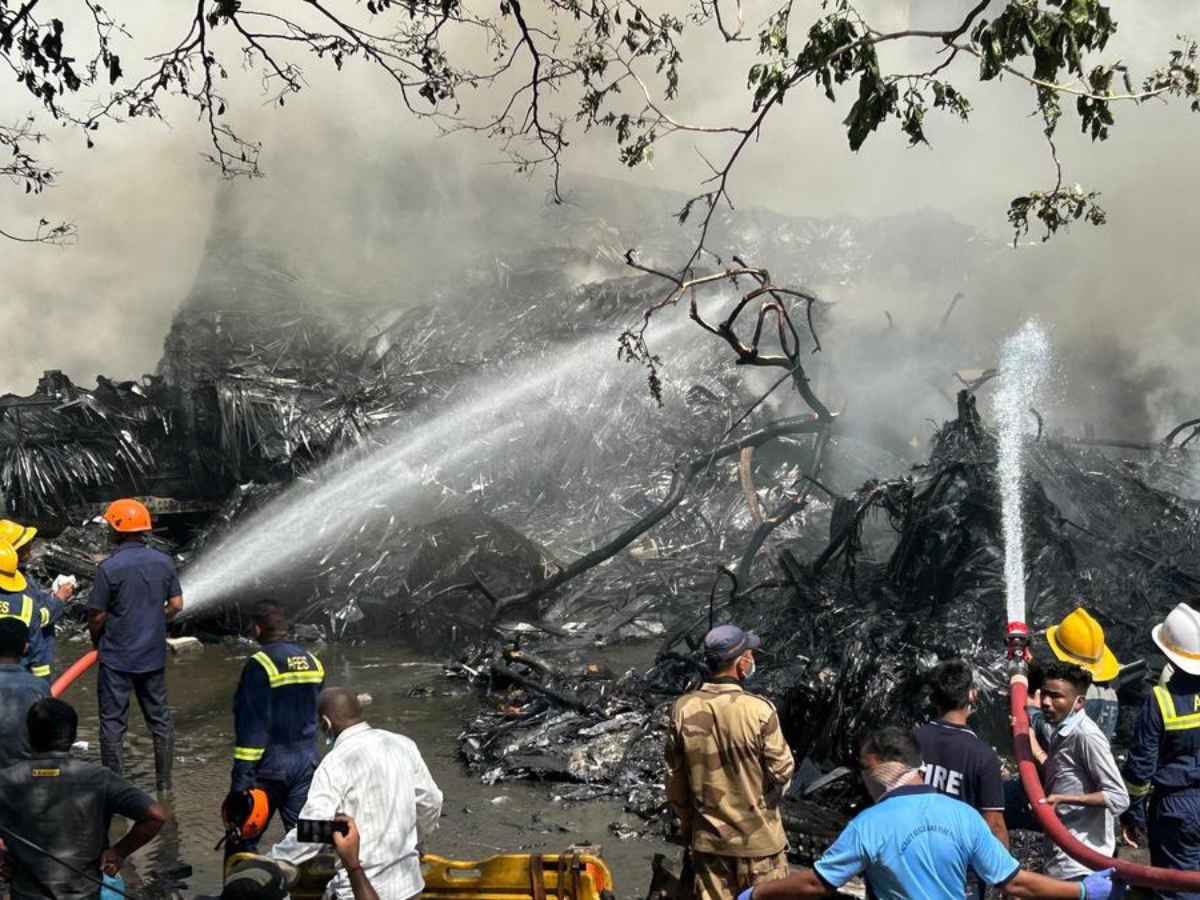


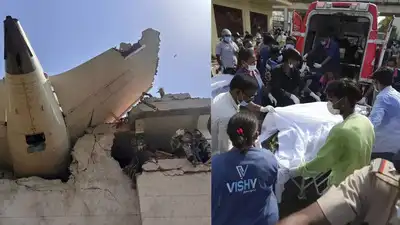
Ahmedabad, June 12, 2025: A London-bound Air India Boeing 787 Dreamliner (VT-ANB) crashed shortly after takeoff from Ahmedabad’s Sardar Vallabhbhai Patel International Airport, killing nearly all 242 passengers and crew on board, local authorities fear. The flight, AI171, was headed to Gatwick Airport, London, when it went down in the Meghaninagar residential area, triggering a massive blaze and widespread panic.
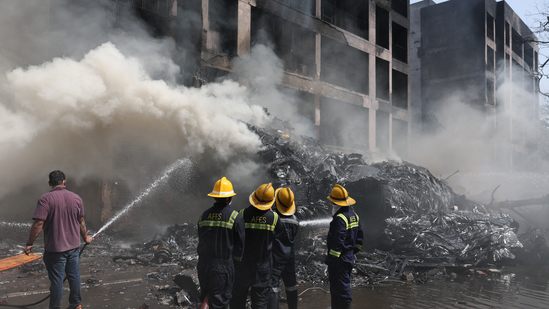
Authorities from the Directorate General of Civil Aviation (DGCA) have launched a probe into what is being termed India’s deadliest aviation disaster in years, and the first hull loss of a Boeing Dreamliner globally.
Pilots Sent Mayday Before Losing Contact
According to DGCA officials, Captain Sumeet Sabharwal, a veteran pilot with over 8,200 flight hours, and First Officer Clive Kundar, with 1,100 flight hours, were commanding the ill-fated aircraft.
DGCA confirmed that:
“On June 12, 2025, Air India B787 Aircraft VT-ANB, operating flight AI-171 from Ahmedabad to Gatwick, crashed immediately after takeoff. The aircraft had 2 pilots, 10 cabin crew, and 230 passengers.”
Moments after takeoff, the cockpit crew issued a “Mayday” distress signal to Air Traffic Control (ATC). However, the ATC received no further communication, as the aircraft lost signal shortly after reaching an altitude of 625 feet, based on Flightradar24 data.
Also read: How Did A 12-Year-Old Boeing 787 Crash Hours After Delhi Flight?
What Is a Mayday Call?
The Mayday call is a universal emergency distress signal used by aircraft and ships to signal imminent danger or system failure. The term must be repeated three times (“Mayday, Mayday, Mayday”) to clear the radio frequency and initiate emergency protocols.
- Origin: Coined in the 1920s by Frederick Stanley Mockford, a British radio officer
- Meaning: Derived from French term “m’aider” – meaning “help me”
- Replaces SOS: Mayday replaced the earlier Morse code “SOS” distress call

The Mayday call typically signals emergencies like engine failure, onboard fire, critical system loss, or structural failure. It prompts ATC to prioritize the flight, suspend other communications, and immediately coordinate rescue operations.
DGCA Investigation Underway
The DGCA has dispatched a crash investigation team to the site. The aircraft had recently arrived from New Delhi, was cleared for takeoff at 1:38 PM, and went down within minutes.
Investigators will focus on:
- Pilot-Cockpit recordings (CVR)
- Flight data from the black box (FDR)
- Air traffic communication logs
- Mechanical or structural failures
A top DGCA official said,
“We are working with local responders and Air India officials. The CVR and FDR will be critical in understanding what went wrong.”
Aviation Tragedy of Global Significance
This crash marks:
- India’s first major commercial airline crash since 2020 (Kozhikode Air India Express accident)
- First fatal crash involving Boeing 787 Dreamliner worldwide
- A potential blow to Air India’s ongoing transformation under Tata Group ownership
Ahmedabad airport remains closed until further notice. The crash zone, located inside a medical college campus, has made relief work more complex due to residential buildings and potential casualties on the ground.
Conclusion
With no official list of confirmed casualties yet released, and rescue teams still sifting through the wreckage, the full scale of this disaster will only emerge over time.
As India mourns, questions loom large over the cause of the crash and what more could have been done after the Mayday call. The nation awaits answers as authorities intensify their probe into what may become one of the most studied aviation disasters of the decade.