
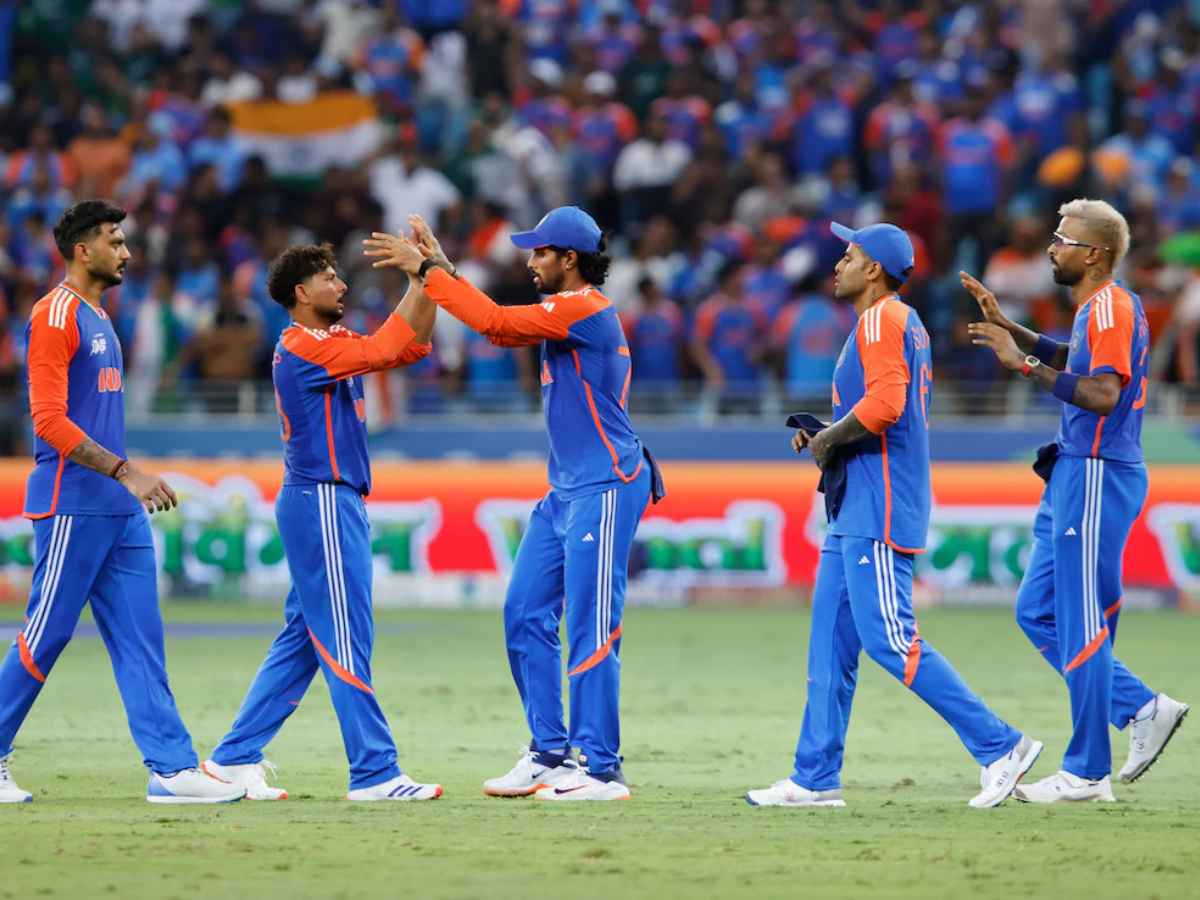


A senior BCCI official confirmed that the post-match handshake is a goodwill gesture, not a rule, and the Indian team was not bound to make it given the strained relations.
September 15, 2025: The Board of Control for Cricket in India (BCCI) agrees with the Indian cricket team’s decision not to shake hands with the Pakistani players after their Asia Cup encounter on Sunday. There has been a lot of controversy about the move, which was a direct response to the Pahalgam terror attack in April that murdered 26 people.
BCCI official who indicated that shaking hands is a “goodwill gesture,” but it is not a cricket rule. The official remarked, “The Indian cricket team doesn’t have to shake hands with an opponent they have a bad history with if there is no law.”
The BCCI and the team’s management deliberated about the decision before making it. The team, lead by head coach Gautam Gambhir, who has long been against having sports links with Pakistan as long as terrorism continues, unanimously agreed not to shake hands at any point during the match.
There was a lot of stress before the game even started since the team papers were provided directly to match referee Andy Pycroft, skipping the usual exchange between captains. After India won by seven wickets, captain Suryakumar Yadav and his teammates moved straight to the locker room, leaving the Pakistani players on the field.
Naved Cheema, who is in charge of Pakistan’s cricket team, has reportedly made a formal protest to the International Cricket Council (ICC) about what the Indian team did, stating it was “against the spirit of sportsmanship.” On the other side, a BCCI official indicated that the team’s choice was a premeditated and united display of sympathy for the victims of the Pahalgam incident and the armed forces.
Coach Gambhir and captain Suryakumar Yadav dedicated India’s success to the victims and the military personnel. This was a significant statement. A lot of people have talked about the move, but people in India think it’s an important role that goes beyond the conventional idea of “sportsmanship.”