
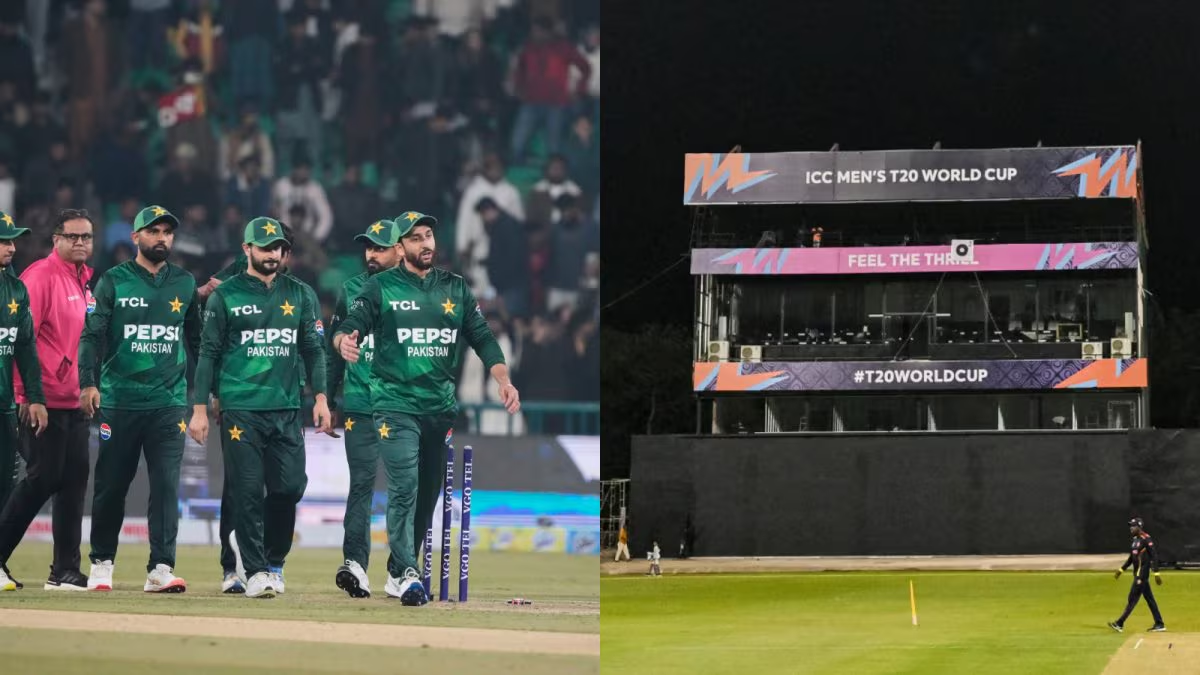


Pakistan’s refusal to play in Colombo sparks economic concerns ahead of ICC Men’s T20 World Cup
A fresh wave of uncertainty has emerged around the ICC Men’s T20 World Cup after Pakistan declined to play its scheduled match against India on February 15 in Colombo, raising fears of significant economic fallout for Sri Lanka.
While the sporting consequences of a potential boycott are substantial, the immediate impact is expected to be economic, particularly for Colombo. An India–Pakistan clash is widely regarded as the biggest draw in global cricket tournaments, attracting large numbers of travelling fans, media personnel, sponsors and corporate guests.
Hotels in the Sri Lankan capital had reportedly recorded high occupancy levels due to advance bookings for the marquee encounter. With the match now in doubt, industry insiders warn of a surge in cancellations. Airlines, tour operators and local businesses that geared up for the influx of visitors may also face losses if the fixture does not go ahead.
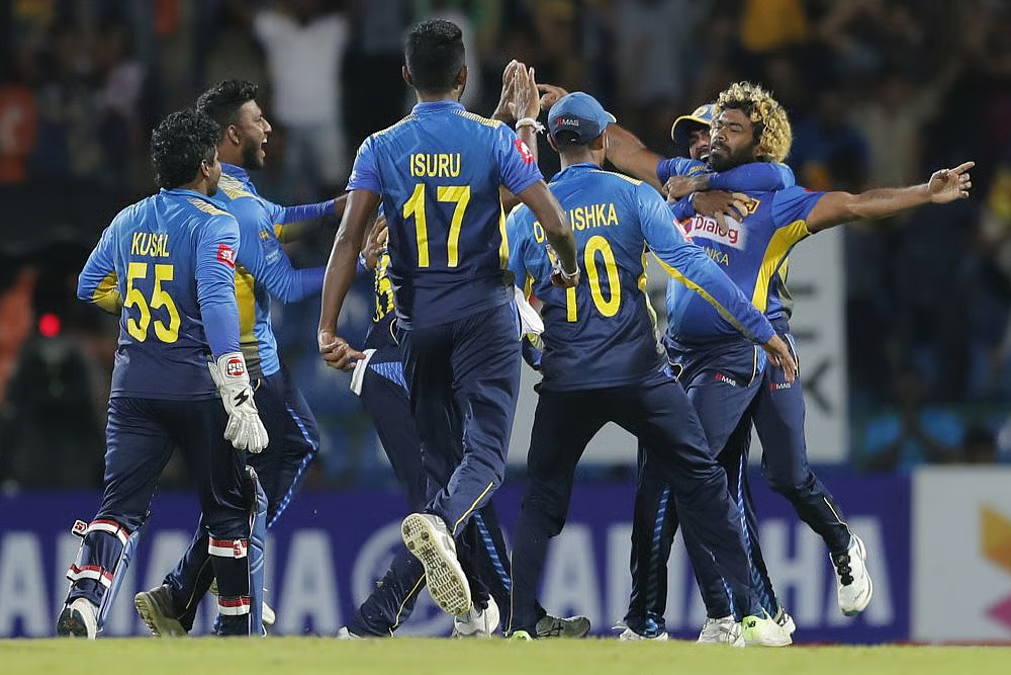
Tourism, a crucial pillar of Sri Lanka’s recovering economy, could take a noticeable hit should the uncertainty continue. Observers say the situation highlights how high-profile sporting events play a vital role in driving short-term economic activity for host nations.
Sources indicate that Sri Lanka Cricket (SLC) is closely monitoring developments and may formally raise the issue with the International Cricket Council (ICC). Officials are believed to be assessing both the financial implications and logistical challenges that could arise from a potential schedule change or walkover.
As discussions continue behind the scenes, the episode underscores how geopolitical and administrative decisions in international sport can have consequences far beyond the field, particularly for host countries relying on major tournaments to boost tourism and economic confidence.