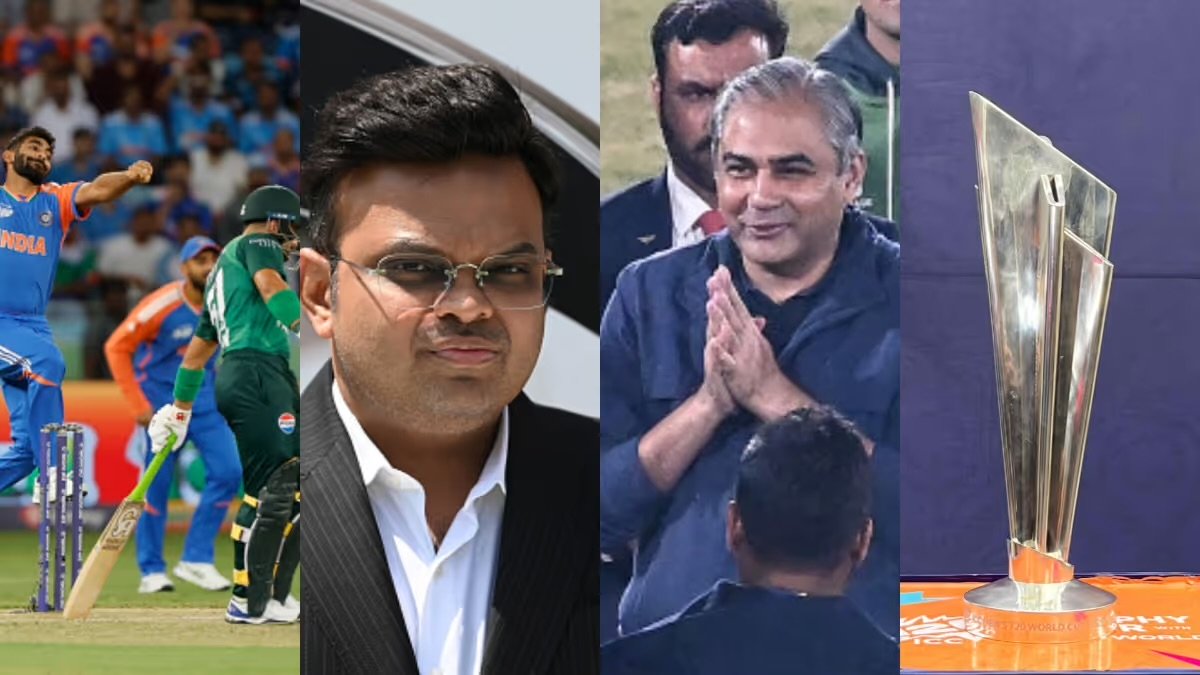
The much-anticipated India vs Pakistan Group A match in the Men’s T20 World Cup 2026 is back on schedule after nearly ten days of uncertainty, following intense negotiations between the International Cricket Council (ICC), the Pakistan Cricket Board (PCB) and the Bangladesh Cricket Board (BCB).
The standoff began when the Pakistan government announced a boycott of the fixture, creating fears of major financial and sporting repercussions for the tournament. However, Pakistan later reversed its position and cleared captain Salman Ali Agha and the national team to play India on February 15 at Colombo’s R Premadasa Stadium.
Emergency talks in Lahore
To defuse the crisis, the ICC dispatched a two-member delegation — Deputy Chairman Imran Khwaja and Associate Members’ representative Mubashir Usmani — to Lahore. They met PCB chief Mohsin Naqvi and BCB president Aminul Islam at the Gaddafi Stadium for discussions lasting nearly three hours.
Sources familiar with the developments said Usmani played a decisive role in bridging differences between the boards and finding a mutually acceptable formula.
According to insiders, he stepped in immediately after Pakistan’s boycott announcement and remained closely involved throughout the negotiations, working to protect both the tournament and the long-term interests of ICC member nations.
Back-channel negotiations
Although initial discussions appeared to conclude earlier, a last-minute deadlock surfaced over certain elements of the ICC’s proposed solution. Back-channel talks reportedly continued for another day before a final compromise was reached.
The resolution also came after the ICC confirmed that Bangladesh would not face sanctions despite missing the tournament and refusing to travel to India — a key concern in the broader dispute.
Economic stakes and future events
Officials were worried that cancellation of the India-Pakistan match — the most commercially valuable fixture in world cricket — could have caused enormous financial losses and jeopardised future ICC event planning and revenue distribution among member boards.
The intervention ultimately secured consensus among the ICC, PCB and BCB, allowing the tournament schedule to proceed and averting what insiders described as a “major crisis” for international cricket governance.
In a testament to the enduring "Federer Fever," tickets for Roger Federer’s induction into the…
Notice in Lok Sabha seeks suspension over remarks on trade pact, minister February 12, 2026:…
UNSC monitoring team validates disclosures on Jaish-e-Mohammed’s activities February 12, 2026: The United Nations Security…
Finance Minister set to counter Opposition’s charges amid heated debate February 12, 2026: Finance Minister…
Accident inside 18-storey Byculla building sparks panic; probe ordered February 12, 2026: Five people were…
Italian media claims fuel switches were deliberately turned off; official confirmation awaited February 12, 2026:…