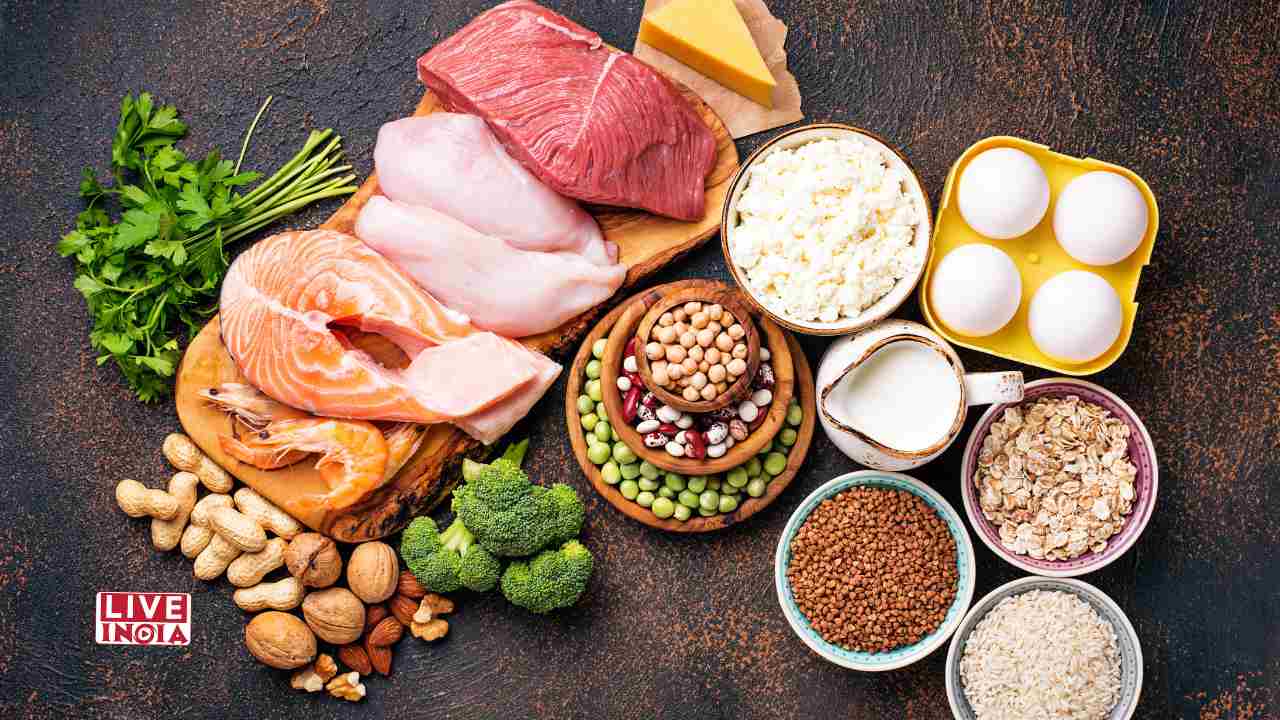
10 Protein-Rich Foods You Should Include in Your Diet — Benefits, Intake Guidelines & Who Should Avoid Excess
Protein is one of the three macronutrients your body needs in large amounts, along with carbohydrates and fats. It is often called the “building block of life” because of its vital role in cell structure, muscle development, tissue repair, enzyme and hormone production, and immune function. Unlike carbohydrates and fats, the body doesn’t store protein, so regular dietary intake is crucial.
Protein is particularly important for:
But like all nutrients, balance is key. The amount of protein a person needs varies with age, activity level, and health conditions.
According to global nutritional guidelines (including those from the Indian Council of Medical Research and WHO), here’s the average daily protein requirement by age and gender:
Athletes, bodybuilders, and people recovering from illness or surgery may require higher protein intake (up to 1.6–2.2 g/kg).
While protein is vital, excessive intake—especially from supplements or red meats—can be harmful in certain conditions:
Always consult a healthcare professional before adopting high-protein diets if you fall into these categories.
Eggs are a complete source of protein, containing all nine essential amino acids. One large egg offers around 6 grams of high-quality protein.
A staple in fitness diets, chicken breast is lean and protein-dense. A 100-gram serving provides around 26–30 grams of protein.
Lentils are among the best plant-based protein sources. One cup of cooked lentils contains about 18 grams of protein, along with fiber and iron.
Tofu (soy-based) and paneer (cottage cheese) are rich in protein. A 100-gram serving of paneer offers 18 grams, while tofu gives 10 grams.
Fish offers both protein and heart-healthy omega-3 fatty acids. 100 grams of cooked salmon gives around 22–25 grams of protein.
Thicker and creamier than regular yogurt, Greek yogurt offers about 10 grams of protein per 100 grams, nearly double that of regular varieties.
Almonds contain about 6 grams of protein per 28 grams (1 ounce). They are also loaded with vitamin E, magnesium, and fiber.
Quinoa is a rare plant-based complete protein with all nine essential amino acids. One cooked cup delivers about 8 grams of protein.
One cup of cow’s milk provides around 8 grams of protein, plus calcium and vitamin D.
Chickpeas offer about 15 grams of protein per cooked cup, making them a plant-based favorite.
Protein is undeniably essential—but it must be consumed in the right amounts and from varied sources. Whether you’re a growing child, a working professional, or an elderly adult, understanding your body’s protein needs and meeting them through a diverse diet can significantly impact your health and vitality.
Remember, too little protein may lead to fatigue, muscle wasting, and weakened immunity, while too much—especially from poor-quality sources—may overburden organs or create nutritional imbalance.
Talk to a registered dietitian to personalize your intake—and enjoy a vibrant, protein-powered life.
Indirect Muscat negotiations face agenda dispute as US urges citizens to leave Iran February 6,…
Production house rejects claims linking Delhi missing girls rumours to film publicity February 6, 2026:…
‘Tere Sang’ teaser goes viral ahead of Valentine’s Week release February 6, 2026: Singer Arijit…
Former Bigg Boss 9 contestant and singer Suyyash Rai has sparked a social media firestorm…
Congress MLC says Siddaramaiah will remain CM for full five-year term February 6, 2026: Congress…
In a major legal blow, Bollywood actor Rajpal Yadav surrendered to the Tihar Jail authorities…