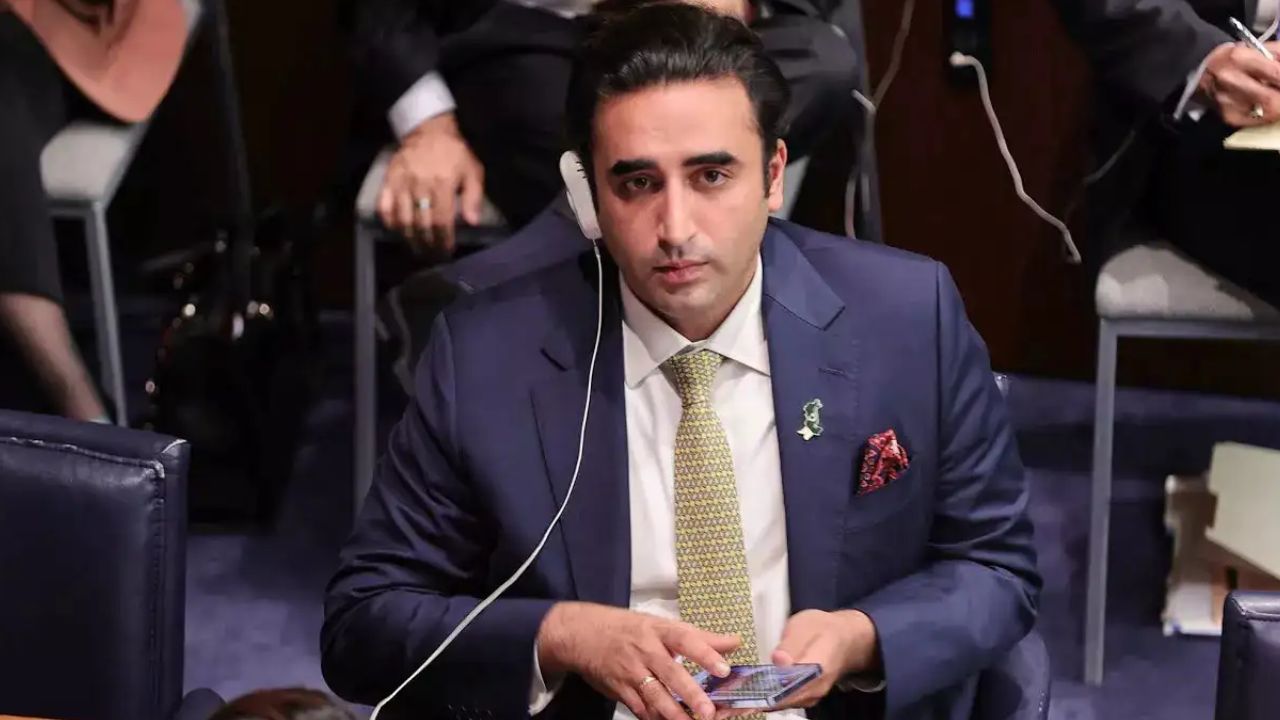
Bilawal Bhutto Shifts Tone, Urges Peace with India Amid Escalating Tensions Over Pahalgam Attack
May 6, 2025: After weeks of aggressive rhetoric, Pakistan People’s Party (PPP) chairman Bilawal Bhutto-Zardari has signaled a shift in tone by extending an olive branch to India. Speaking in Pakistan’s National Assembly on Tuesday, Bhutto-Zardari emphasized dialogue over hostility, declaring that Pakistan is committed to “freedom, not conflict.”
“If India wishes to walk the path of peace, let them come with open hands and not clenched fists,” Bhutto-Zardari stated. “Let them come with facts, not fabrication. Let us sit as neighbours and speak the truth.”
While reaffirming Pakistan’s resolve to defend its sovereignty, he asserted, “The people of Pakistan are not made to kneel… We fight not because we love conflict, but because we love freedom.”
His conciliatory message follows a fiery speech made just days earlier at a public rally in Sukkur, where he warned of a strong response to Indian Prime Minister Narendra Modi’s decision to suspend the Indus Waters Treaty. The canal-related dispute had reignited tensions between the two nations, particularly after India’s announcement to halt the historic 1960 treaty following the devastating April 22 terror attack in Jammu and Kashmir’s Pahalgam, which left 25 Indian and one Nepali national dead.
In response to the attack, India took a series of stern diplomatic measures. These included shutting down the Integrated Check Post (ICP) at Attari, suspending the SAARC Visa Exemption Scheme for Pakistani nationals, and scaling back diplomatic staffing in both countries’ high commissions. The Indian government also demanded the return of Pakistani nationals within 40 hours.
As Pakistan tried to mount a diplomatic counteroffensive, seeking support at the United Nations Security Council (UNSC), it faced skepticism instead. During an informal closed-door session requested by Pakistan, several UNSC members raised pointed questions about the involvement of Pakistan-based terror group Lashkar-e-Taiba—long designated a proscribed organization globally.
According to sources, the Security Council members largely rejected Pakistan’s attempts to push a “false flag” narrative and instead condemned the targeting of civilians, including tourists, based on religious identity. The session reportedly emphasized accountability for the Pahalgam attack and recognized the broader implications for regional peace and stability.
With tensions at their peak and diplomatic bridges strained, Bilawal Bhutto-Zardari’s appeal for dialogue stands in sharp contrast to his earlier confrontational posture. Whether this shift signals a broader recalibration in Pakistan’s approach to India remains to be seen.
Badshah, Nora Fatehi to headline star-studded show ahead of India vs USA clash in Mumbai…
Effigies burnt, ban demands grow as filmmakers face FIR over alleged offence to Brahmin community…
Briefly shared clip depicting Obamas sparks bipartisan outrage, scrutiny of Trump’s social media use February…
Indirect Muscat negotiations face agenda dispute as US urges citizens to leave Iran February 6,…
Production house rejects claims linking Delhi missing girls rumours to film publicity February 6, 2026:…
‘Tere Sang’ teaser goes viral ahead of Valentine’s Week release February 6, 2026: Singer Arijit…