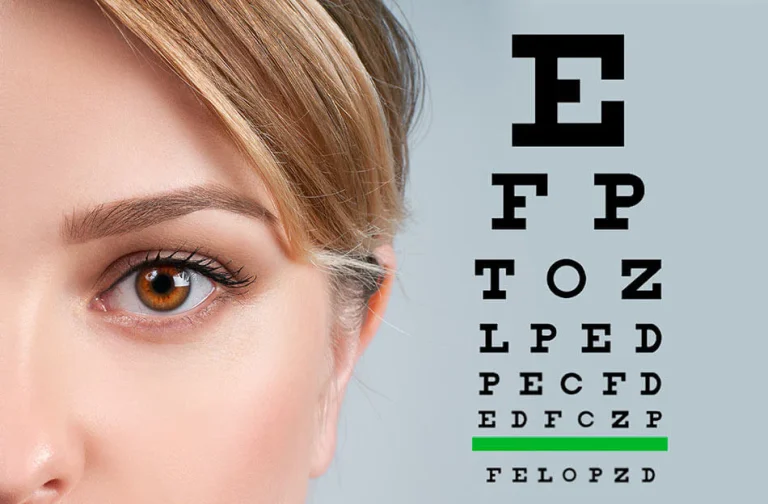
While many people hope that rolling their eyes or shifting focus can replace a pair of glasses, the reality is more nuanced. According to Dr. Ashwin Santosh Shetty, an Ophthalmology Consultant at Aster CMI Hospital, while eye exercises are a powerful tool for comfort, they aren’t a “cure-all” for structural vision issues.
The Reality Check: What Exercises Can and Can’t Do
It is essential to distinguish between eye strain and refractive errors. Here is how the science breaks down:
- The Myth: Eye exercises can correct near-sightedness (myopia), far-sightedness (hyperopia), or astigmatism. These conditions are caused by the physical shape of your eye or lens, which exercises cannot reshape.
- The Fact: Exercises are highly effective for Computer Vision Syndrome (CVS). Affecting nearly half of all digital device users, CVS causes dryness, headaches, and blurred vision. Targeted movements help relax the ocular muscles and restore moisture.
Proven Techniques for Eye Health
If you spend your day behind a screen, experts recommend these specific habits to maintain eye health:
- The 20-20-20 Rule: Every 20 minutes, look at something 20 feet away for at least 20 seconds. This simple habit allows the focusing muscle inside the eye to relax.
- Mindful Blinking: Digital use often reduces our blink rate, leading to dry eyes. Consciously increasing your blink frequency keeps the surface of the eye lubricated.
- Vision Therapy: For specific conditions like convergence insufficiency—where the eyes struggle to work together on close-up tasks—medically supervised eye therapy can significantly improve coordination and reduce symptoms.
Expert Verdict: “While eye exercises are not entirely a myth, their benefits are limited. They can help improve comfort and reduce strain, but they cannot replace medical treatments for vision correction.”
Beyond the Exercises: A Holistic Approach
Maintaining 20/20 health requires more than just movement. Experts emphasize a combination of:
- Proper Lighting: Avoid glare and ensure your workspace is well-lit.
- Nutrition: A diet rich in essential vitamins supports long-term retinal health.
- Regular Check-ups: Standard eye exams remain the only way to accurately diagnose and treat refractive errors or underlying pathologies.