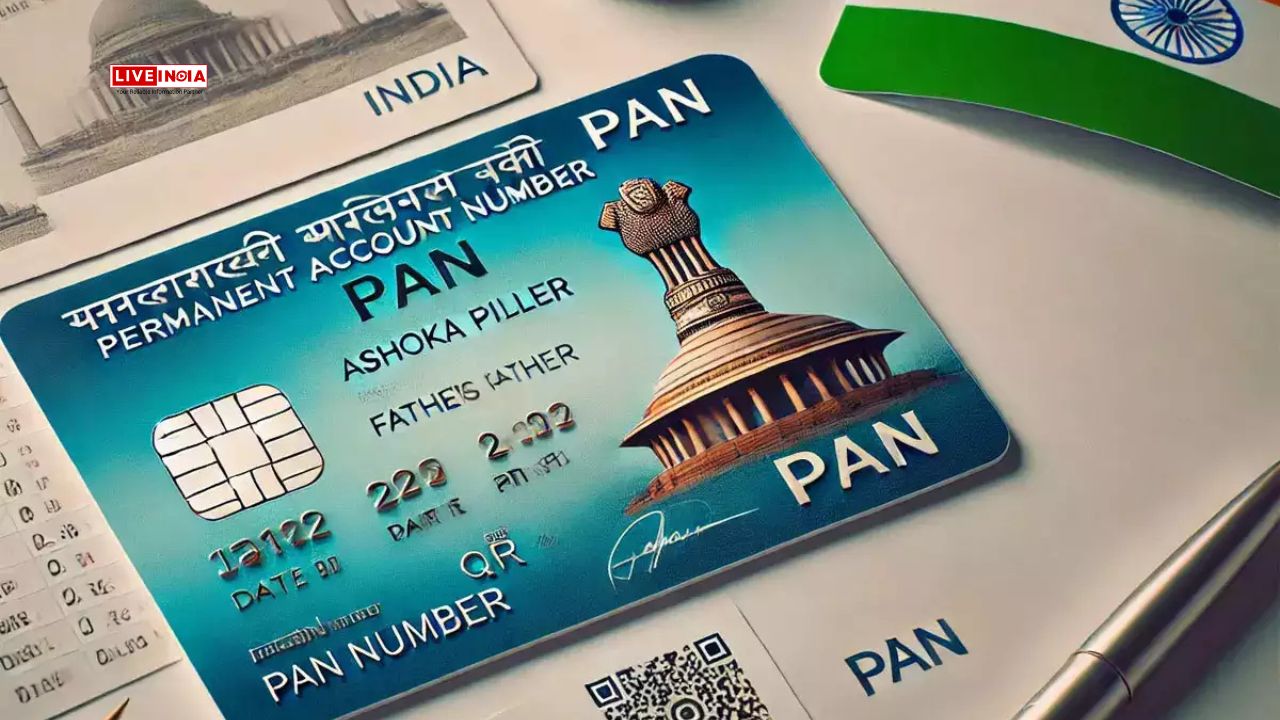
ChatGPT Sparks Alarm as Users Generate Fake Aadhaar & PAN Cards Using AI: Is Cybercrime Entering a New Era?
April 4, 2025: In a chilling development for digital security, OpenAI’s ChatGPT—specifically the GPT-4 model—has reportedly been used by some users to generate highly realistic fake Aadhaar and PAN cards, sparking serious concerns about cybercrime, data misuse, and the need for AI regulation.
Social media is abuzz with screenshots and claims that ChatGPT can now replicate the layout and structure of Indian government-issued ID cards with alarming accuracy. Though the AI doesn’t use real personal data, it can generate fake yet convincing names, dates of birth, and addresses to simulate authentic IDs.
Also Read: Man Credits ChatGPT for Diagnosing Life-Threatening Illness, Claims It Saved His Life
One user on X (formerly Twitter), Yaswanth Sai Palaghat, posted:
“ChatGPT is generating fake Aadhaar and PAN cards instantly, which is a serious security risk. This is why AI should be regulated to a certain extent.”
Another user, Piku, claimed:
“I asked AI to generate an Aadhaar card with just a name, DOB, and address… and it created a near-perfect replica.”
The AI-generated documents lack some official security markers like QR codes, microtext, or holograms, but are still visually close enough to be misused for identity fraud or illegal KYC procedures.
While OpenAI has stated that its models were not trained on proprietary or confidential government data, the AI has likely learned formatting from publicly available templates, leaks, or scraped datasets. This raises a new question:
Also Read: Sam Altman, CEO of ChatGPT-maker OpenAI ousted by company board
Who is selling or leaking such sensitive formats and datasets?
This concern echoes deeper fears about training data transparency and how much real-world structure AI models can infer from the open internet.
Experts warn this is just the tip of the iceberg. With the capability to create fake IDs, deepfakes, and synthetic text, AI is poised to become a powerful tool in the hands of cybercriminals. Potential consequences include:
Even more alarming is that these capabilities are accessible to anyone with an internet connection and clever prompting skills.
Cybersecurity and AI experts are calling for:
India’s IT Ministry is reportedly looking into these developments and may tighten guidelines under the Digital Personal Data Protection Act (DPDP) and Information Technology Rules.
As AI continues to evolve, so must our policies and awareness. While tools like ChatGPT are designed to assist and innovate, their misuse is a reminder that technology is only as responsible as the people using it—and the safeguards behind it.
🏷️ Tags:
ChatGPT, GPT-4, Aadhaar, PAN card, AI misuse, cybercrime, AI regulation, OpenAI, fake documents, data privacy, India cybersecurity, fraud, digital identity theft
In a deeply moving interview on the On Purpose podcast on February 5, 2026, singer…
On February 5, 2026, Prime Minister Narendra Modi addressed the Rajya Sabha to reply to…
In a shocking development for fans of the newly launched reality show The 50, veteran…
In a viral Instagram video shared on February 4, 2026, comedian Samay Raina delivered a…
New details have emerged in the investigation of the firing incident outside filmmaker Rohit Shetty’s…
Singer Talwiinder, the enigmatic masked voice behind hits like Khayaal, has finally addressed the whirlwind…