

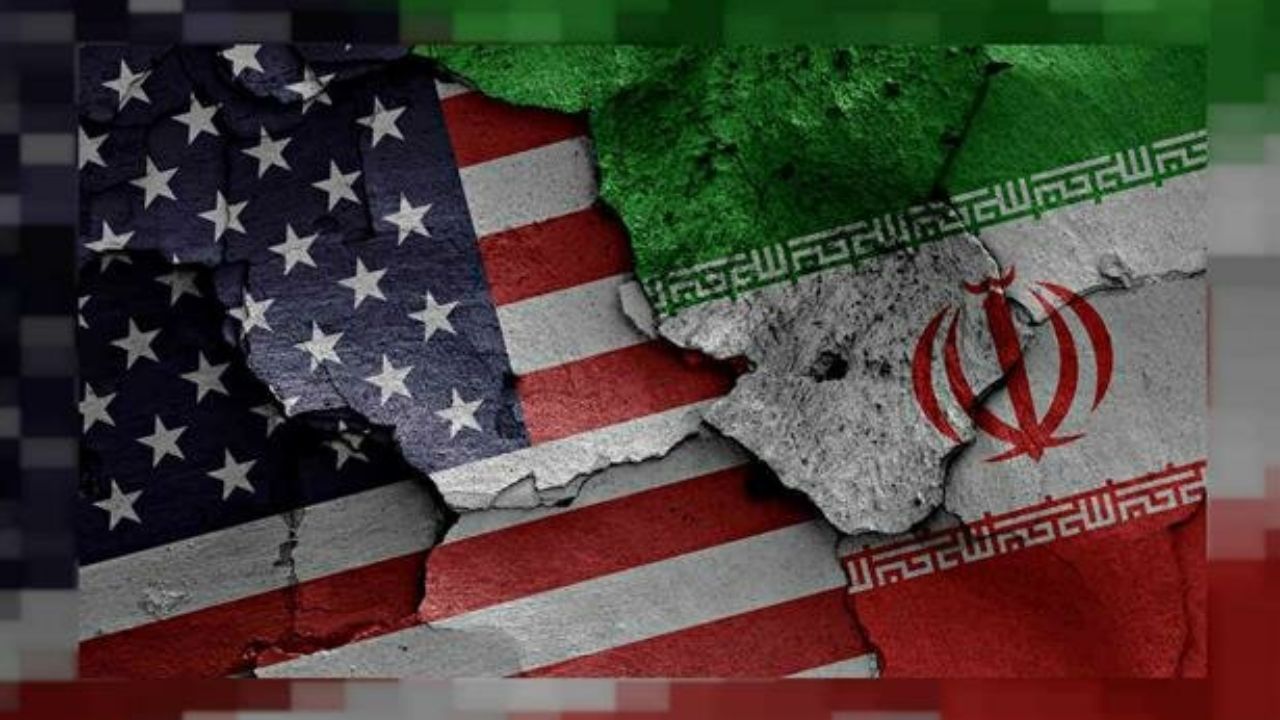


Advanced weapons, global players, and rising tensions reshape the conflict
March 31, 2026: The Middle East conflict has entered its 32nd day, marking a sharp escalation as direct confrontations between the United States and Iran intensify. The U.S. Central Command has released footage of targeted strikes on Iranian military infrastructure, claiming the destruction of drone launchers, radar systems, and missile sites aimed at limiting Tehran’s regional capabilities. This shift reflects a move away from indirect engagements toward a more direct and high-risk military confrontation.
Amid the escalating conflict, a significant geopolitical development has emerged as the US approved a potential $142 billion deal to supply Saudi Arabia with advanced F-35 stealth fighter jets. The move has sparked concern in Israel over the potential shift in regional power dynamics. At the same time, the conflict is witnessing a global technological crossover, with the United Arab Emirates reportedly using a low-cost Ukrainian interceptor to shoot down an Iranian Shahed drone, underlining the international footprint of modern warfare.
Meanwhile, Iran has continued its offensive against Israel, releasing footage of heavy bombardment in the city of Beer Sheva. The ongoing exchange of strikes highlights a dangerous transition from proxy conflicts to a direct “tit-for-tat” war involving some of the world’s most advanced military systems. With multiple nations now indirectly or directly involved, the situation poses serious risks to regional stability and global security.