

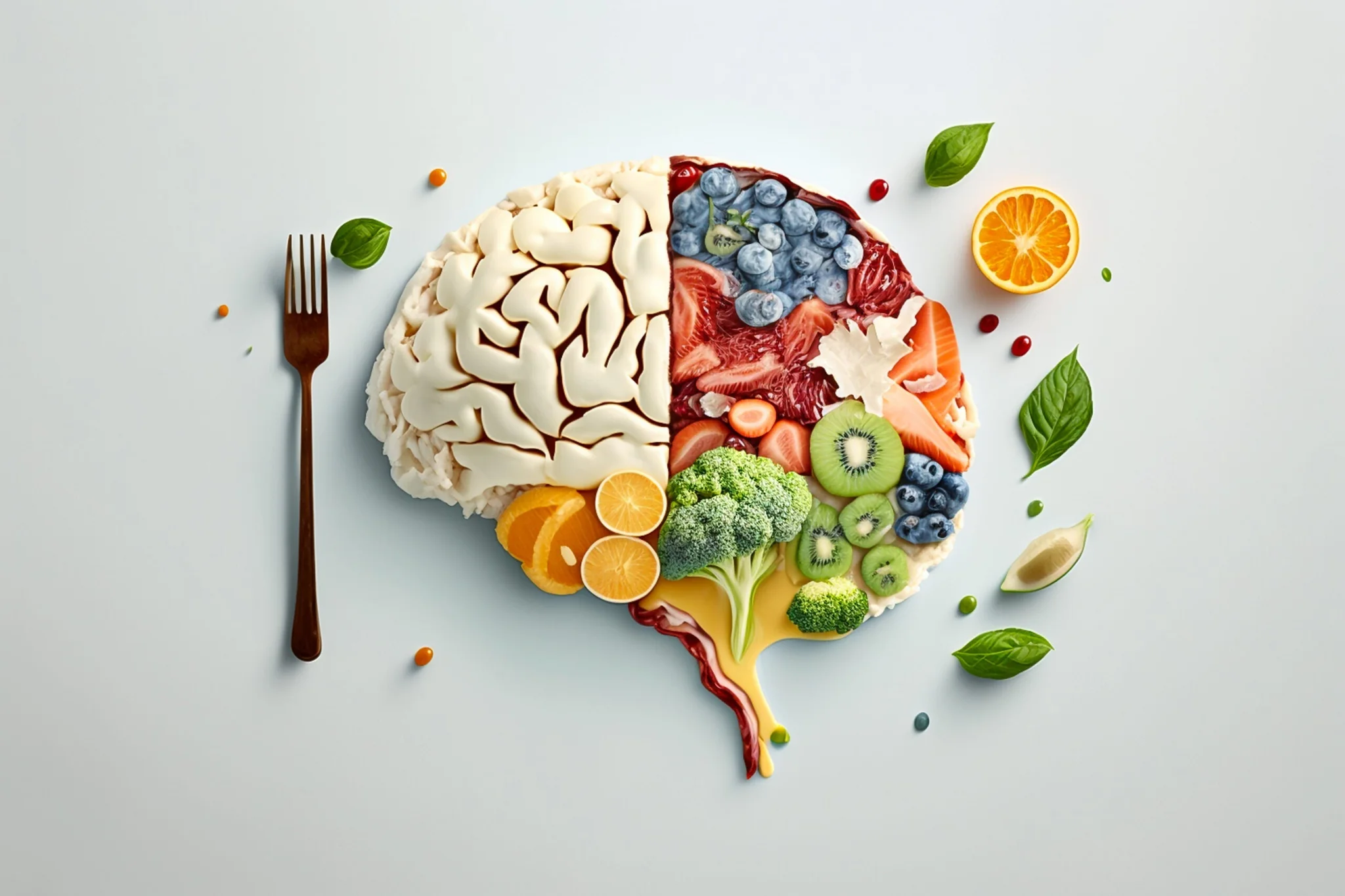


For years, fibre has been seen as a key component of a healthy diet, mainly linked to digestion, weight control, and heart health. However, emerging research is now uncovering a deeper role for this essential nutrient — its impact on brain health.
A growing body of evidence suggests that what you eat doesn’t just affect your gut but may also influence how your brain functions. From improving memory to lowering the risk of dementia, fibre appears to play a crucial role in supporting cognitive health.
What Research Says About Fibre And The Brain
A study published in the journal Nutritional Neuroscience, which analysed over 3,700 adults, found that individuals with higher fibre intake had a significantly lower risk of developing dementia. In contrast, those with lower fibre consumption were more vulnerable.
Another study focusing on adults over 60 revealed that people who consumed more dietary fibre showed better cognitive performance, including improved memory and attention span.
While researchers are still exploring the full extent of this relationship, the findings strongly point towards a meaningful link between fibre intake and brain health.
Understanding The Gut-Brain Connection
At the heart of this connection lies the gut-brain axis — a two-way communication system linking the digestive system and the brain.
The human gut is home to trillions of bacteria, collectively known as the gut microbiome. These microbes are essential not just for digestion and immunity but also for mental and cognitive health.
When you consume fibre-rich foods, these gut bacteria ferment the fibre and produce compounds called short-chain fatty acids (SCFAs), including butyrate. These compounds:
- Help reduce inflammation
- Support brain function
- Influence mood and cognition
In simple terms, a healthy gut can contribute to a healthier brain.
Key Benefits Of Fibre For Brain Health
1. Reduces Inflammation
Chronic inflammation is linked to several neurological conditions. Fibre supports beneficial gut bacteria, which in turn helps lower inflammation levels in the body.
2. Supports Neurotransmitter Production
Gut bacteria play a role in producing neurotransmitters like serotonin — often referred to as the “feel-good” chemical — which influences mood and emotional well-being.
3. Stabilises Blood Sugar Levels
Fibre slows digestion and prevents sudden spikes in blood sugar, helping maintain consistent energy levels and better focus.
What Studies Found
Research indicates that higher fibre intake is associated with:
- Better memory retention
- Improved focus and attention
- Reduced risk of cognitive decline
Some studies also suggest that fibre may lower the risk of neurodegenerative conditions like Alzheimer’s disease, although more research is needed to confirm this.
How Much Fibre Do You Need?
The World Health Organization recommends consuming at least 400 grams of fruits and vegetables daily for individuals aged 10 and above. For children, the recommended intake is lower:
- Ages 2–5: Around 250 grams per day
- Ages 6–9: Around 350 grams per day
Despite these guidelines, many people fall short, especially with diets high in processed foods.
How To Increase Fibre Intake Safely
If your diet is low in fibre, it’s important to increase intake gradually. A sudden jump can lead to:
- Bloating
- Gas
- Digestive discomfort
To avoid this:
- Add fibre-rich foods slowly
- Drink plenty of water
- Maintain a balanced diet
Common fibre-rich foods include fruits, vegetables, whole grains, legumes, nuts, and seeds — many of which are staples in everyday Indian meals.
Beyond Brain Health: Additional Benefits
Fibre continues to offer a wide range of health benefits, including:
- Improved digestion and relief from constipation
- Better weight management by promoting fullness
- Lower cholesterol levels
- Reduced risk of Type 2 diabetes
The Bigger Picture
While fibre has long been recognised as essential for gut health, its role in brain function is now gaining attention. By nourishing the gut microbiome, fibre may contribute to better memory, improved focus, and overall cognitive well-being.
Though it is not a cure-all, incorporating more fibre into your daily diet is a simple and effective step toward better health — for both your body and your brain.
Disclaimer: This article provides general information and is not a substitute for professional medical advice.