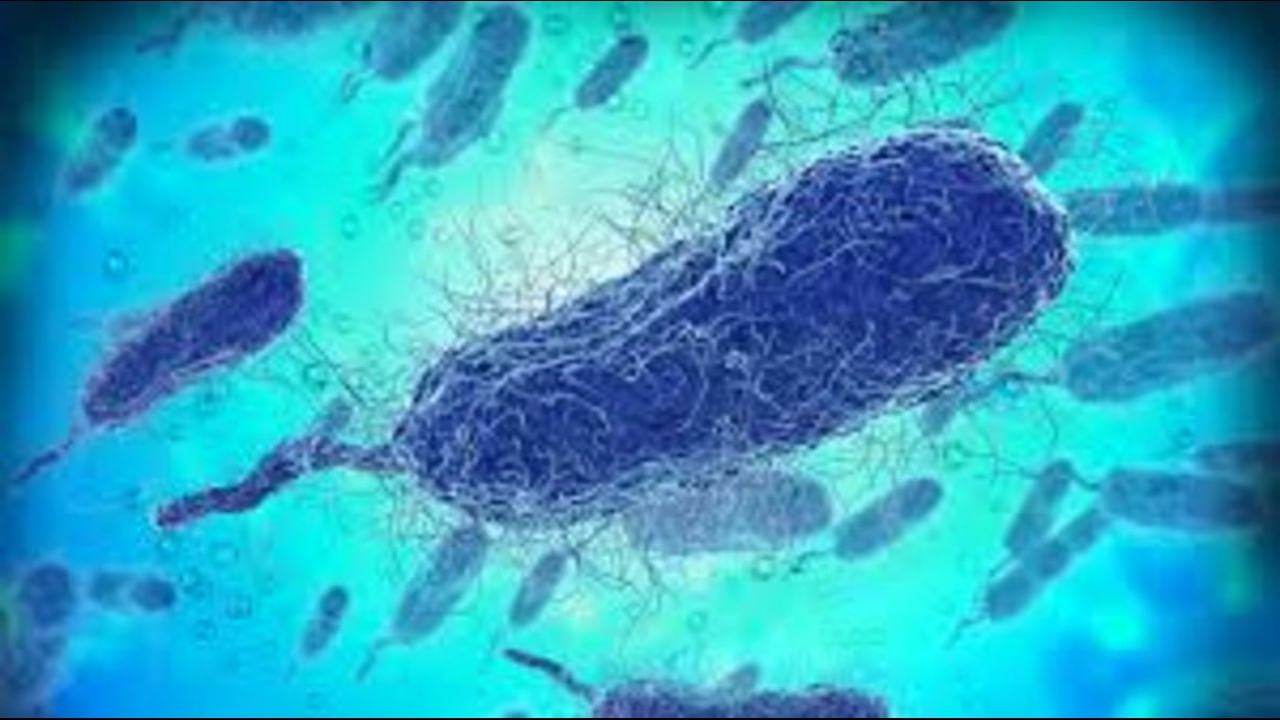
Flesh-Eating Bacteria Surge In Florida: Climate Change Behind Deadly Spike?"
July 18, 2025: Florida has reported four deaths and 11 confirmed cases of Vibrio vulnificus, a rare but deadly flesh-eating bacterium, so far in 2025. Health officials have issued warnings as infections surface in Bay, Broward, Hillsborough, and St. Johns counties.
The bacterium thrives in warm, brackish seawater and can enter the body through open wounds or by consuming raw shellfish, particularly oysters. While healthy individuals often recover with mild symptoms like vomiting or diarrhea, Vibrio vulnificus can cause severe illness or death in vulnerable populations, especially when it enters the bloodstream.
Dr. Daniel Egan of Orlando Health emphasized the threat, stating:
“There’s a lot of bacteria in water, and Vibrio vulnificus especially likes salt water.”
The Centers for Disease Control and Prevention (CDC) notes that one in five infected people die, often within 48 hours. Infections that reach the bloodstream are fatal nearly 50% of the time.
Florida’s Department of Health urges immediate medical attention for symptoms and recommends avoiding raw shellfish and protecting open wounds from water exposure.
Increased cases are closely tied to climate change. Warmer sea temperatures and more frequent hurricanes and storm surges create ideal conditions for the bacteria to spread inland. In 2024, Florida saw record infections—82 cases and 19 deaths—following storms like Hurricanes Milton and Helene.
Dr. Kami Kim of Tampa General Hospital warned that storm surges often contaminate freshwater systems, increasing the danger. Climate models predict that the economic burden of saltwater-dependent infections like Vibrio vulnificus will jump from $2.6 billion in 1995 to over $6.1 billion by 2090.
A 2023 study by Florida Atlantic University adds to the concern: Vibrio bacteria are increasingly found on microplastics and mixing with toxic sargassum blooms—both of which are becoming more prevalent.
Experts warn that while awareness can reduce individual risk, climate-fueled flooding and warming seas will likely keep this threat growing for years to come.
Actor pens heartfelt gratitude note following interim relief in cheque-bounce case February 19, 2026: Actor…
SP MLAs clash with Minister Sanjay Nishad amid sloganeering and scuffle in House February 19,…
New criminal law in Afghanistan classifies society by status, shields clerics and permits ‘discipline’ of…
Jim Arrington isn’t just staying active — he’s rewriting expectations around ageing. The California-based great-grandfather…
Global system outage slows check-ins at Delhi airport amid AI Summit rush February 19, 2026:…
After spending several weeks in jail, filmmaker Vikram Bhatt and his wife Shwetambari Bhatt have…