
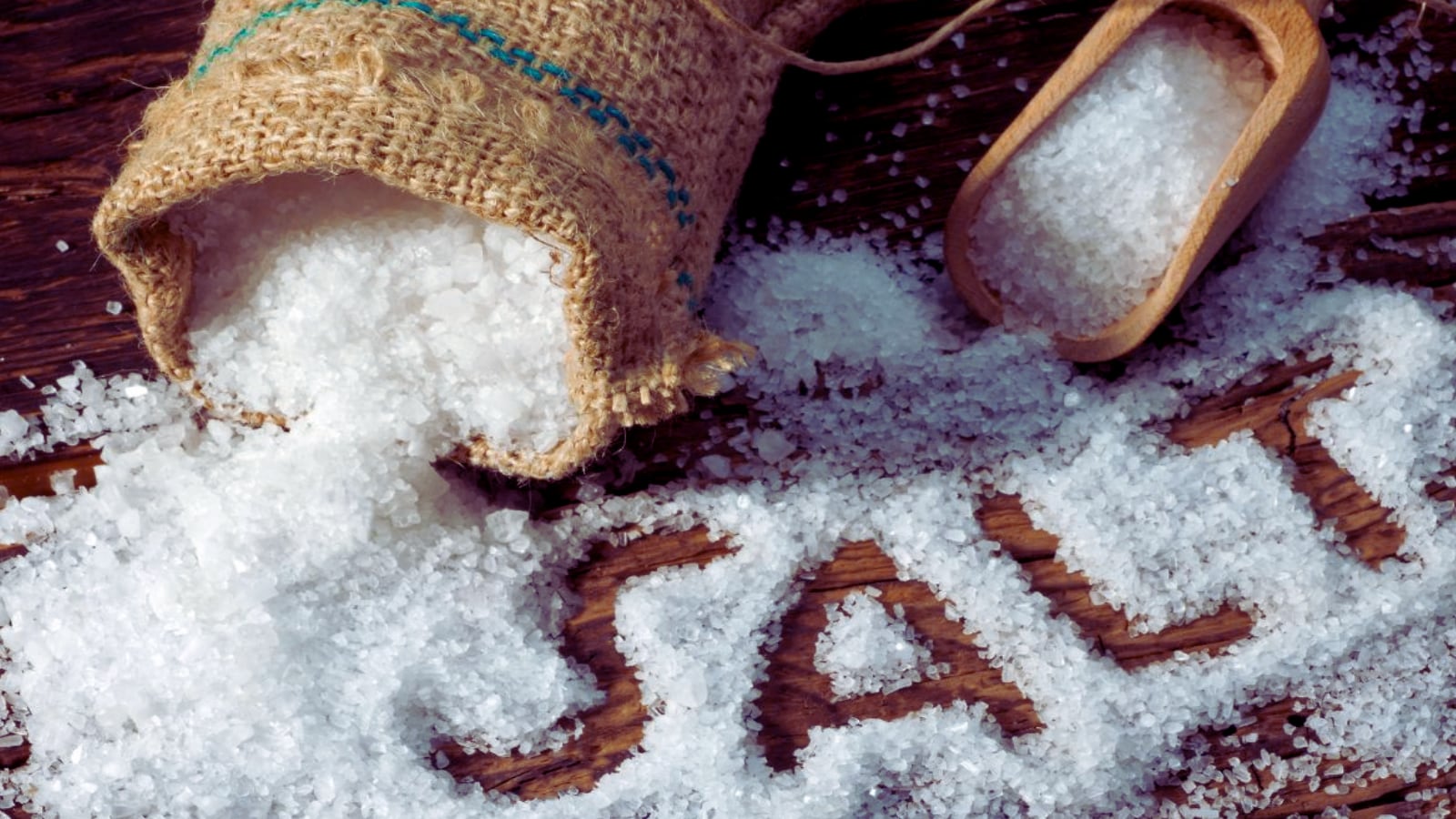


Most people believe the salt shaker on the dining table is the main source of sodium in their diet. Surprisingly, health experts say that over 70% of dietary sodium actually comes from packaged and restaurant foods — many of which don’t even taste noticeably salty.
This hidden sodium intake can quietly increase the risk of high blood pressure, heart disease, and kidney problems over time. Understanding which foods contain hidden sodium can help you make smarter choices without completely overhauling your diet.
Here’s a look at some everyday foods that may be secretly increasing your sodium intake.
Common Foods That Secretly Increase Sodium Intake
1. Packaged Bread and Buns
Bread may not taste salty, but it is one of the largest contributors to sodium intake because it is consumed so frequently.
Even a single slice can contain a moderate amount of sodium, and when eaten multiple times a day — in sandwiches, toast, or burgers — the total sodium intake adds up quickly.
Why it’s high in sodium:
Salt is added to improve texture, flavour, and shelf life.
2. Breakfast Cereals
Many breakfast cereals, especially processed or flavoured varieties, contain hidden sodium.
While cereals are often marketed as healthy, some packaged versions contain surprising amounts of salt alongside added sugar.
Tip:
Check nutrition labels and choose low-sodium or whole-grain varieties.
3. Processed Cheese
Processed cheese slices, spreads, and cubes often contain high levels of sodium.
They may taste creamy rather than salty, which makes it easy to overlook their sodium content.
Why it’s high in sodium:
Salt helps preserve processed cheese and enhances flavour.
4. Instant Noodles and Ready-To-Eat Meals
Instant noodles, frozen meals, and ready-to-eat dishes are among the biggest sources of sodium.
These foods rely heavily on salt for flavour and preservation.
Hidden risk:
Even the seasoning packets alone may exceed recommended sodium limits.
5. Packaged Soups
Canned or packaged soups are another major contributor to sodium intake.
Although they seem like a light meal option, many varieties contain large amounts of salt to enhance taste and extend shelf life.
Better option:
Look for low-sodium or homemade soup alternatives.
6. Sauces and Condiments
Condiments like ketchup, soy sauce, salad dressings, and chutneys can add significant sodium without you noticing.
Even small quantities used daily can raise overall sodium intake.
Common high-sodium condiments include:
- Soy sauce
- Tomato ketchup
- Packaged salad dressings
- Ready-made chutneys
7. Processed Meats
Items such as sausages, salami, bacon, and deli meats are among the highest sources of sodium.
These meats are cured using salt, making them naturally high in sodium.
Health impact:
Regular consumption is linked to increased risk of hypertension and cardiovascular disease.
8. Packaged Snacks
Chips, crackers, namkeen, and savoury snacks are obvious salty foods — but even mildly flavoured varieties can contain large amounts of sodium.
These snacks are often consumed in large quantities, further increasing sodium intake.
9. Restaurant and Fast Food Items
Meals prepared outside the home often contain significantly more sodium than homemade dishes.
Restaurants use salt generously to enhance taste and ensure consistency across dishes.
Hidden sodium sources include:
- Pizza
- Burgers
- Fried foods
- Gravies and curries
Why Hidden Sodium Is a Health Concern
Excess sodium intake can lead to:
- High blood pressure
- Increased risk of heart disease
- Kidney damage
- Water retention and bloating
- Increased risk of stroke
Many people exceed recommended sodium limits without realising it, simply because hidden sources are difficult to detect without checking labels.
Simple Ways To Reduce Sodium Intake
Reducing sodium doesn’t mean eliminating flavour. Small adjustments can make a big difference.
Practical tips include:
- Read nutrition labels before buying packaged foods
- Choose low-sodium or reduced-salt versions
- Cook more meals at home
- Use herbs, spices, and lemon juice instead of extra salt
- Limit processed and ready-to-eat foods
- Rinse canned foods before use to remove excess sodium
The Bottom Line
Salt doesn’t always come from obvious sources. Many everyday foods — especially packaged and restaurant items — quietly contribute to high sodium intake.
By becoming aware of hidden sodium sources and making small dietary changes, you can protect your heart health and maintain healthier eating habits without sacrificing taste.