
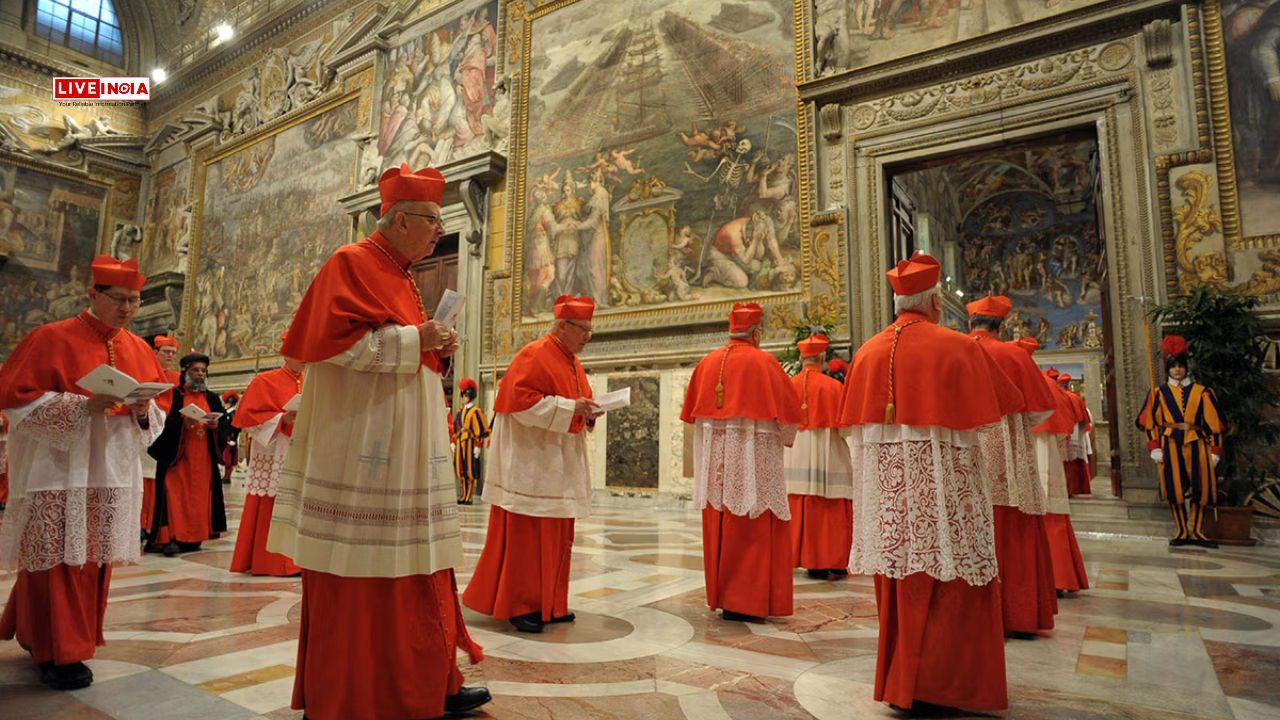


As the Vatican begins its first Conclave in over a decade, here’s a complete look at how the next pope will be chosen—from secret ballots to symbolic smoke signals.
May 7, 2025: The Catholic Church has entered a pivotal moment in its history following the death of Pope Francis on April 21, 2025. With the papal seat now vacant, the world’s cardinals have convened in Vatican City for a sacred and time-honored ritual: the Conclave, during which they will elect the next spiritual leader of over a billion Catholics worldwide.
What Is a Conclave?
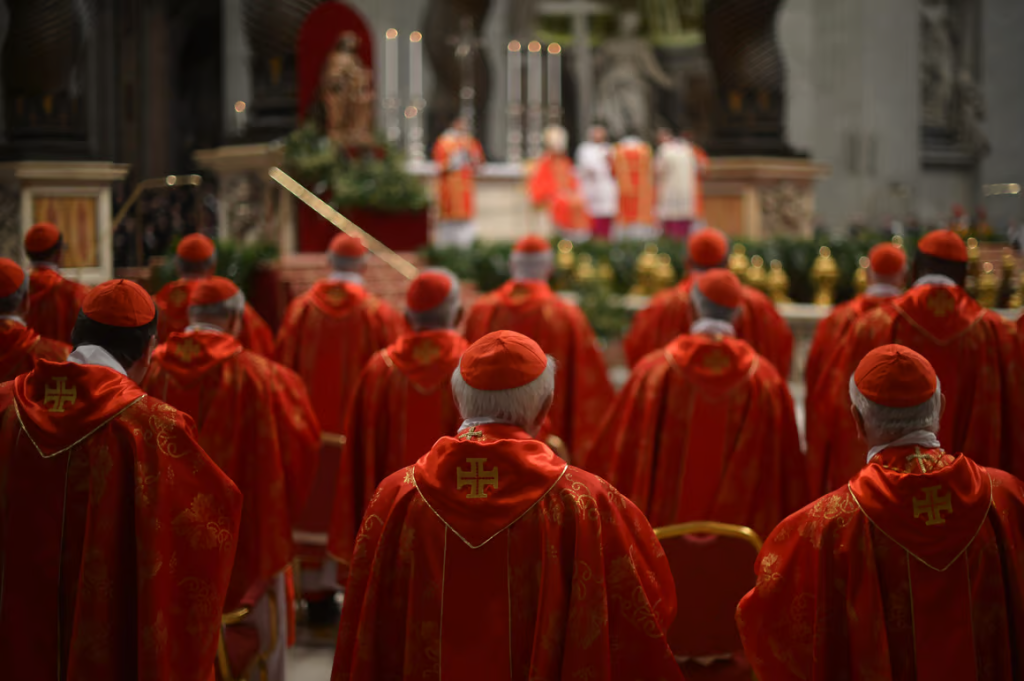
The Conclave is the formal election process used by the College of Cardinals to select a new pope. Taking place in the Sistine Chapel, the word “conclave” stems from the Latin cum clave, meaning “with a key,” reflecting the cardinals’ seclusion until a decision is reached. The election process began on May 7, just over two weeks after Pope Francis’ passing.
Also Read: Pakistan Shuts Entire Airspace, Warns of Response After India’s Operation Sindoor
Who Votes?
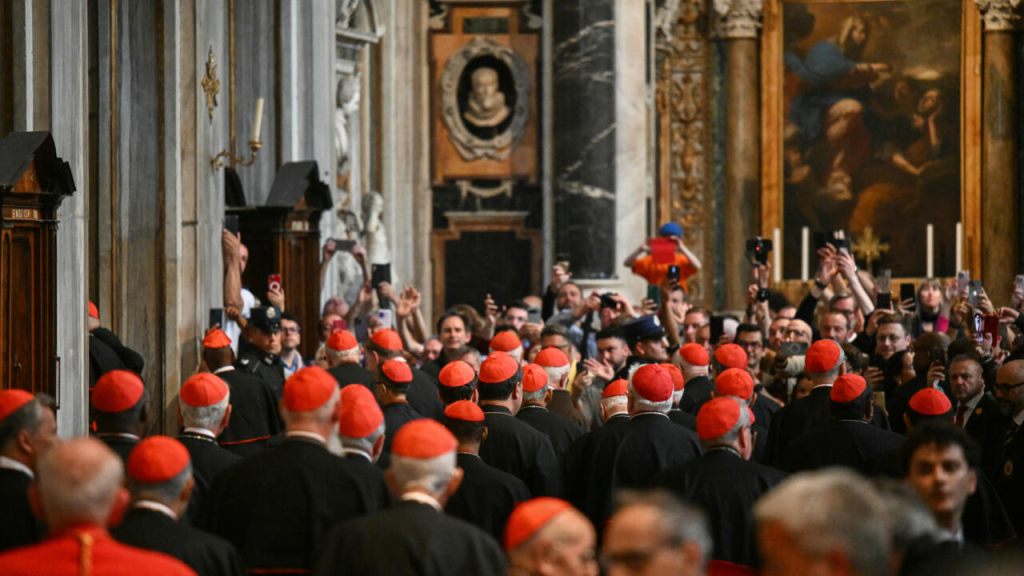
Only cardinals under the age of 80 are eligible to vote. Out of approximately 200 cardinals worldwide, 120 are considered “cardinal electors.” These individuals, handpicked by previous popes, are among the highest-ranking officials in the Church. All must take a solemn oath of secrecy before the voting begins.
How the Process Works
The cardinals gather for multiple pre-Conclave meetings to assess the Church’s needs and potential candidates. Once the Conclave officially begins, voting is done via secret ballot inside the Sistine Chapel. A candidate must receive a two-thirds majority to be declared pope.
Each day, four ballots may be cast—two in the morning and two in the afternoon. After each round of voting, the ballots are burned. If no pope has been elected, black smoke (fumata nera) is released. White smoke (fumata bianca) signals that a new pope has been chosen.
What Happens After the Vote?
Once a candidate reaches the required majority, he is asked if he accepts the papacy. Upon acceptance, he selects a papal name and is announced to the public with the traditional declaration: “Habemus Papam” (“We have a pope”).
Who Oversees the Process?
Until a new pope is elected, church duties fall to the Camerlengo—in this case, Cardinal Kevin Farrell—who certified Pope Francis’ death and will oversee administrative functions until the new pope assumes office.
How Long Does a Conclave Last?
There’s no fixed duration. Pope Francis was elected in just two days in 2013. The longest Conclave in history, however, lasted nearly three years—from 1268 to 1271.
Pope Francis’ Legacy
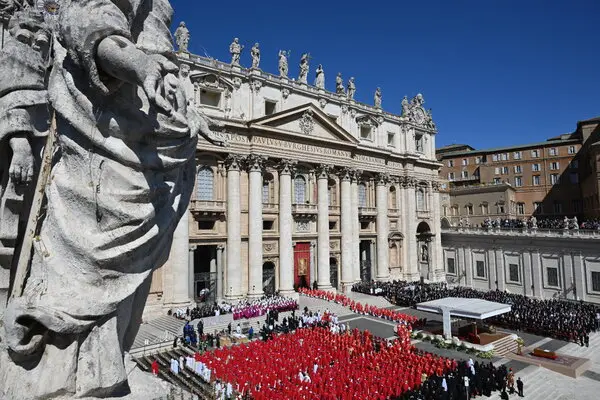
Elected in 2013 following Pope Benedict XVI’s historic resignation, Pope Francis broke ground with progressive messaging, technological outreach, and more inclusive stances on issues like same-sex blessings—though still within traditional Catholic frameworks.
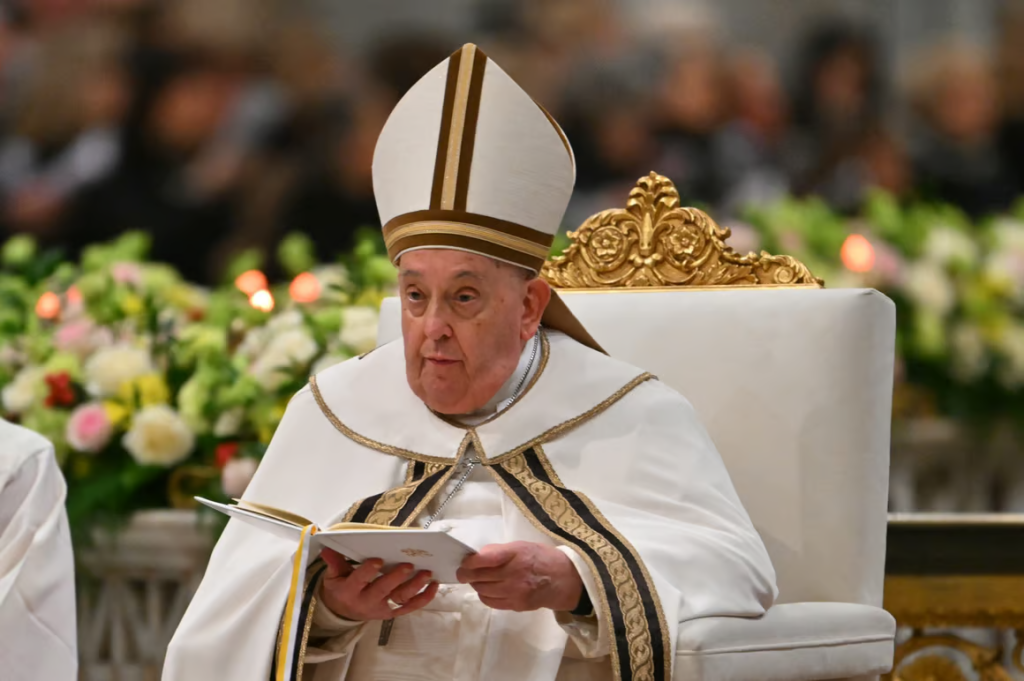
His death at age 88, after battling pneumonia, has ushered in a turning point for the Church as it now seeks new leadership for a rapidly changing world.
Tags:
Pope Francis death, Papal Conclave 2025, new pope election, how a pope is elected, Vatican news, Catholic Church, white smoke black smoke, College of Cardinals, Pope successor, Catholic faith leadership