
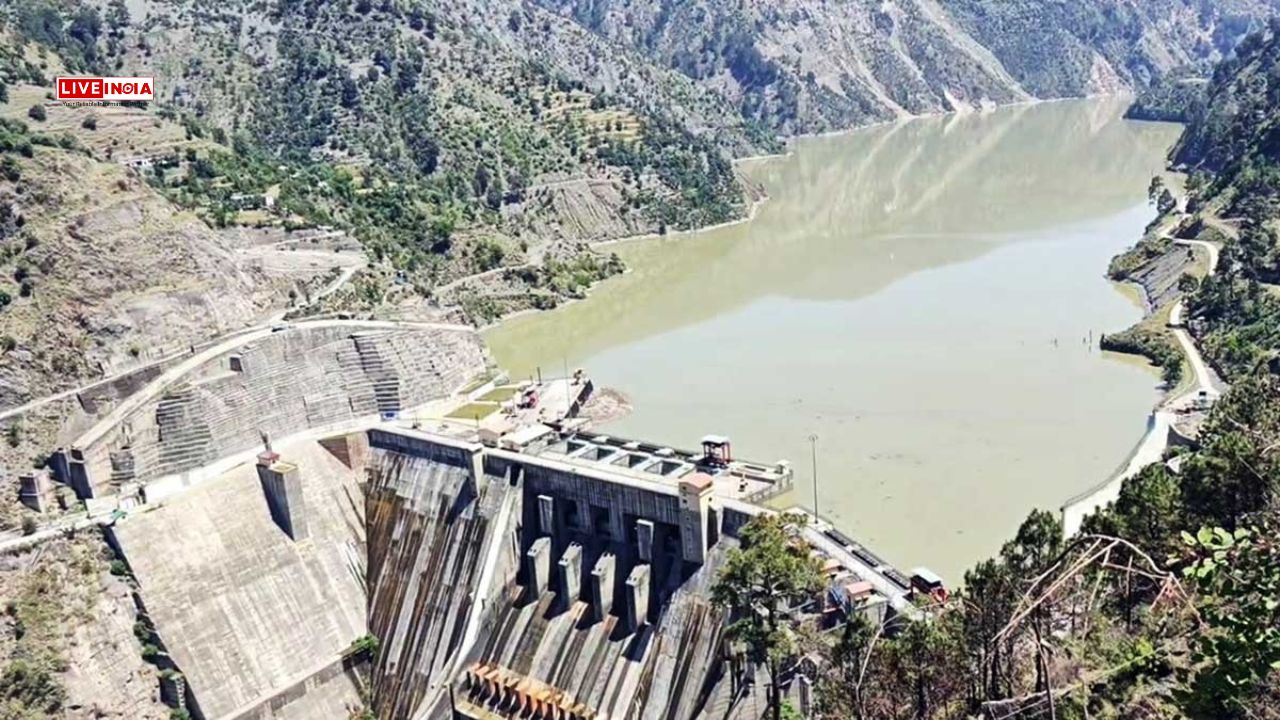


Following the suspension of the Indus Waters Treaty after the Pahalgam attack, India initiates major water infrastructure moves to reclaim its riverine rights and boost hydroelectric output in Jammu and Kashmir
May 5, 2025 |
🔶 Key Developments
- Reservoir flushing begins at Salal and Baglihar dams for the first time in decades
- Six new hydroelectric projects to be revived or launched, totaling over 6,400 MW
- Strategic shift in India’s water management post-treaty suspension
- Top-level meetings underway between key Union ministers to review and expand water strategy
- Pakistan warns of consequences, calls India’s actions an “act of war”
Also Read: Terror Hideout Busted in J&K’s Poonch, Bomb Recovered Amid Rising Indo-Pak Tensions
🏞️ Reservoir Flushing at Salal and Baglihar
In a landmark move, India has carried out reservoir flushing—the process of removing sediment—from the Salal (690 MW) and Baglihar (900 MW) hydroelectric projects in Jammu and Kashmir. These plants had not undergone flushing since their construction in 1987 and 2009 respectively, due to restrictions under the Indus Waters Treaty (IWT).
Why it matters:
Flushing increases turbine efficiency and prevents structural damage, but was previously prohibited under the IWT due to concerns of downstream flooding in Pakistan.
🏗️ Six Hydropower Projects Back on Track
India will fast-track construction of the following stalled or pending hydroelectric projects:
Also Read: India Blocks Chenab River Flow to Pakistan, Escalates Pressure After Missile Test
| Project | Capacity (MW) |
|---|---|
| Sawalkot | 1,856 |
| Kirthai I & II | 1,320 combined |
| Pakal Dul | 1,000 |
| Three others | 2,224 combined |
| Total | 6,400+ MW |
Once completed, these will raise Jammu and Kashmir’s hydroelectric capacity to over 10,000 MW, boosting power generation and water access in northern India.
🧭 Strategic Shift After Treaty Suspension
India suspended the IWT on April 24, citing Pakistan’s alleged links to the Pahalgam terror attack that killed 26 civilians. The suspension means India no longer needs to provide six months’ notice or submit to World Bank mediation before starting new river projects.
🧑💼 High-Level Meetings on Future Water Policy
A major review meeting is expected this week, chaired by Home Minister Amit Shah, Water Resources Minister CR Patil, Power Minister ML Khattar, and Agriculture Minister Shivraj Singh Chouhan. Key agenda items include:
- Reviving Wular Lake
- Initiating new dams along the Chenab
- Assessing irrigation potential for Indian plains
⚠️ Pakistan’s Reaction and Regional Implications
Pakistan has issued strong objections, calling India’s actions a violation of international norms and warning that any diversion of water will be treated as an act of war.
“Any attempt to stop or divert water belonging to Pakistan… will be considered an act of war,” said a Pakistani foreign office spokesperson.
🔎 Expert Insight
According to Kushvinder Vohra, former Chairman of the Central Water Commission and Indus Water negotiator, “India can now pursue storage and dam-building projects at will, which was not possible under IWT terms.”
🏷️ Tags:
Indus Waters Treaty, Baglihar Dam, Salal Project, Jammu and Kashmir, India Pakistan Water Dispute, Hydropower Projects, Amit Shah, IWT Suspension, PahalgamTerrorAttack,