
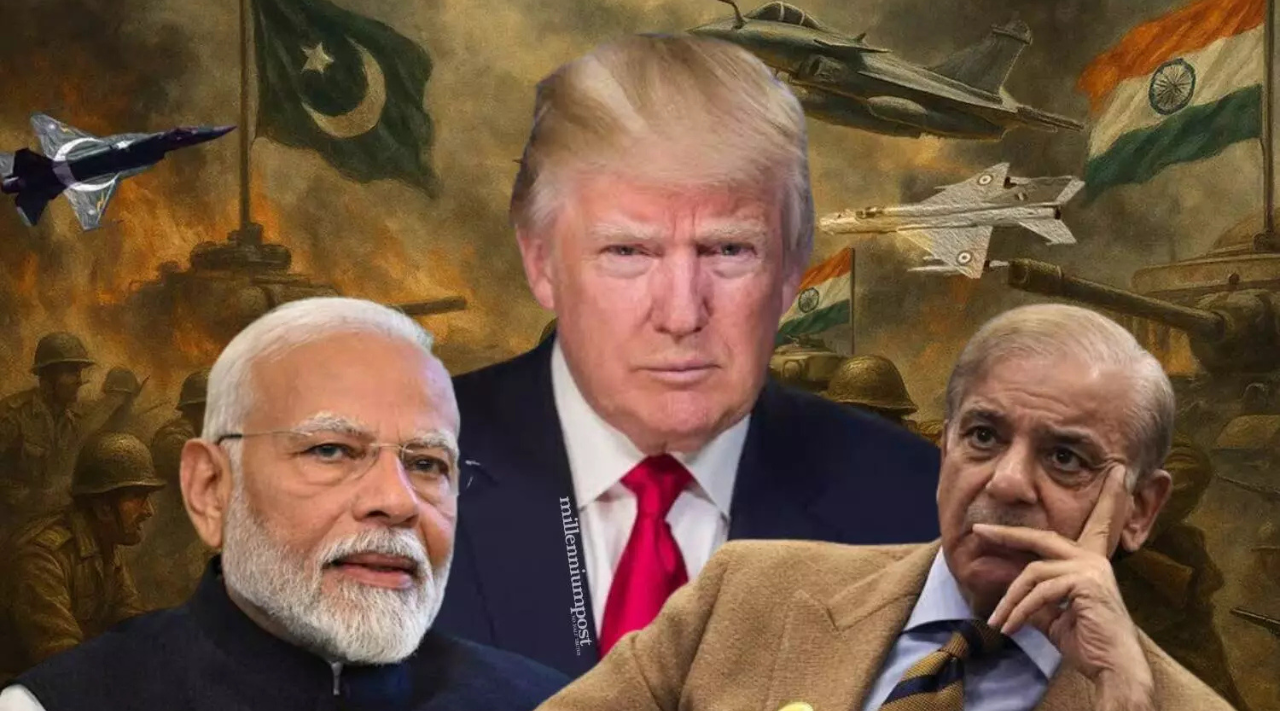


May 27, 2025: In a striking example of 21st-century geopolitical lobbying, both India and Pakistan have tapped into former President Donald Trump’s inner circle to influence U.S. policy and perception amid rising bilateral tensions—particularly after the Pahalgam terror attack and India’s Operation Sindoor.
🔹 India’s Strategic Move: Jason Miller
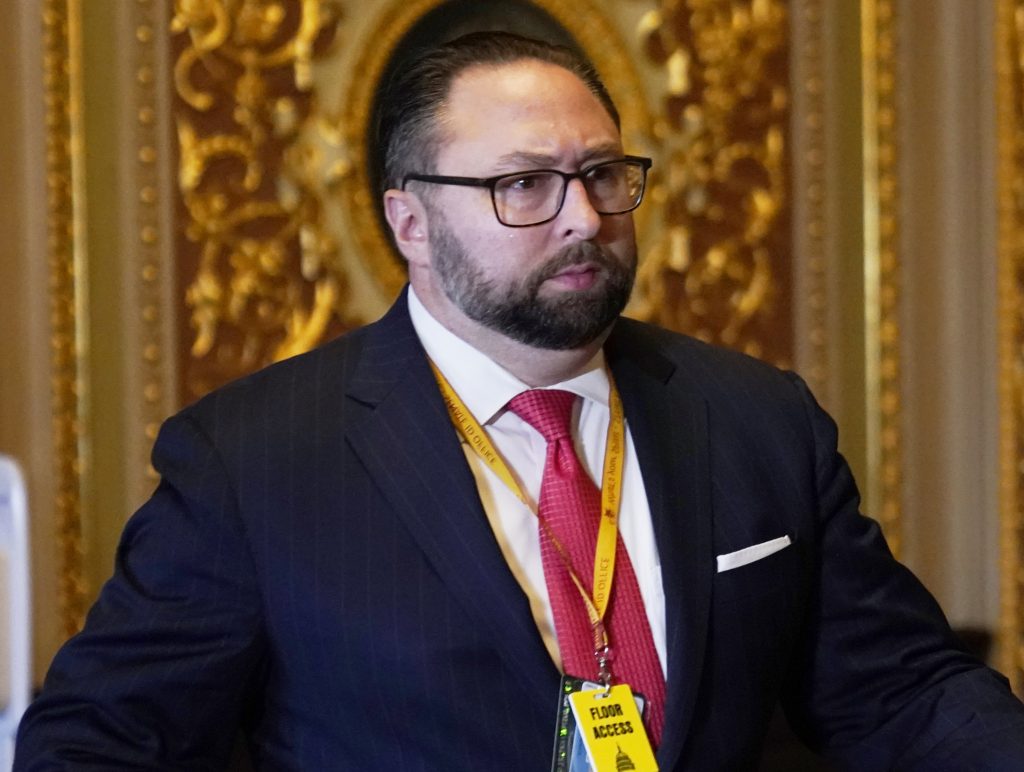
India has brought on board Jason Miller, a senior adviser to Donald Trump, via his firm SHW Partners LLC, at a $1.8 million annual contract. Miller’s role reportedly goes beyond traditional lobbying:
- He’s been briefing Trump and members of Congress on India’s counter-terrorism strategy.
- Leveraging his deep insight into Trump’s thinking and media playbook, he acts as a bridge between Indian diplomacy and Trump’s political ecosystem.
- India’s Ministry of External Affairs defended the move as part of a longstanding practice of engaging U.S. influencers, dating back to the 1950s.
🔹 Pakistan’s Countermove: Keith Schiller & Javelin Advisors
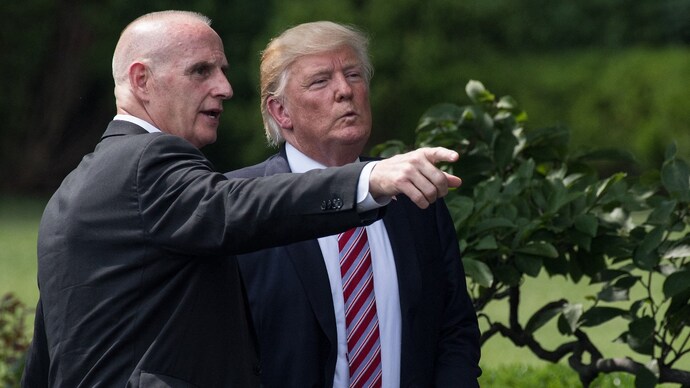
In a parallel move, Pakistan has hired Keith Schiller, Trump’s former bodyguard and Oval Office operations chief, alongside Georges Sorel, former compliance chief at the Trump Organization. Together, they co-founded Javelin Advisors, tasked with:
- Enhancing Pakistan’s public image and engagement with the U.S. executive branch and Congress.
- Promoting economic opportunities, especially in the mining sector, to attract U.S. investments.
- Building “long-term economic partnerships”—a subtle but important framing amid mounting global scrutiny over Pakistan’s financial priorities.
🔹 The Broader Context
This lobbying blitz follows Trump’s May 10 ceasefire announcement between India and Pakistan and his offer to mediate the Kashmir dispute—a proposition India swiftly declined, reaffirming its position against third-party involvement in bilateral issues.
Historically, the U.S. has:
- Viewed Pakistan as a strategic ally in the region, particularly during the Cold War and post-9/11.
- Grown increasingly close to India, especially since the U.S.-India nuclear deal and recent defense partnerships.
Also read: US Halts All New Student Visa Interviews World-Wide Till Further Notice
🔹 What This Means
- For India: Miller’s role may help strengthen bipartisan U.S. support for India’s zero-tolerance stance on terrorism, especially in an election-year Washington where Trump’s return to power is plausible.
- For Pakistan: Schiller and Sorel are expected to soften Pakistan’s image and attract economic opportunities amid ongoing scrutiny over its alleged terror financing networks.
Both nations are not just battling on borders—but in the backrooms of Washington, using high-profile lobbyists to shape narratives, secure economic opportunities, and influence U.S. foreign policy during a volatile geopolitical period.
This reflects a sophisticated evolution of soft power diplomacy, where public relations, trust networks, and political proximity are just as crucial as traditional diplomatic channels.