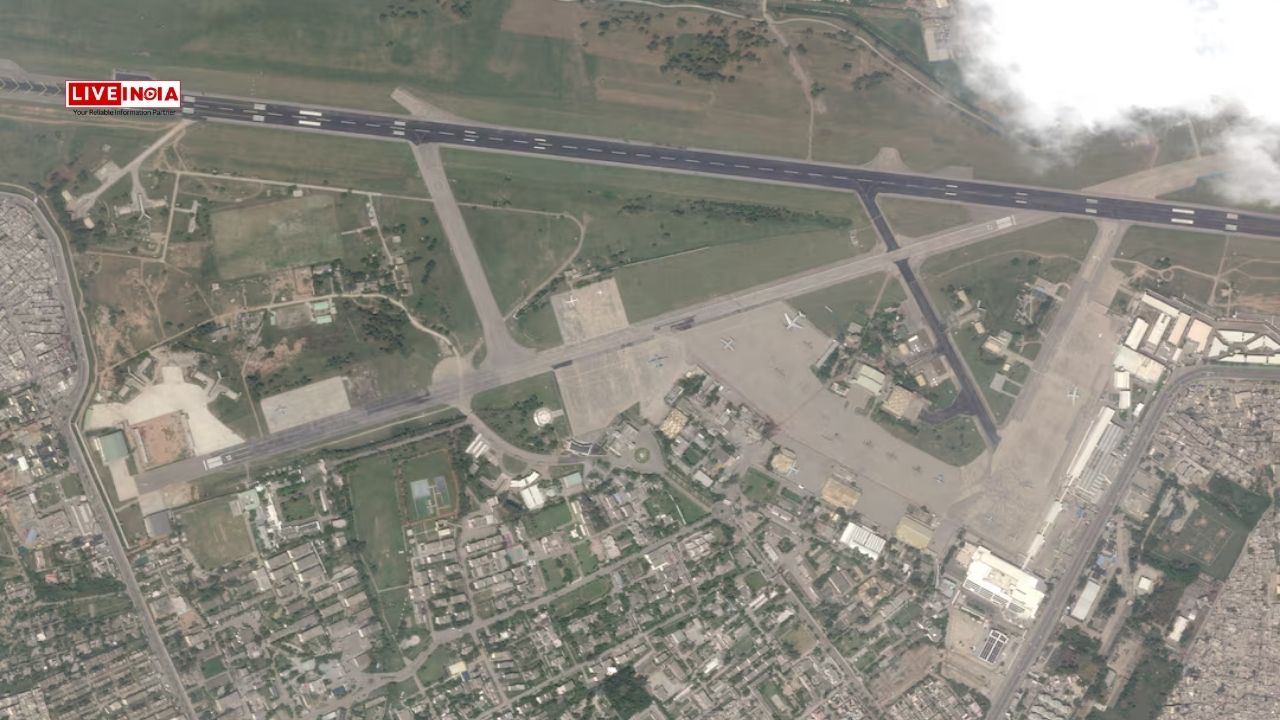
India Was Ready For Round Two, Pakistan Pleaded With US For Ceasefire After Nur Khan Strike
Also Read: Army Eliminates 6 Terrorists In Twin J&K Ops Amid Doctrinal Shift Under Operation Sindoor
Despite narratives by Western outlets painting India and Pakistan as strategic equals, India held all the cards militarily. The decision not to escalate further wasn’t due to international pressure but because New Delhi had already achieved its objectives—destroying 11 Pakistani airbases and incapacitating its Chinese-supplied air defense systems.
At 10:38 AM on May 10, Pakistan’s DGMO Kashif Abdullah called his Indian counterpart warning of retaliation if India proceeded with a suspected BrahMos strike on Karachi. But India stood unfazed. US Secretary of State Marco Rubio also reached out urgently to Indian leadership, only to be told that any proposals must come via military channels.
India reportedly ignored diplomatic outreach from Pakistan’s Foreign Minister and even from Islamabad’s traditional allies. Meanwhile, Indian intelligence had confirmed Pakistan’s remaining military infrastructure east of the Indus had been neutralized.
The strike on Nur Khan Air Base was surgical and strategically calculated. Indian aerial platforms, including drones, loitering munitions, and stand-off missiles, proved superior to both Pakistani and Chinese-origin defense systems. Contrary to French media skepticism, India’s Rafale jets performed with precision.
The Modi government deliberately avoided striking civilian-heavy areas like Balochistan and Khyber Pakhtunkhwa, focusing instead on decimating terror infrastructure in a 25-minute coordinated offensive on May 7.
India is now preparing for a new era of warfare, investing in stand-off weapons, armed drones, and swarm drone tech. The induction of 31 Predator drones by 2028 reflects a shift away from traditional land battles.
Meanwhile, India is expected to formally suspend the Indus Waters Treaty next month, further tightening pressure on Pakistan.
Operation Sindoor wasn’t just retaliation—it was a statement. India stood alone, acted alone, and won alone. Going forward, New Delhi intends to pursue independent military resilience, targeting not just local threats but also nations aiding cross-border terrorism through technology and strategy.
India Pakistan conflict, Operation Sindoor, Nur Khan airbase strike, BrahMos, Indian Navy Karachi target, Marco Rubio India talks, Jaishankar diplomacy, Chinese air defense failure, Predator drones India, Indus Treaty suspension, OperationSindoor,
Actor says audiences must back mid-budget cinema to encourage experimentation February 26, 2026: Actor Adarsh…
Actor says she felt ‘forced’ to announce daughter’s premature arrival February 26, 2026: Actor Priyanka…
The makers of the much-anticipated reunion film starring Rajinikanth and Kamal Haasan have clarified that…
PM Modi, Netanyahu announce historic upgrade after bilateral talks February 26, 2026: India and Israel…
Strong bones and pain-free joints are not built overnight — they are shaped by everyday…