


Israeli Prime Minister Benjamin Netanyahu on Thursday announced that his government is preparing to open ceasefire negotiations with Lebanon as soon as possible, even as hostilities between Israeli forces and Hezbollah continue.
According to reports by The Jerusalem Post and The Times of Israel, Netanyahu said the proposed negotiations would centre on disarming Hezbollah and establishing peaceful relations between Israel and Lebanon.
“The negotiations will focus on disarming Hezbollah and establishing peaceful relations between Israel and Lebanon,” Netanyahu said in an official statement.
He added that the move comes in response to repeated appeals from Lebanon to begin direct talks with Israel, noting that he has instructed his cabinet to initiate discussions without delay.
Lebanon’s Call For Demilitarisation Signals Possible Diplomatic Opening
Netanyahu also acknowledged what he described as a significant diplomatic signal from Lebanon’s leadership. He said Israel appreciated the call made by Lebanon’s prime minister to demilitarise Beirut, which could open the door to negotiations despite continued military activity.
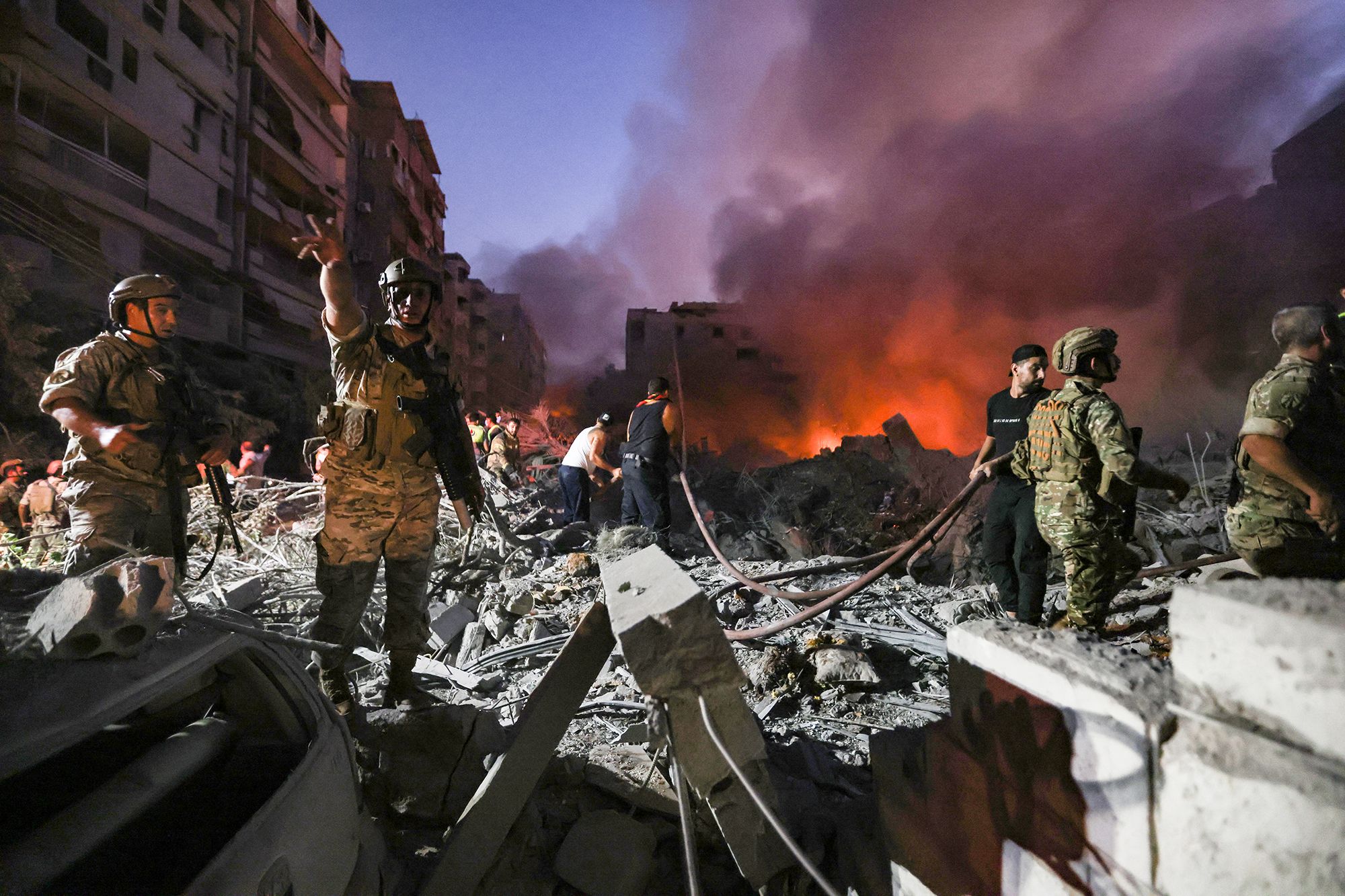
This statement comes at a time when Israeli strikes in Lebanon have persisted, even after a separate ceasefire agreement between the United States and Iran.
Disagreements remain over whether Lebanon is covered under that truce, adding to uncertainty in the region.
Pakistan Working To Expand Ceasefire To Lebanon And Yemen
Meanwhile, diplomatic efforts to widen the scope of the ceasefire are underway. Citing a Pakistani source, Reuters Chief National Security Correspondent Phil Stewart reported that Pakistan is actively working on a broader ceasefire framework that could include both Lebanon and Yemen.
Pakistan’s leadership is seeking to expand the existing negotiations beyond the current US-Iran arrangement.
Prime Minister Shehbaz Sharif has reportedly spoken with Lebanon’s Prime Minister Nawaf Salam regarding the situation.
According to an official readout, Islamabad strongly condemned Israel’s continued strikes, while Salam urged Pakistan to support efforts aimed at bringing an immediate halt to attacks targeting Lebanon and its people.
Confusion Over Lebanon’s Status In Ceasefire
Uncertainty remains over whether Lebanon is formally included in the ceasefire arrangement.
While Washington and Israel maintain that Lebanon is not part of the deal, Pakistan has suggested otherwise and is pushing for clarity.
Lebanese Prime Minister Nawaf Salam has urged Pakistan to confirm that the ceasefire explicitly includes Lebanon in order to prevent further Israeli strikes, which reports indicate have resulted in more than 200 deaths.
Meanwhile, leadership within Iran’s parliament has warned that Iran considers Lebanon to be an inseparable part of the ceasefire framework. This stance raises concerns that continued military action could lead to further escalation in the region.