
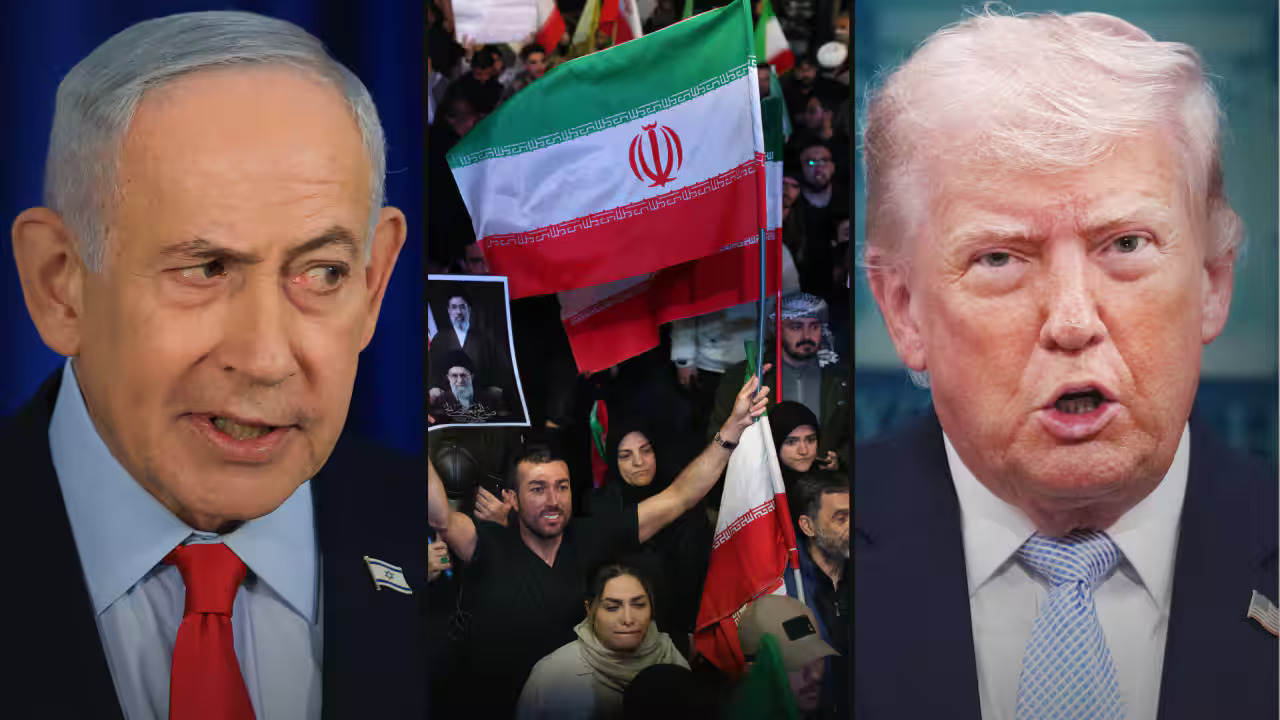


Israel has expressed dissatisfaction with the recent ceasefire agreement between the United States and Iran, reportedly because it was not consulted during negotiations that led to the deal, according to a report by The Wall Street Journal.
The United States and Iran announced a two-week ceasefire early Wednesday, just minutes before US President Donald Trump’s previously issued deadline expired. As part of the agreement, Iran agreed to reopen the strategically vital Strait of Hormuz, a move expected to help restore global energy supplies disrupted during weeks of conflict.
However, Israeli Prime Minister Benjamin Netanyahu made it clear that while Israel supports Washington’s move, the ceasefire does not extend to Israel’s military campaign in Lebanon.
Israel Supports Ceasefire But Voices Concerns
Netanyahu publicly supported the US decision to pause strikes against Iran but stressed that Israel had not been included in discussions before the agreement was finalised.
In a post on social media platform X, Netanyahu stated that Israel backs President Donald Trump’s decision to suspend strikes against Iran for two weeks, provided Tehran immediately reopens the Strait of Hormuz and stops attacks against the United States, Israel, and other regional nations.
At the same time, he emphasised that the ceasefire agreement applies only to the US and Iran and does not include Lebanon.
“The two-week ceasefire does not include Lebanon,” Netanyahu said, signalling that Israeli military operations against Hezbollah would continue despite the broader truce.
Israel Continues Strikes In Lebanon
Even after the ceasefire announcement, Israel continued military operations targeting Hezbollah positions in Lebanon. Reports indicate that Israeli strikes killed dozens of people and injured hundreds more, prompting strong reactions from Iran.
Iran has warned that it could withdraw from the ceasefire agreement if Israel continues its attacks in Lebanon, raising fears that the fragile truce could collapse.
Iranian media reports also suggested that tanker movement through the Strait of Hormuz briefly faced disruptions again following Israeli military activity, highlighting how closely the regional conflicts remain interconnected.
Trump Defends Israel’s Position
US President Donald Trump defended Israel’s continued operations in Lebanon, stating that Hezbollah was not included in the ceasefire agreement between Washington and Tehran.
Speaking to PBS News, Trump said the Lebanon conflict was separate from the US-Iran truce.
“They were not included in the deal,” Trump said, referring to Hezbollah. “That’ll get taken care of too. It’s alright.”
When asked whether he was comfortable with Israeli forces continuing their military operations in Lebanon despite the ceasefire, Trump reiterated that the Lebanon conflict was a separate issue.
“It’s part of the deal — everyone knows that. That’s a separate skirmish,” he added.
Ceasefire Aims To Stabilise Key Shipping Route
The two-week ceasefire between the United States and Iran was announced after weeks of escalating conflict that disrupted maritime traffic through the Strait of Hormuz, one of the world’s most important oil shipping routes.
The agreement included Iran’s commitment to reopen the Strait of Hormuz, which handles a significant portion of global oil and liquefied natural gas shipments.
The reopening of the waterway is seen as critical for stabilising global energy markets and easing supply disruptions caused during the conflict.
Fragile Peace Faces Regional Challenges
Although the ceasefire has temporarily reduced direct hostilities between the United States and Iran, tensions remain high across the region, particularly due to Israel’s continued military campaign in Lebanon.
With Iran warning of possible withdrawal from the truce if Lebanon strikes persist, analysts believe the situation remains highly volatile.
The developments underline the complexity of Middle East conflicts, where multiple overlapping disputes continue even as individual ceasefire agreements are reached.