



May 04, 2025: Karachi’s escalating water crisis has taken a severe turn as the repair of an 84-inch main water supply line near the University of Karachi remains incomplete, according to Dawn. The disruption has drastically strained the city’s already fragile water distribution system, reducing supply to a mere 400 million gallons per day (MGD) — far below the required 1,200 MGD.
Initially, Karachi Water and Sewerage Corporation (KWSC) Chief Operating Officer Asadullah Khan had promised completion by Saturday night. However, a KWSC spokesperson later confirmed that the work was still ongoing and is now expected to finish by Sunday.
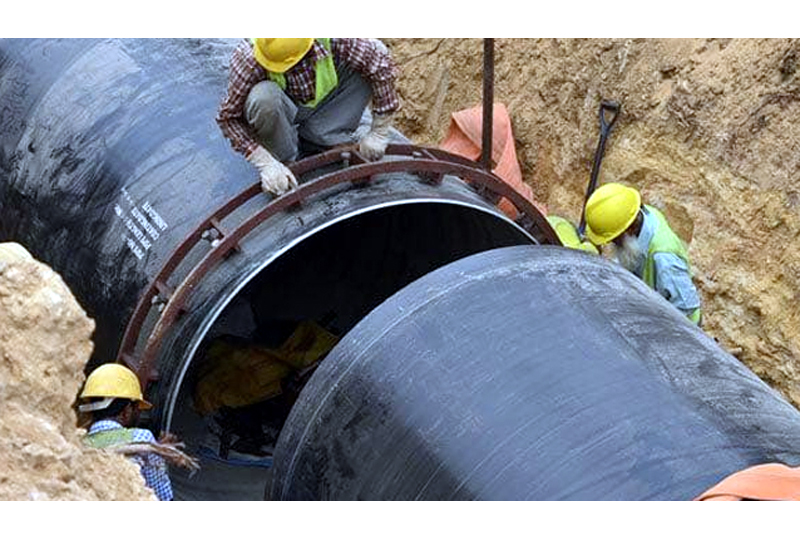
The rupture has disrupted supply across several areas, including the University of Karachi and nearby neighborhoods. The situation worsened due to simultaneous repair work on Siphon No. 19, further reducing water flow from the usual 650 MGD.
Experts have long warned of the city’s aging and overstressed water infrastructure. Karachi’s pipeline network is outdated and vulnerable to frequent breakdowns, compounded by years of mismanagement, lack of planning, and insufficient investment. Rapid population growth has outpaced infrastructure upgrades, and widespread corruption and political interference have allowed illegal hydrants to flourish.

The tanker mafia continues to exploit the crisis, selling overpriced and often illegally sourced water to desperate residents. Many areas still lack access to piped water and rely heavily on these tankers. The impact of climate change — particularly reduced rainfall — has only added to Karachi’s chronic water shortage.
Despite the urgency, there has been little investment in alternative solutions such as desalination plants or infrastructure modernization, leaving the metropolis dependent on a failing system and an exploitative black market.