
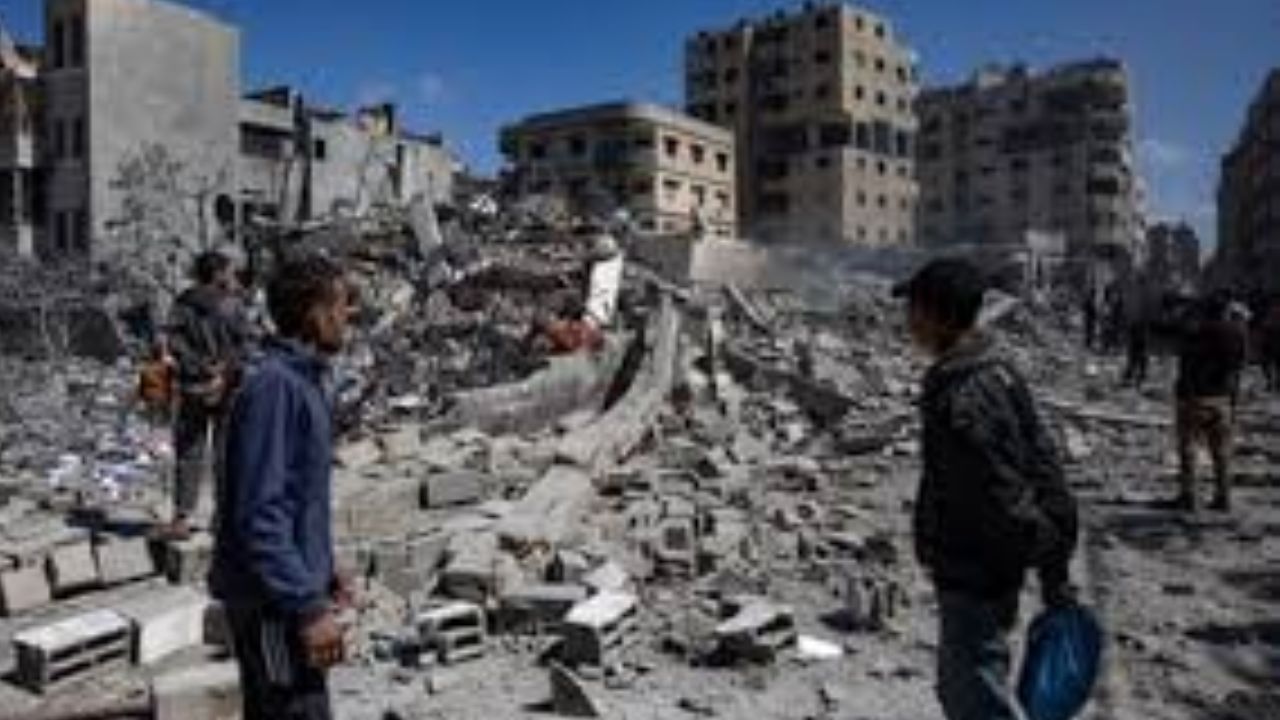


Conflicting claims over Lebanon’s inclusion in the US-Iran ceasefire trigger diplomatic friction and raise concerns over regional stability.
April 9, 2026: Tensions have risen after Shehbaz Sharif claimed that Lebanon was part of the recent ceasefire agreement between the United States and Iran. The White House swiftly rejected the statement, clarifying that Lebanon was never included in the negotiations. The discrepancy has drawn widespread attention, raising concerns about miscommunication at a critical diplomatic moment.
Reacting to the controversy, Seyed Abbas Araghchi stressed that the ceasefire terms were clearly defined and warned against any misrepresentation. Meanwhile, Benjamin Netanyahu also confirmed that Lebanon is not part of the agreement, reiterating that Hezbollah remains a target of Israeli military operations. These statements have further highlighted divisions among regional stakeholders amid ongoing tensions.
The episode has sparked debate over Pakistan’s role, with analysts questioning whether the claim was a misunderstanding or a deliberate move. The confusion risks complicating diplomatic efforts and underscores the fragile nature of ceasefire arrangements in the Middle East. As the international community watches closely, the incident reflects how misstatements can quickly escalate tensions and impact trust in high-stakes negotiations.