Over 500 Afghan Children Killed or Injured by Explosives in 2024: UNICEF
Kabul [Afghanistan], January 6: More than 500 Afghan children were killed or injured in 2024 due to explosions caused by unexploded ordnance and remnants of war, according to a United Nations Children’s Fund (UNICEF) report, as cited by Khaama Press.
In an effort to address this ongoing crisis, UNICEF trained over 3 million children and their caregivers last year on identifying, avoiding, and reporting explosive remnants.
UNICEF shared a powerful image on social media platform X on January 5, showing children being trained to recognize explosive hazards.
“In 2024, more than 500 children were killed or gravely injured by unexploded ordnances or explosive remnants of war. UNICEF educated around 3 million children and caregivers on the risks of explosive ordnances last year, including how to identify, avoid, and report them,” UNICEF Afghanistan posted.
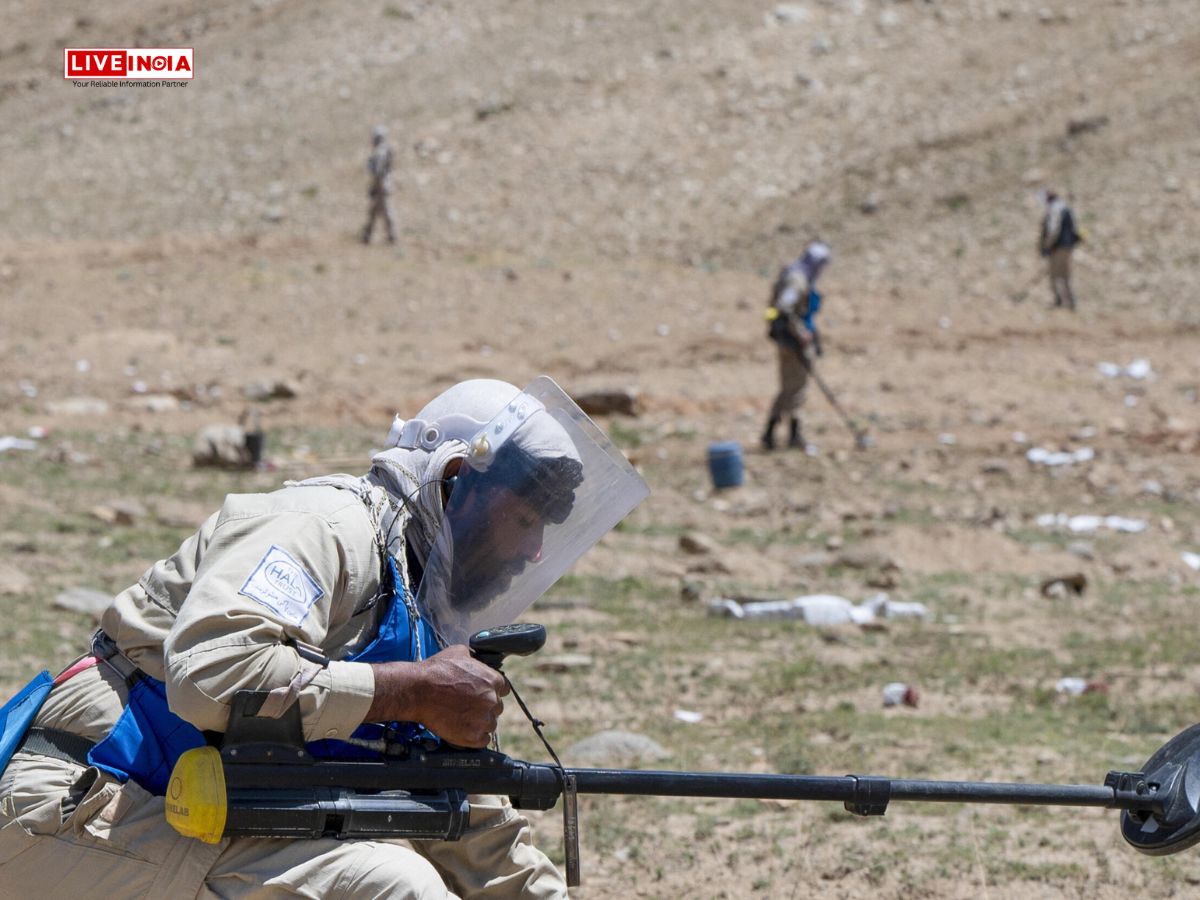
In a separate report on November 12, The HALO Trust, an international demining organization, highlighted that over 65 square kilometers of land across 26 provinces remain contaminated with improvised explosive devices (IEDs).
Afghanistan remains one of the four most heavily mine-contaminated countries globally, posing an immense risk to communities, especially children. HALO operates with 2,235 demining personnel in the country.
During the previous regime, landmines were planted indiscriminately across roads and farmlands by Taliban forces, often without systematic mapping, targeting security lines of former government and foreign forces.
Adding to the plight, the World Food Programme (WFP) revealed last week that it can only provide aid to 7 million out of the 14 million people facing acute hunger in Afghanistan due to severe funding shortages.
Pauline Eloff, head of WFP’s emergency department, shared on X:
“For every two families who require food assistance, the organization can only help one.”
WFP has already pre-positioned essential food supplies in remote Afghan villages, where access becomes impossible during the harsh winter months. Without this assistance, survival becomes nearly unattainable for many families.
Both UNICEF and WFP have emphasized the urgent need for increased international aid to address the ongoing humanitarian and safety crises in Afghanistan.
Immediate demining operations, educational campaigns, and food assistance programs are critical to prevent further casualties and ensure the safety and well-being of Afghan children and families.
In a deeply moving interview on the On Purpose podcast on February 5, 2026, singer…
On February 5, 2026, Prime Minister Narendra Modi addressed the Rajya Sabha to reply to…
In a shocking development for fans of the newly launched reality show The 50, veteran…
In a viral Instagram video shared on February 4, 2026, comedian Samay Raina delivered a…
New details have emerged in the investigation of the firing incident outside filmmaker Rohit Shetty’s…
Singer Talwiinder, the enigmatic masked voice behind hits like Khayaal, has finally addressed the whirlwind…