

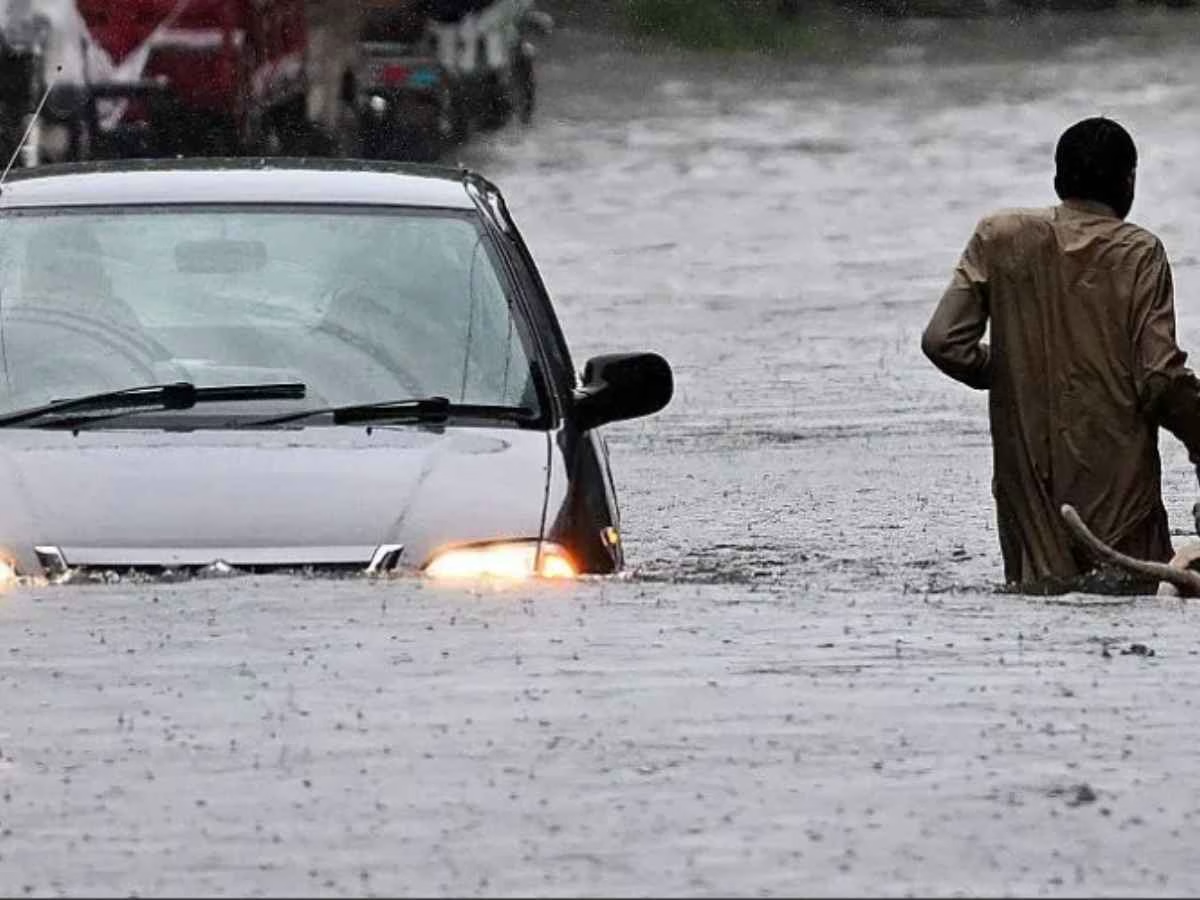


July 17, 2025: Over 63 people have died due to drowning or electrocution as torrential rains battered Pakistan Punjab province within a span of just 24 hours. The relentless downpour also injured more than 290 individuals, according to reports from local authorities and international media.
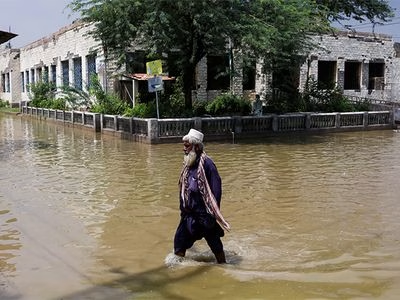
The Pakistani disaster management body confirmed that most fatalities occurred when buildings collapsed under the weight of the heavy rains, while others succumbed to drowning or electrocution. The latest deaths have pushed the monsoon-related death toll in the region to nearly 180 since the rains began in late June, with children comprising more than half of the victims, BBC reported.
In response to the emergency, Rawalpindi city authorities declared Thursday a public holiday to encourage residents to stay indoors. Evacuations were ordered for people living along Nullah Leh, a tributary of the Indus River, as floodwaters rose dangerously. However, a report from GeoNews noted that water levels began to recede after 18 hours of continuous rain.
The downpour has wreaked havoc across Punjab, causing widespread flooding, shutting down key expressways, and disrupting dozens of flights. In Chakwal, where an extraordinary 400 millimeters of rain fell in a single day, rescue teams deployed boats to reach stranded residents. Military helicopters patrolled the skies above submerged areas to coordinate relief efforts.
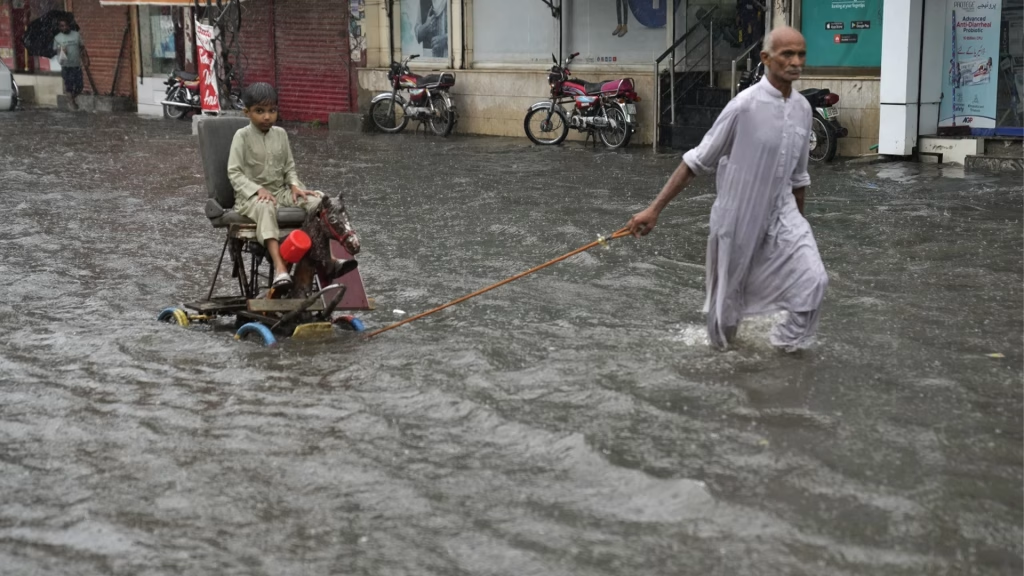
Punjab Chief Minister Maryam Nawaz declared an emergency in several districts as swollen rivers inundated towns and villages. Thousands of emergency personnel remain on standby amid forecasts of additional rain and flash floods over the coming weekend.
Pakistan’s geographic vulnerability to such disasters arises from the clash of two distinct weather systems: the Western Disturbances, which bring hot and dry conditions, and the Southwest Monsoon, responsible for heavy rainfall and floods. Compounding the problem, the country is home to over 13,000 glaciers, many of which are melting at an accelerated pace due to climate change.
The devastating effects of climate-related flooding were starkly highlighted in 2022, when monsoon floods killed 1,700 people and submerged a third of Pakistan, causing economic losses exceeding $30 billion.
As the rains continue, authorities are urging residents to stay alert and adhere to evacuation orders to minimize further loss of life.