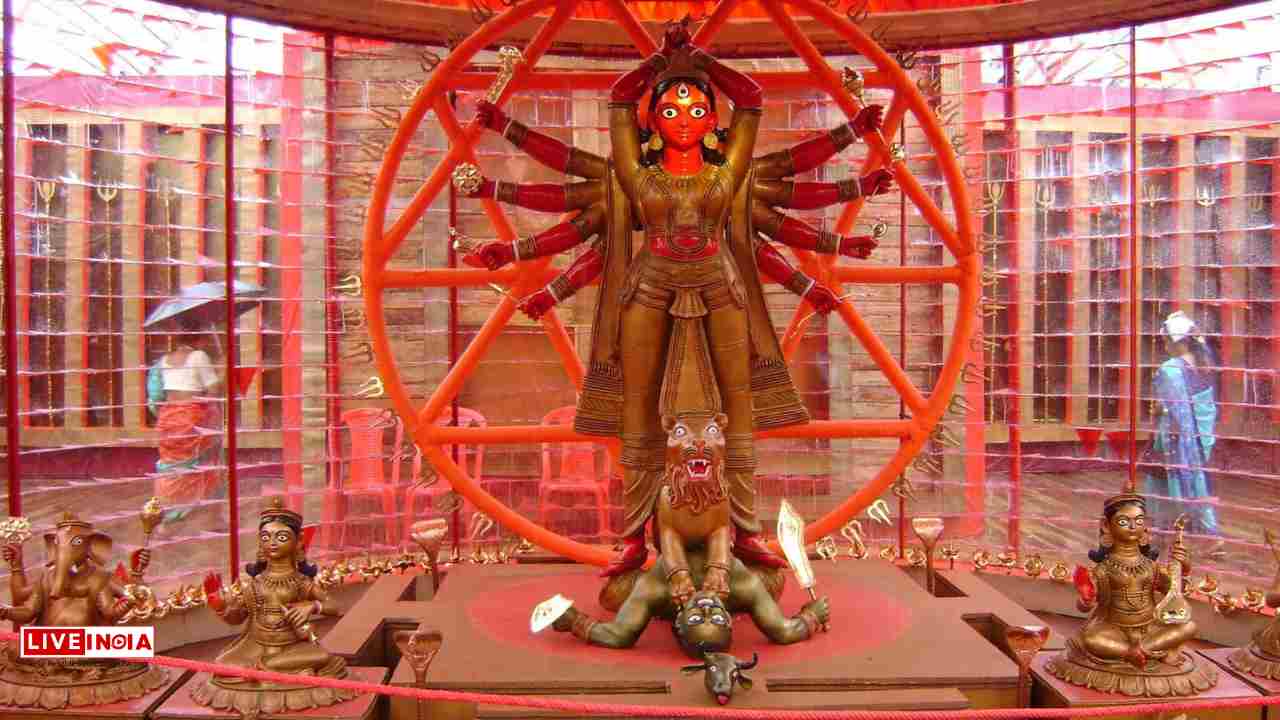
Sheetla Ashtami 2025: Worship, Wellness, and the Wisdom of the Ancients
Sheetla Ashtami in 2025 will be observed on Saturday, March 22, 2025 (Ashtami Tithi of Krishna Paksha in the Chaitra month, as per the Hindu calendar).
Sheetla Ashtami, also known as Basoda in some parts of North India, is a significant Hindu festival dedicated to Goddess Sheetla, the goddess of smallpox, infections, sores, and healing. The festival is observed on the eighth day (Ashtami) after Holi, during the Krishna Paksha (waning phase of the moon) in the month of Chaitra (March–April).
On this day, devotees do not cook fresh food, and instead consume “stale” or pre-cooked food (prepared a day before). This is done as an act of reverence and to invoke the blessings of Goddess Sheetla, who is believed to protect families—especially children—from diseases like smallpox, chickenpox, and seasonal fevers.
Sheetla Ashtami holds both religious and practical significance:
According to Hindu legend, Sheetla Mata is an incarnation of Goddess Durga or Parvati. The Skanda Purana, one of the oldest Hindu scriptures, describes her as riding a donkey and carrying a broom, winnowing fan, and a pot of cold water—all symbols of cleaning, healing, and cooling fevers.
The story goes that when plagues and poxes spread uncontrollably across ancient lands, people began praying to a compassionate feminine power to cure them. Moved by their pleas, Goddess Sheetla descended to Earth, soothing the burning sores and fevers with her cooling powers and sacred water.
To honor her, people began offering cold food—symbolizing the cooling and healing nature of her blessings. The tradition of not lighting fire in the kitchen stems from this belief, as the fire was considered symbolic of fever or inflammation. Cold food represents relief and restoration.
In another tale, King Virat of Hastinapur was once afflicted with a deadly fever and sores. On the advice of his royal priest, the queen observed Sheetla Ashtami vrat, offered cold food, and prayed with full devotion. Miraculously, the king was cured overnight. Since then, the tradition of observing Sheetla Ashtami spread across households.
In an era where health and hygiene are central concerns, the timeless relevance of Sheetla Ashtami becomes even more meaningful. It is not just a festival of rituals—it’s a celebration of health, devotion, maternal care, and ancient wisdom. As families gather around pre-cooked meals and offer prayers to the healing goddess, they reaffirm their bond with age-old traditions that prioritize wellbeing, gratitude, and spiritual protection.
Sunny Deol and Akshaye Khanna face off in a high-stakes courtroom drama of ethics and…
No refund for Vande Bharat and Amrit Bharat tickets cancelled within eight hours of departure…
Services to four destinations suspended till February 28 over regional security concerns February 3, 2026:…
Eight Opposition MPs suspended after repeated disruptions over national security debate February 3, 2026: The…
Makers consider recast after Deepika Padukone’s exit from Kalki 2898 AD 2 February 3, 2026:…
Former India captain calls award a special moment, vows to keep winning matches for the…