Tibetan Envoy Warns EU of China's Dam Projects Threatening Asia’s Lifelines and Regional Stability
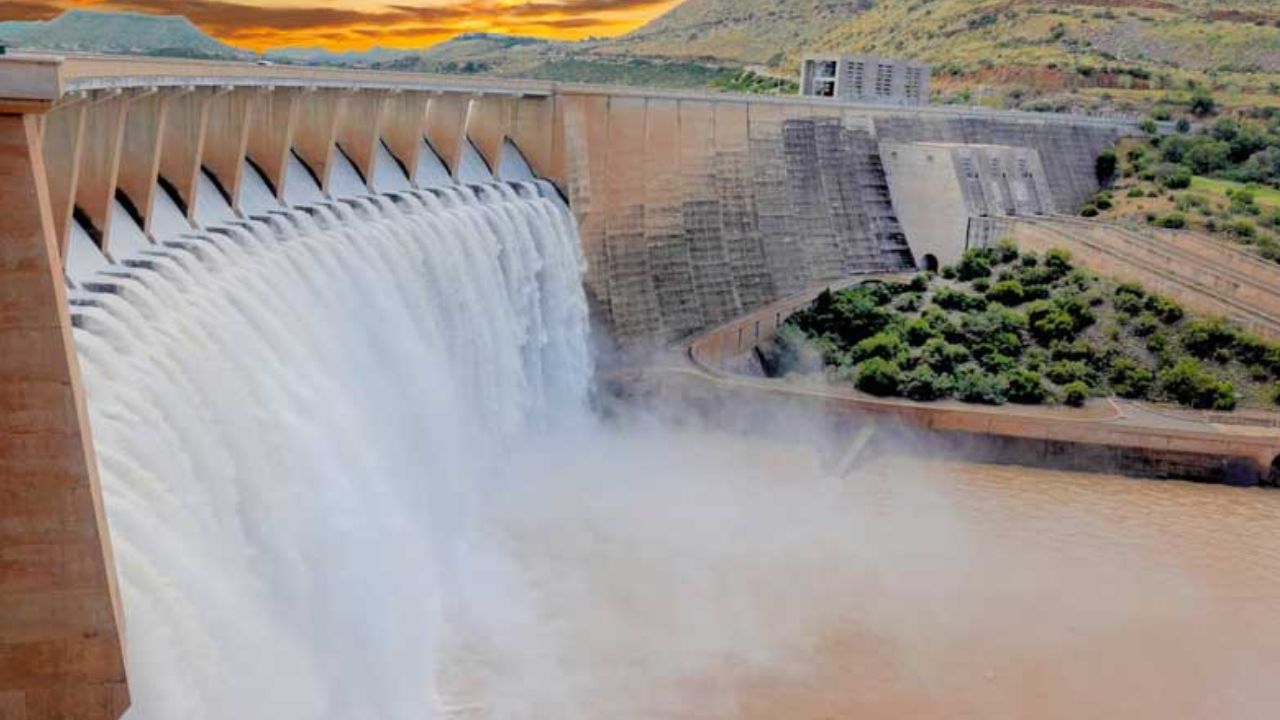
May 16, 2025: In a compelling address at the European Parliament, Tibetan Representative Rigzin Genkhang raised urgent concerns over China’s expansive dam-building projects on the Tibetan Plateau, warning of their profound humanitarian, environmental, and geopolitical consequences. The event, organized by the International Campaign for Tibet in Brussels, brought together environmental experts, policy advocates, and European lawmakers to discuss the pressing implications of Beijing’s hydropower ambitions in Tibet.
Speaking at the conference, Genkhang emphasized the strategic and ecological fragility of Tibet, often referred to as the “Third Pole” due to its massive reserve of freshwater stored in glaciers and rivers. He warned that China’s damming of Tibet’s rivers—which feed many of Asia’s largest and most vital waterways—could jeopardize the water security of hundreds of millions of people downstream in South and Southeast Asia.
He urged global environmental and climate-focused institutions to recognize the critical role of the Tibetan Plateau and to integrate it into international conservation and protection frameworks. Genkhang’s call to action comes amid mounting global scrutiny over China’s unchecked infrastructure expansion in ecologically sensitive and politically contested regions.
In addition to his speech, Genkhang held several meetings with Members of the European Parliament (MEPs) to discuss Tibet’s ongoing challenges and to express appreciation for the Parliament’s recent resolution condemning religious freedom violations in Tibet. Tenzin Phuntsok, EU Advocacy Officer, also participated in these discussions.
The conference took place in the broader context of escalating concerns about China’s human rights record in Tibet, especially following the 30th anniversary of the enforced disappearance of Gedhun Choekyi Nyima, the 11th Panchen Lama. Aged only six when he vanished in 1995 after being recognized by the Dalai Lama, the Panchen Lama remains missing—sparking international outcry. Human Rights Watch has called on global governments, particularly those with large Buddhist populations, to demand accountability from Beijing.
The Tibet-China dispute remains one of the most enduring geopolitical issues in Asia. Tibet, historically functioning as an independent nation, was annexed by China in 1951 following military occupation. Since then, Tibetans—led by the Dalai Lama in exile—have advocated for greater autonomy and the protection of their cultural, religious, and political rights. China, however, insists that Tibet is an inseparable part of its territory, resulting in a long-standing conflict marked by cultural repression, political crackdowns, and human rights violations.
As China’s infrastructure footprint expands, especially in ecologically sensitive areas, Tibet’s plight is increasingly seen as a global concern with far-reaching impacts—not only for the Tibetan people but for the environmental and water security of the entire region.
After the massive success of Dhurandhar, fans have been eagerly awaiting its sequel. Titled Dhurandhar:…
The first total lunar eclipse (Chandra Grahan) of 2026 will occur on March 3, 2026,…
Prime Minister Narendra Modi and Canadian Prime Minister Mark J Carney on Monday reaffirmed their…
Amid intensifying tensions in the Middle East, unverified claims have surfaced regarding the reported death…
Following India’s dramatic five-wicket victory over the West Indies at Eden Gardens, veteran Congress leader…
Renowned lyricist and screenwriter Javed Akhtar has issued a stinging critique of U.S. President Donald…