
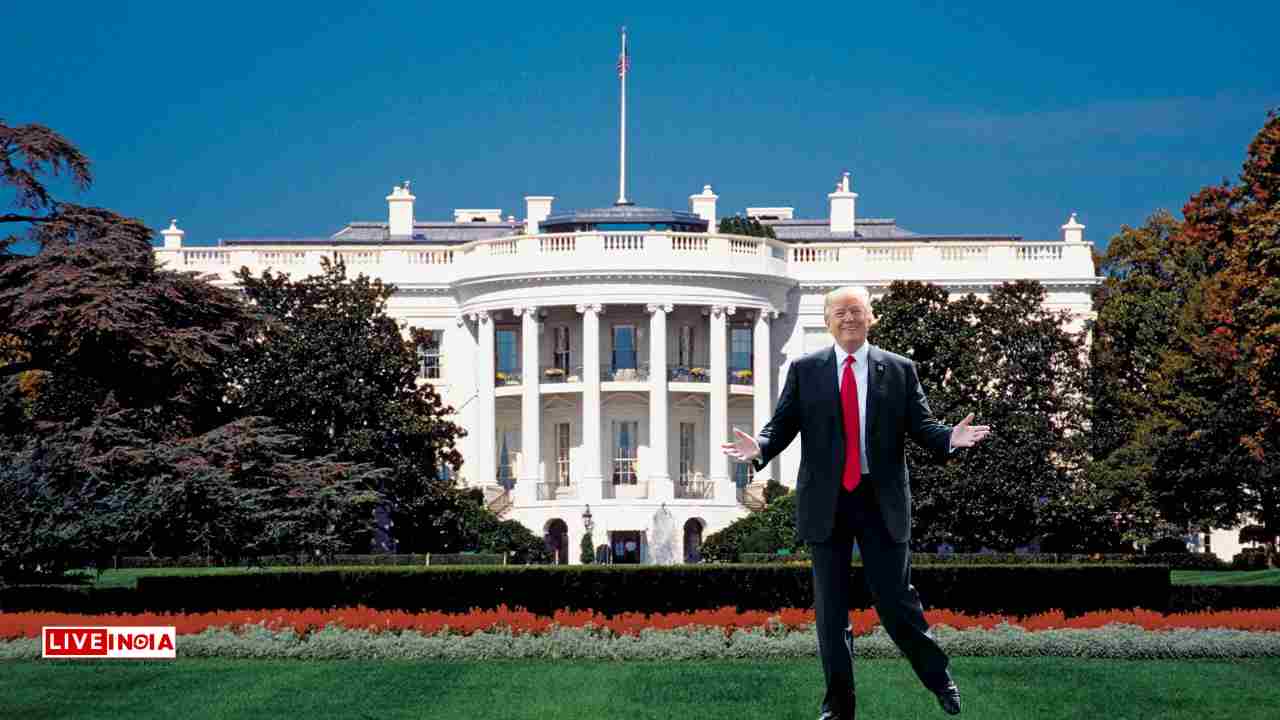


“Security First: Entry to the U.S. Will Be Earned, Not Given” – White House Official
New U.S. Travel Restrictions to Categorize Nations into Red, Orange, and Yellow Lists
📍 Washington, D.C., March 17 – The Donald Trump administration is considering a major expansion of travel restrictions that could impact citizens from as many as 43 countries, including Pakistan, Afghanistan, and Russia, according to a New York Times report citing anonymous officials.
🔹 Travel Ban Categories: Red, Orange, and Yellow Lists
✔️ 🔴 Red List: Countries facing a full travel ban, meaning citizens would be completely barred from entering the U.S.
✔️ 🟠 Orange List: Nations subject to restricted travel, where affluent business travelers may be allowed, but immigrant and tourist visa applicants will face tougher regulations.
✔️ 🟡 Yellow List: Countries given 60 days to improve security protocols or risk being moved to stricter categories.
🔴 Red List: Full Travel Ban Countries
Citizens from 10 countries will face a total visa suspension, including:
🇦🇫 Afghanistan
🇧🇹 Bhutan
🇨🇺 Cuba
🇮🇷 Iran
🇱🇾 Libya
🇰🇵 North Korea
🇸🇴 Somalia
🇸🇩 Sudan
🇸🇾 Syria
🇻🇪 Venezuela
🇾🇪 Yemen
🟠 Orange List: Restricted Travel
Countries on this list will face significant travel limitations, including mandatory in-person interviews for visa applications. Some business travelers may be permitted entry.
🌎 Nations on the Orange List:
🇵🇰 Pakistan
🇷🇺 Russia
🇲🇲 Myanmar
🇧🇾 Belarus
🇭🇹 Haiti
🇱🇦 Laos
🇪🇷 Eritrea
🇸🇱 Sierra Leone
🇸🇸 South Sudan
🇹🇲 Turkmenistan
🟡 Yellow List: Warning Zone
These 22 countries have been given 60 days to comply with U.S. security requirements—such as improving passport verification systems or stopping the sale of citizenship to banned countries—or risk being moved into stricter categories.
🌍 Nations on the Yellow List:
🇦🇴 Angola
🇦🇬 Antigua and Barbuda
🇧🇯 Benin
🇧🇫 Burkina Faso
🇰🇭 Cambodia
🇨🇲 Cameroon
🇨🇻 Cape Verde
🇹🇩 Chad
🇨🇬 Republic of Congo
🇨🇩 Democratic Republic of Congo
🇩🇲 Dominica
🇬🇶 Equatorial Guinea
🇬🇲 Gambia
🇱🇷 Liberia
🇲🇼 Malawi
🇲🇱 Mali
🇲🇷 Mauritania
🇰🇳 St. Kitts and Nevis
🇱🇨 St. Lucia
🇸🇹 Sao Tome and Principe
🇻🇺 Vanuatu
🇿🇼 Zimbabwe
🔹 Why These Travel Bans?
📌 Security Concerns: The U.S. claims that some countries fail to share critical security information about incoming travelers, have poor passport issuance practices, or sell citizenships to people from restricted countries.
📌 Counterterrorism Measures: The administration argues that these travel restrictions are essential to national security, preventing individuals from high-risk regions from entering the U.S. unchecked.
📌 Previous Precedent: Trump previously imposed a controversial travel ban on seven Muslim-majority countries in 2017, which was upheld by the Supreme Court in 2018 despite facing significant backlash.
🔹 Potential Legal Challenges & Global Reactions
💬 Human rights groups and Democratic lawmakers have strongly opposed such measures, calling them discriminatory and xenophobic.
💬 Several nations affected by the ban may retaliate by imposing visa restrictions on American travelers.
💬 The policy is expected to face legal challenges, similar to previous travel bans, with opponents arguing it violates international norms.
🚨 As discussions continue, the final decision on the travel ban is expected in the coming weeks.