



“Universal Injunctions Have Reached Epidemic Proportions,” Argues U.S. Justice Department
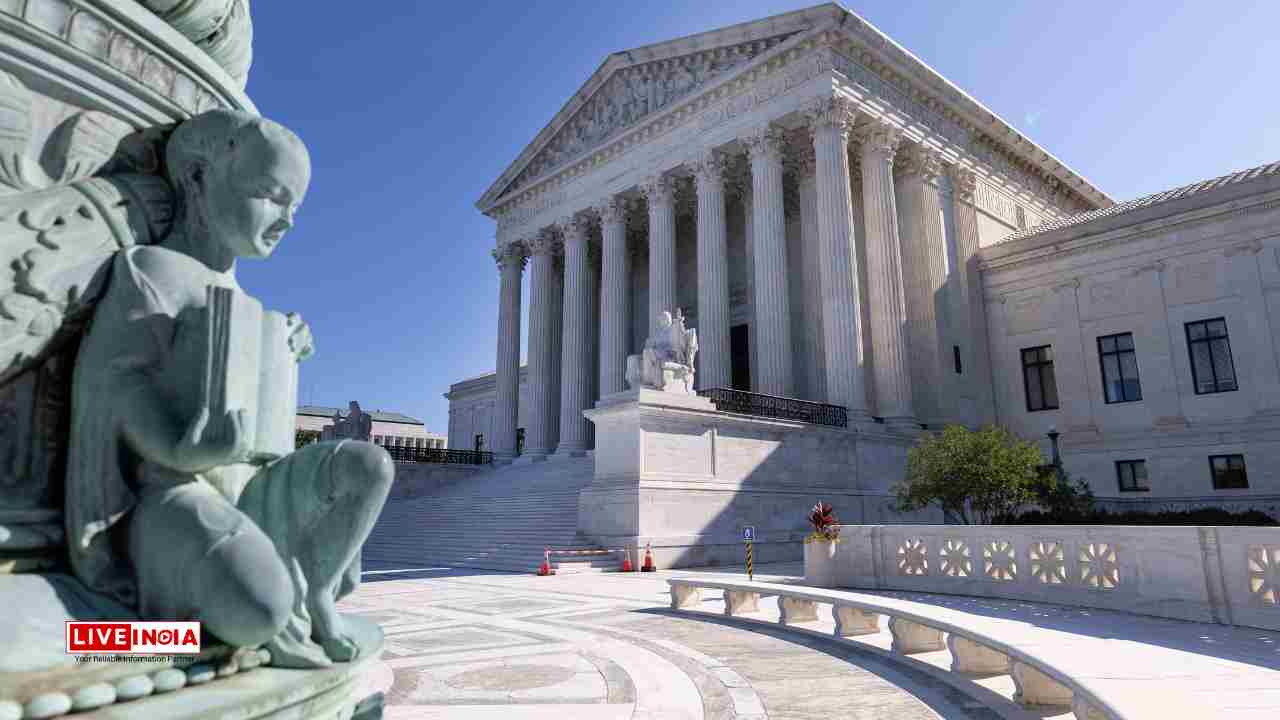
Washington, DC [US], March 14: In a bold legal move, the Trump administration has filed emergency appeals in the U.S. Supreme Court seeking permission to proceed with its controversial plan to end birthright citizenship, CNN reported.
The administration is challenging multiple lower court rulings that have blocked the executive order, arguing that these decisions have gone too far and requesting the Supreme Court to limit their impact.
📝 Trump’s Legal Battle Over Birthright Citizenship
The executive order, signed on January 20, aimed at denying automatic citizenship to children born in the U.S. to unauthorized immigrants or temporary visa holders. However, federal judges in Maryland, Massachusetts, and Washington swiftly blocked the order, deeming it “blatantly unconstitutional” and inconsistent with 250 years of American citizenship laws.
One Maryland judge explicitly ruled that the order “runs counter to our nation’s fundamental history of citizenship by birth.”
The Trump administration appealed these rulings, but the lower courts rejected the requests to lift the injunctions. Now, the administration has turned to the U.S. Supreme Court, making a “modest” request to limit the nationwide injunctions.
⚖️ Supreme Court’s Role & Justice Department’s Argument
The emergency appeals do not directly challenge the constitutionality of the policy. Instead, the Trump administration argues that the lower courts’ universal injunctions are excessive and should be restricted.
In its filing, the U.S. Justice Department stated:
📌 “Universal injunctions have reached epidemic proportions since the start of the current administration.”
📌 “These injunctions prohibit a Day 1 Executive Order from being enforced anywhere in the country, as to ‘hundreds of thousands’ of unspecified individuals who are ‘not before the court nor identified by the court.'”
The administration contends that the U.S. government wrongly interpreted the citizenship clause during the 20th century, allowing automatic citizenship even to children of undocumented immigrants. It claims this “policy of near-universal birthright citizenship” has incentivized illegal immigration.
🚨 What’s Next? Supreme Court’s Crucial Decision Looms
The Supreme Court is expected to issue a briefing schedule, requiring states, immigration groups, and plaintiffs challenging the policy to respond quickly.
If the Supreme Court grants the Trump administration’s request, the order could be enforced selectively, excluding those involved in ongoing litigation.
🔍 Trump’s Stance: Immigration Policy Takes Center Stage
Since taking office, President Donald Trump has aggressively pushed immigration restrictions, arguing that birthright citizenship fuels illegal immigration.
📌 The executive order applies to children born after February 19 and does not apply retroactively.
📌 Trump has consistently stated that the U.S. should “end automatic citizenship for illegal immigrants’ children”, calling it a loophole that needs to be closed.
📌 The administration believes that Congress never intended the 14th Amendment to guarantee birthright citizenship to children of non-citizens.
🏛️ A Defining Legal Battle Awaits
The Supreme Court’s ruling on this case could reshape U.S. immigration laws and constitutional rights for generations. With legal challenges mounting, the fate of birthright citizenship now rests in the hands of the nation’s highest court.
🔖 Tags:
Trump Administration, Birthright Citizenship, U.S. Supreme Court, Immigration Policy, 14th Amendment, Donald Trump, Immigration Reform, Executive Order, U.S. Justice Department, Legal Battle