
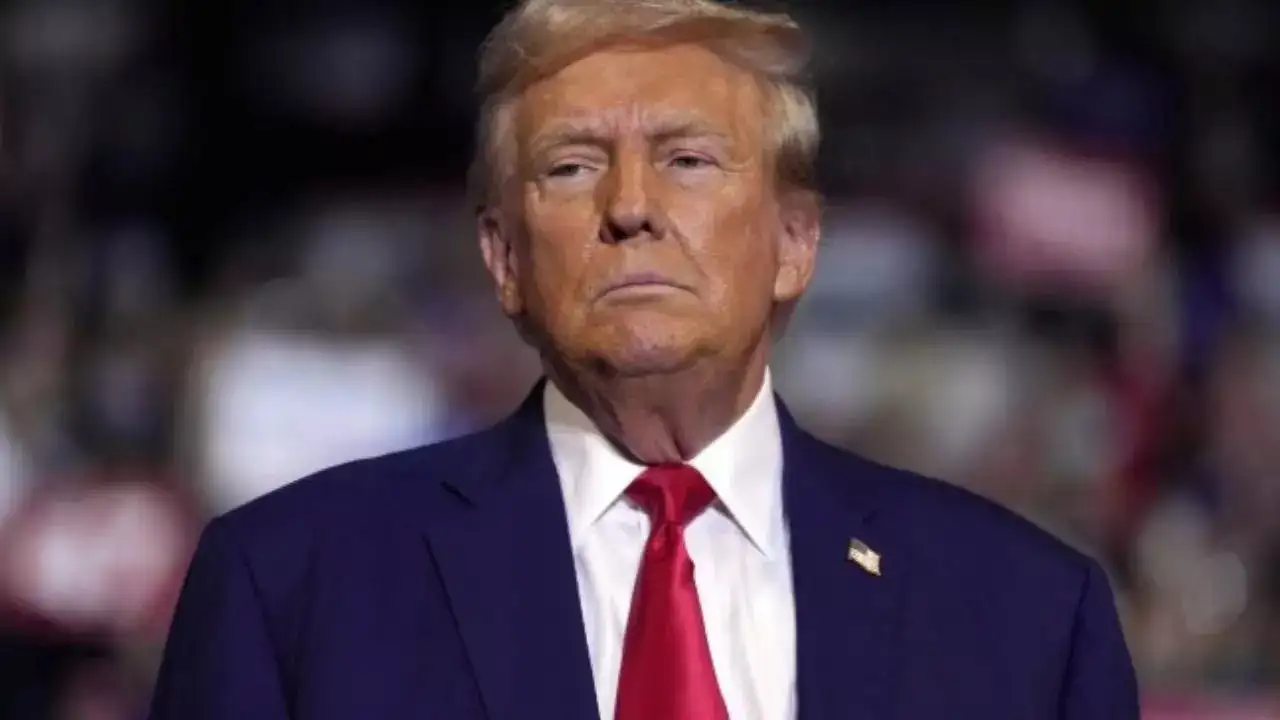


May 05, 2025: In a late-night Truth Social post that stunned the entertainment world, former President Donald Trump declared he would impose a 100% tariff on all movies made outside the United States, a radical shift in policy that threatens to upend how the global film business operates.
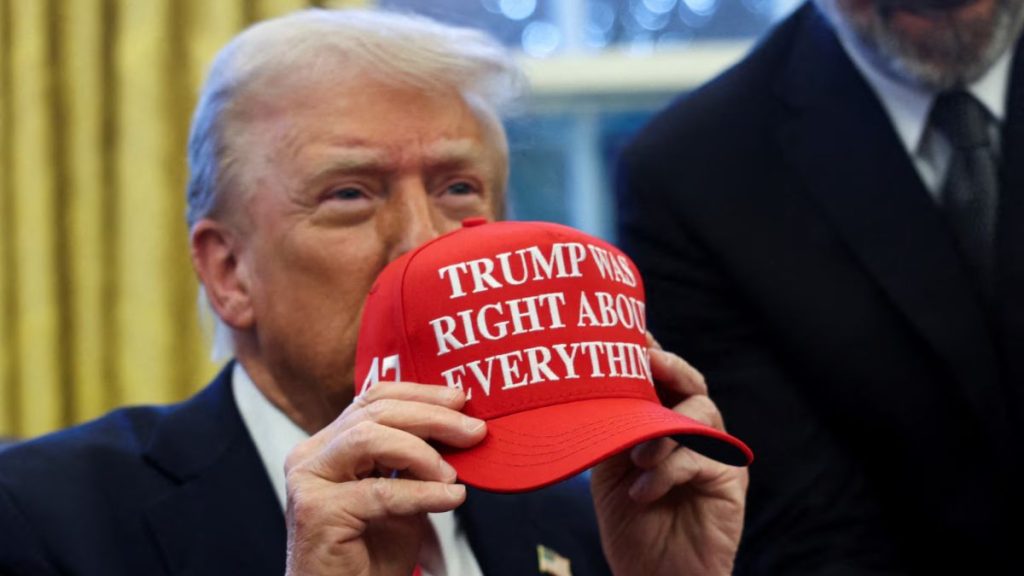
For weeks, the movie industry had felt somewhat insulated from Trump’s aggressive “Liberation Day” tariffs, assuming that films — classified as services rather than goods — were safe. Moreover, Hollywood has long enjoyed a rare U.S. trade surplus, exporting blockbusters globally while importing relatively little. But that assumption ended Sunday when Trump alleged a “national security threat” from foreign film incentives, claiming they are devastating American production.
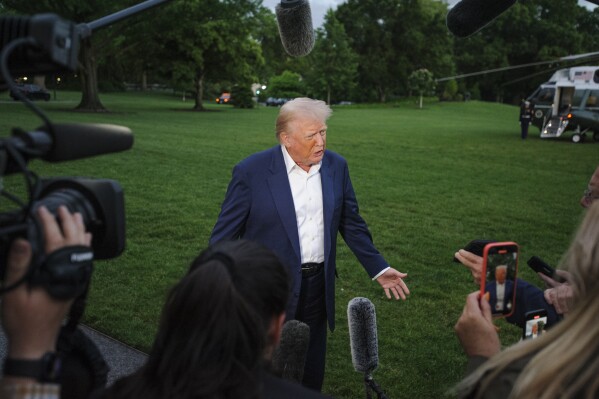
“WE WANT MOVIES MADE IN AMERICA, AGAIN!” Trump wrote in all caps, authorizing the Department of Commerce and USTR to begin implementing the policy.
Commerce Secretary Howard Lutnick confirmed, simply stating on X: “We’re on it.”
Trump’s announcement reportedly follows lobbying from actor Jon Voight and manager Steven Paul, who have pitched ideas to incentivize U.S.-based filmmaking. Trump, instead, appears to be using his preferred tool: tariffs, punishing studios for going abroad rather than rewarding them for staying stateside.
Now, panic is spreading through Hollywood and beyond. Here are eight key questions the industry is urgently asking — and dreading — as it tries to understand the potential consequences of this bombshell proposal:
1. Which Movies Will Be Hit — and Will the Tariffs Be Retroactive?
Studios routinely shoot big-budget films overseas for both scenic value and substantial financial rebates. For example, Avatar, Mission: Impossible, and Minecraft have all benefited from foreign tax incentives. If Trump’s tariff applies retroactively — to films already shot or in production — the financial hit could be massive.
But definitions remain murky:
- Does a single foreign scene qualify a film for tariffs?
- Is there a budget threshold tied to foreign spending?
- Could a movie shot entirely in the U.S. still be affected if post-production happened abroad?
No answers yet — and that uncertainty is spooking the studios.
2. What About Netflix and Streaming Services?
While Trump singled out “movies,” industry insiders worry that series and streaming content will also be affected. Netflix’s global hits like Squid Game, The Crown, and Money Heist could be on the chopping block.
But how do you even calculate tariffs on subscription-based platforms? Would Netflix be taxed on a percentage of revenue linked to foreign-made shows? What about catalog titles from years ago? The policy risks becoming administratively unworkable.
3. Will This Actually Bring Production Back to the U.S.?
Trump’s complaint that U.S. film production is dying isn’t unfounded. Filming in L.A. is down over 22% this year, and many projects have migrated to cheaper regions like Canada, the U.K., and Eastern Europe.
But the reason is cost, not ideology. Without federal tax incentives, shooting in America remains 30-40% more expensive than abroad. Tariffs may dissuade foreign shoots, but unless they’re coupled with domestic rebates, studios could simply slash budgets or digitize more content, pushing out smaller filmmakers entirely.
4. Will Other Countries Retaliate?
Here’s where Hollywood might feel the most pain. Unlike physical goods, where the U.S. runs a deficit, America dominates entertainment exports. In Europe alone, U.S. films made up over 70% of all cinema admissions last year.
If the EU or other countries respond with retaliatory tariffs on Hollywood films, U.S. blockbusters could see their foreign box office revenues crushed, just as they’re still recovering post-pandemic.
5. What Happens to Foreign-Language Films in the U.S.?
Distributors like Neon, Mubi, and Sony Pictures Classics already face tight margins acquiring international films. If tariffs double the cost of releasing acclaimed foreign titles like Parasite or Anatomy of a Fall, they may stop buying them altogether.
That would effectively wall off American audiences from much of the world’s best cinema — a cultural isolation that critics warn could damage the intellectual and artistic diversity of U.S. film culture.
6. Is Global Post-Production at Risk?
Visual effects and editing are often outsourced to world-class studios like Weta FX in New Zealand, Framestore in the U.K., and Scanline in Canada. If Trump’s tariff applies to post-production as well, the impact could be devastating.
Post-production is arguably the most internationalized part of filmmaking. Repatriating it without matching quality or incentives would inflate costs and delay production timelines.
7. Can International Co-Productions Survive?
Mid-budget and indie films depend on foreign co-productions to stay afloat. A film like The Brutalist, which utilized a mix of U.S., Hungarian, and U.K. subsidies to shoot in Budapest, could not exist under this model.
If tariffs make those structures untenable, dozens of upcoming Cannes market films — most with some form of cross-border financing — may collapse in development. This could hollow out the indie film ecosystem that already struggles to compete with franchises.
8. Has Trump Just Killed the Cannes Market?
The Cannes Film Festival is less than two weeks away, with buyers, sellers, and producers descending to make international deals. But now? With tariff fears looming, buyers may pull back, unable to risk acquiring foreign films that might soon be taxed at 100%.
The Marché du Film, the business engine behind Cannes, could suffer a massive blow — ironically from a policy that claims to support filmmaking.
Final Take:
While Trump’s movie tariff announcement may still be more bluster than policy, the industry is taking it seriously — and scrambling to prepare. Studios, streamers, and indie producers now face a future clouded by economic risk, regulatory confusion, and cultural contraction.
Whether this proposal becomes law or not, its ripple effects are already being felt in boardrooms, studios, and screening rooms across the globe.