
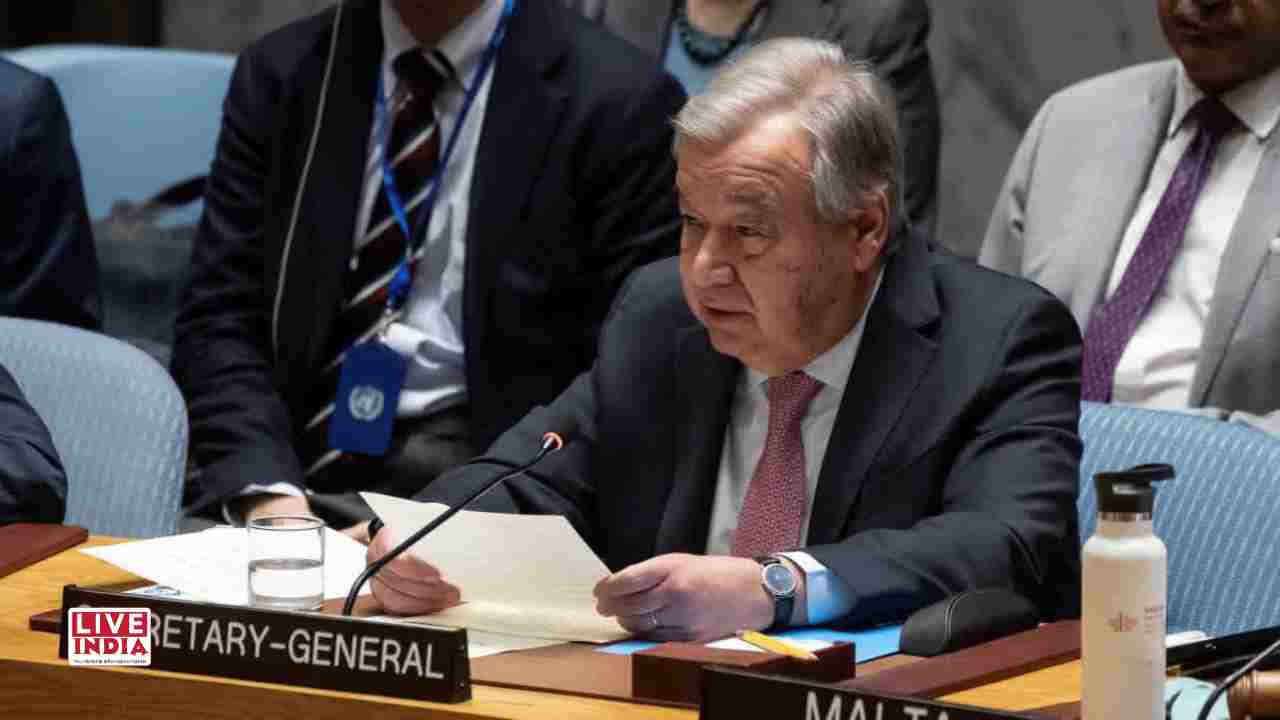


UN Secretary-General Antonio Guterres condemns civilian killings, calls for peaceful resolution amid rising regional tensions after deadly strike in Pahalgam
New York [US], April 25:
In the wake of the brutal Pahalgam terror attack that claimed 26 lives, UN Secretary-General Antonio Guterres has expressed deep concern and called on both India and Pakistan to exercise maximum restraint to avoid further escalation.
During his daily press briefing, UN Spokesperson Stephane Dujarric reiterated the global body’s strong condemnation of the attack, while underscoring the urgent need for peaceful dialogue between the two nuclear-armed neighbours.
“We were very clear in our condemnation of the terror attack that occurred in Jammu and Kashmir. But we very much appeal to both the Government of Pakistan and the Government of India to ensure the situation does not deteriorate further,” said Dujarric.
He reaffirmed that issues between the two nations should be resolved through meaningful engagement, not conflict.
🕯 UN Condemns Civilian Killings
Secretary-General Guterres termed the targeting of civilians “unacceptable under any circumstances” and extended heartfelt condolences to the families of the victims. The April 22 attack in Pahalgam, where terrorists opened fire on tourists at Baisaran meadow, is being described as one of the deadliest incidents in Kashmir since 2019.
🔺 India Responds with Firm Diplomatic Measures
Following the attack, India took a series of strong countermeasures:
- Suspension of the Indus Waters Treaty signed in 1960.
- Closure of the Attari Integrated Check Post.
- Cancellation of all SAARC Visa Exemption Scheme (SVES) entries for Pakistani nationals, giving them 48 hours to leave.
- Reduction in diplomatic strength at both Indian and Pakistani High Commissions.
Dujarric, when asked about India’s decision to suspend the Indus Waters Treaty, declined to comment directly but said,
“This would go under the rubric of us appealing for maximum restraint and not taking any actions that would deteriorate the situation further.”
🛑 Background: The Indus Waters Treaty
Signed in 1960 with World Bank mediation, the Indus Waters Treaty has long been considered a cornerstone of Indo-Pak water cooperation, allocating:
- Eastern Rivers (Ravi, Beas, Sutlej) to India
- Western Rivers (Indus, Jhelum, Chenab) to Pakistan
The treaty has withstood wars and diplomatic strains, but recent developments mark a significant turning point in India’s stance toward Pakistan’s alleged support of cross-border terrorism.
As global powers watch the situation unfold, the United Nations has positioned itself as a voice of caution—calling for diplomacy, accountability, and de-escalation in a region where tempers, and stakes, are high.