
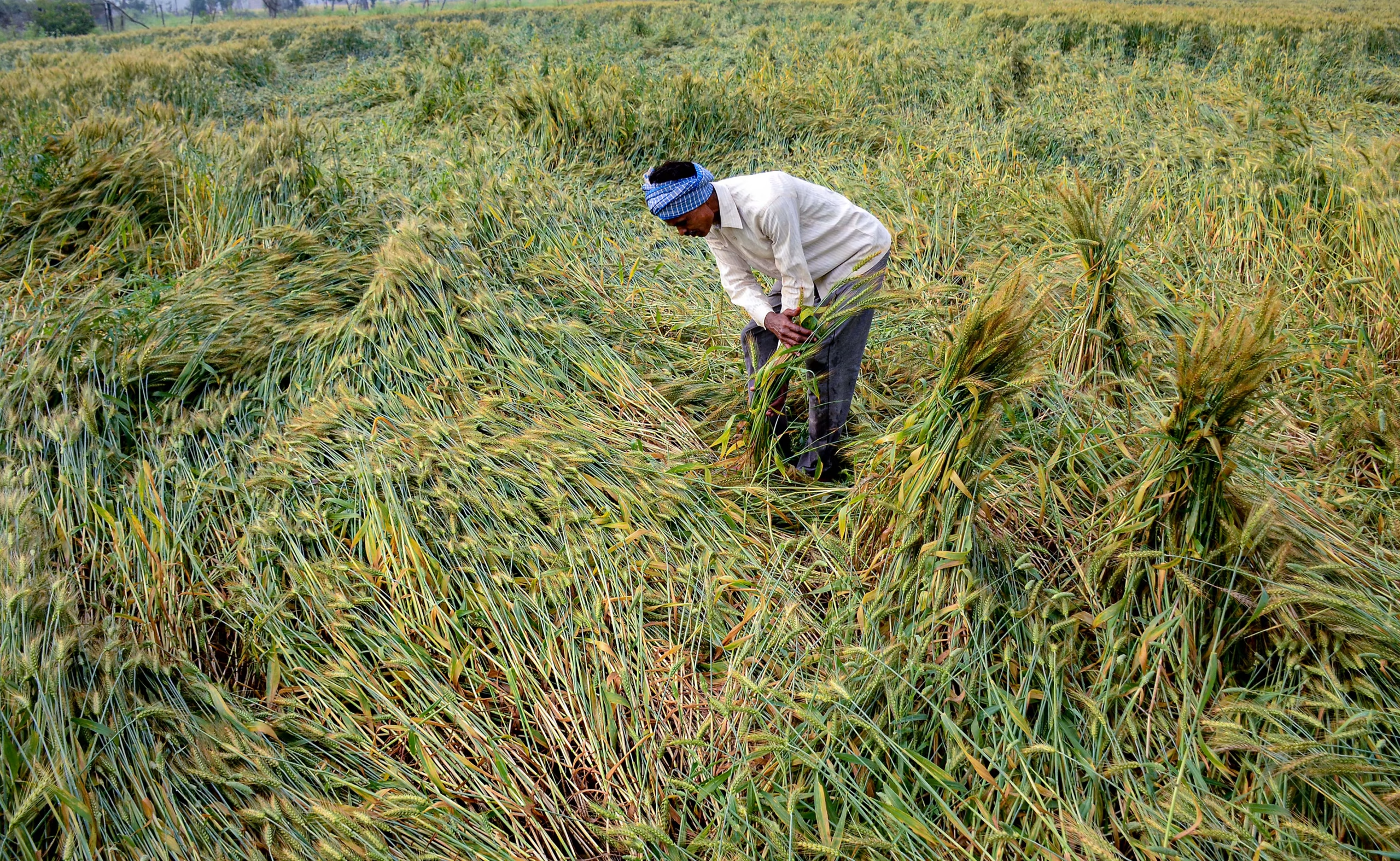


A sudden spell of unseasonal rain in early April has brought temporary relief from rising temperatures in several cities, but it has simultaneously triggered widespread distress among farmers as standing rabi crops suffer heavy damage due to hailstorms and strong winds.
Residents in Delhi-NCR, including Noida, witnessed dust storms, gusty winds, and hazy skies following a sharp weather shift. The capital had recorded a high of 36.8°C a day earlier, well above normal levels, before cooler winds ranging between 20–30 km/h, with gusts up to 40 km/h, provided respite from the heat.
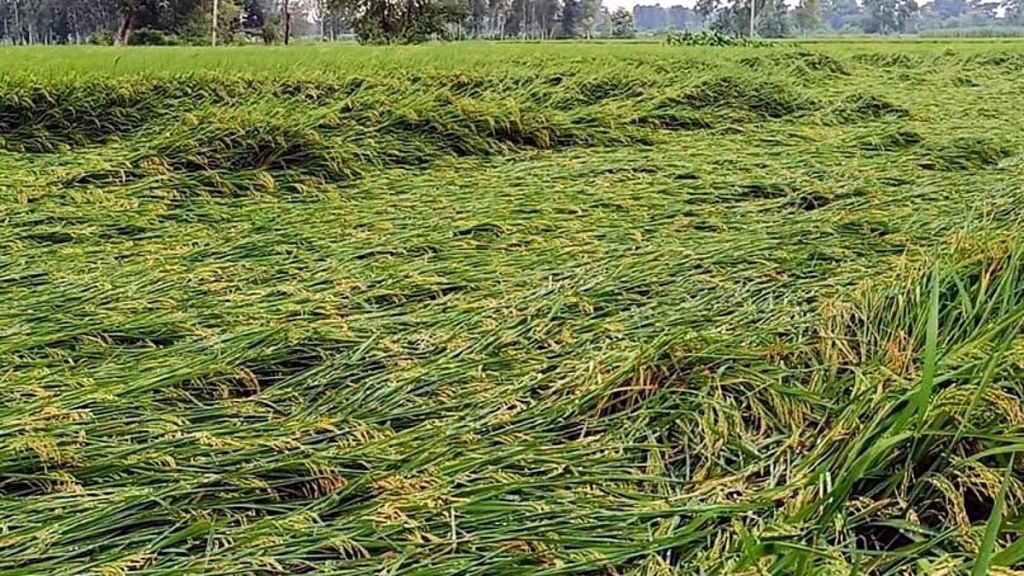
However, the changing weather pattern—linked to a broader atmospheric disturbance across northern India—has had severe consequences in rural areas.
Farmers Face Major Crop Losses
Farmers across multiple states, including Haryana and Uttar Pradesh, have reported significant damage to key rabi crops such as wheat, mustard, gram, and arhar due to heavy rain and hailstorms during the crucial harvest period.
In Jhajjar, Haryana, a farmer said nearly 80–90% of his crop had been destroyed, raising concerns over both yield and market value. Similar distress was echoed in Prayagraj, where farmers highlighted losses affecting not just current income but also their ability to prepare for the next sowing season.
Agriculture remains the backbone of rural livelihoods, covering essential expenses such as education, weddings, and daily household needs. Crop losses at this stage threaten financial stability for many families.
Demand For Compensation Grows
With losses mounting, farmers have urged governments to conduct immediate damage assessments and provide timely compensation. Responding to the situation, Rajasthan Chief Minister Bhajanlal Sharma has directed district authorities to carry out surveys and submit reports on crop damage.
Maharashtra Revenue Minister Chandrashekhar Bawankule also assured that affected farmers would receive compensation after prompt inspections.
What Are Rabi Crops?
Rabi crops are winter-sown crops planted between October and December and harvested during spring, typically between March and April. This makes them particularly vulnerable to unexpected weather changes during the harvesting phase.
While urban areas may welcome the cooler temperatures, the erratic weather underscores a growing climate challenge—where short-term relief for cities often comes at a heavy cost for the agricultural sector.