
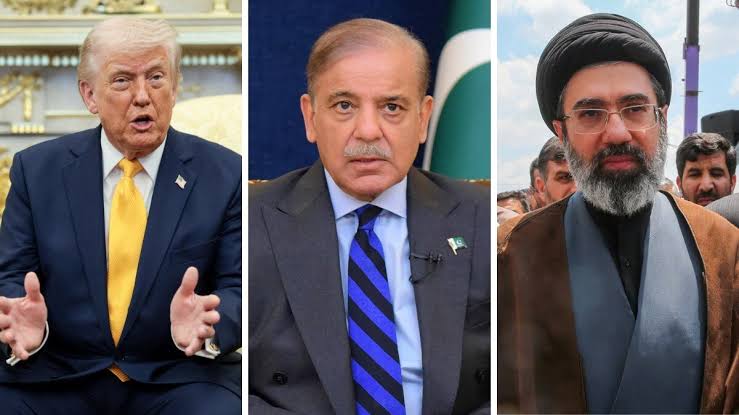


The United States and Iran are set to hold their first direct talks since the recent conflict, with Pakistan hosting high-stakes negotiations in its capital, Islamabad. While a fragile ceasefire has created an opening for diplomacy, several complex issues threaten to derail any meaningful breakthrough.
Led by Vice President JD Vance on the American side and senior Iranian leadership, the talks mark a crucial moment in determining whether tensions can ease or escalate further.
1. Conflicting Proposals And Lack Of Common Ground
Even before formal discussions begin, both sides appear divided over the basic framework of negotiations. Competing proposals—reportedly a 10-point plan from Iran and a separate US framework—highlight a significant gap in expectations.
With neither side publicly confirming details, establishing a shared agenda itself remains a major challenge.
2. Deadlock Over Nuclear Programme
At the heart of the conflict lies Iran’s nuclear ambitions. The US is pushing for a complete halt to uranium enrichment and dismantling of key facilities.
Iran, however, maintains that enrichment for civilian purposes is its sovereign right under international law. This fundamental disagreement continues to be one of the biggest obstacles to any agreement.
3. Missile Programme And Military Presence Dispute
Washington wants strict limits on Iran’s missile and drone capabilities, viewing them as a threat to regional stability. Tehran, on the other hand, considers its missile programme essential for national defence and refuses to negotiate on it.
Additionally, Iran is demanding a reduction of US military presence in West Asia, a move the US sees as incompatible with its security strategy in the region.
4. Strait Of Hormuz Tensions
The strategically vital Strait of Hormuz remains a key flashpoint. Responsible for nearly 20% of global oil transport, disruptions here have already impacted global markets.
Iran has linked reopening the route to broader ceasefire conditions and has even floated the idea of imposing transit fees—further complicating negotiations and raising global economic concerns.
5. Sanctions Relief Standoff
Iran has made it clear that lifting US sanctions is a non-negotiable condition for any long-term deal. Years of economic restrictions have significantly impacted its economy.
However, the US is expected to tie any sanctions relief to concessions on nuclear and military fronts, making this a highly contentious issue.
6. Lebanon Conflict Spillover
The situation in Lebanon has added another layer of complexity. Iran insists that any ceasefire must include its ally Hezbollah, while the US and Israel have rejected this condition.
Ongoing military actions in Lebanon have already cast uncertainty over the talks, with Iran indicating it may not proceed with negotiations unless a ceasefire is ensured in the region.
Can Diplomacy Prevail?
Despite deep divisions, both nations have strong incentives to engage. The Islamabad meeting could serve as the starting point for a longer diplomatic process—but only if these core challenges are addressed.
While optimism exists in some quarters, the path to peace remains uncertain, with the outcome likely to shape regional stability and global geopolitics in the months ahead.