
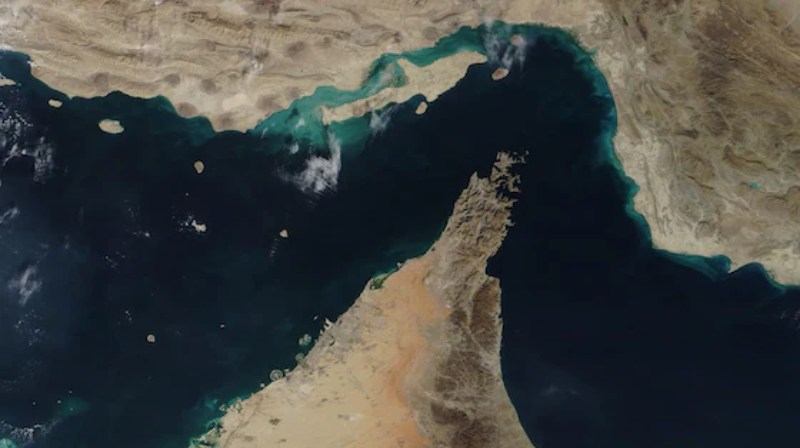


WASHINGTON / TEHRAN — A groundbreaking and controversial proposal has emerged from the newly minted two-week ceasefire between the United States and Iran: the introduction of transit fees for ships passing through the Strait of Hormuz. According to reports from AP and Reuters, the deal could allow Iran and Oman—the two nations flanking the 34km-wide chokepoint—to levy charges on vessels for the first time in the waterway’s history.
- A Shift in Maritime Law?
The proposal marks a radical departure from traditional international maritime customs.
The “Canal” Model: While man-made routes like the Suez and Panama Canals charge significant transit fees, natural straits like Hormuz are typically governed by transit passage rules under international law, which generally ensure free navigation.
The Proposed Fees: The fee structure is expected to vary based on the vessel type, cargo value, and prevailing security conditions.
Black Market Precedent: During the 40-day conflict, unconfirmed reports suggested some vessels were already paying up to $2 million in “protection fees” to secure passage from the IRGC. This new proposal would formalize and regulate such payments.
- Regional Pushback: Gulf Nations Cry Foul
While this move could potentially benefit Tehran and Muscat financially, neighboring energy exporters are raising concerns.
The Opposition: The UAE and Qatar have voiced strong opposition, demanding the restoration of “free navigation” as a prerequisite for any long-term deal.
The Argument: Gulf nations argue that financial mechanisms should only be discussed after the waterway is fully stabilized and reopened, fearing that fees will act as a permanent tax on their primary export.
- The “Islamabad Framework” & Trump’s Pause
The ceasefire, brokered by Pakistani Prime Minister Shehbaz Sharif and Field Marshal Asim Munir, has effectively hit the “pause” button on a conflict that was minutes away from an all-out escalation.
Trump’s Truth: President Trump confirmed he held off on a “destructive force” intended to strike Iranian bridges and power plants. He noted that Iran’s 10-point plan provides a workable basis for the upcoming talks in Islamabad this Friday.
Military Status: Trump described the truce as double-sided, asserting that the U.S. has already “met and exceeded all military objectives.”
Strategic Snapshot: The Strait of Hormuz (April 8, 2026)
| Feature | Data / Status | Impact |
| Daily Oil Flow | ~20% of global supply | Vital for global energy price stability. |
| Narrowest Point | 34 km | Highly vulnerable to naval blockades. |
| Current Status | Reopening | Subject to two-week ceasefire conditions. |
| Proposed Fee | Tiered (Vessel/Cargo) | Potential new revenue for Iran/Oman; cost for exporters. |