



Four-layer strategy, heavy strikes, and invasion signals raise stakes in Middle East conflict
March 31, 2026: As the conflict enters Day 32, Iran has activated a four-layer defence strategy amid fears of a possible ground operation by the United States on Kharg Island. The first layer focuses on intensified naval patrolling to track US movements, followed by large-scale troop mobilisation with reports of up to one million infantry being trained. The third layer includes preparations for extensive sea-mine deployment, while the fourth involves potential disruption of global communications through strategic control of undersea internet cables.
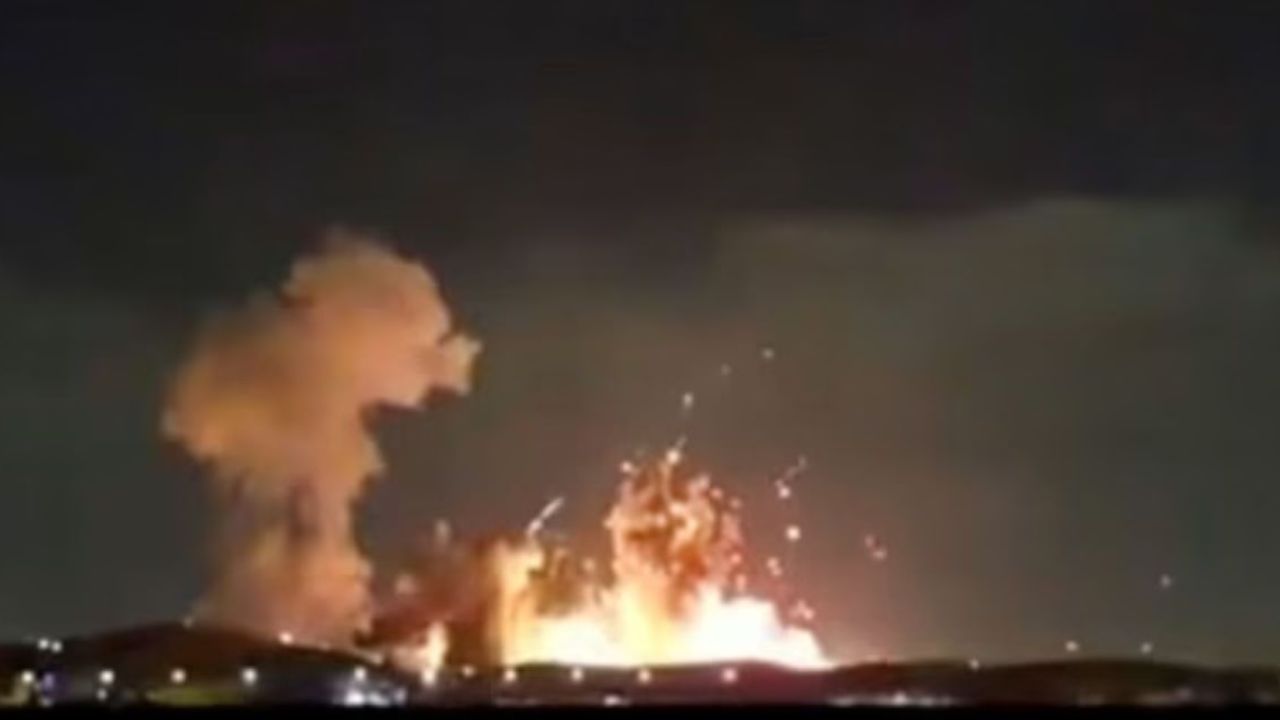
Meanwhile, the White House has indicated that Donald Trump has not ruled out “boots on the ground,” with the Pentagon preparing multiple operational scenarios. In a major escalation, US forces carried out a powerful strike on Isfahan, deploying 2,000-pound bunker-buster bombs to hit underground ammunition facilities. Trump also shared visuals of the massive explosions, underlining the scale of the operation.
Experts warn that a full-scale ground war could have devastating global consequences. Oil prices may surge beyond $100 per barrel, financial markets could face sharp disruptions, and the humanitarian toll—already exceeding 4,000 deaths in the Gulf region—may rise further. With reports suggesting the US is evaluating multiple entry routes through regional allies, the conflict is approaching a critical juncture with far-reaching economic and security implications.