
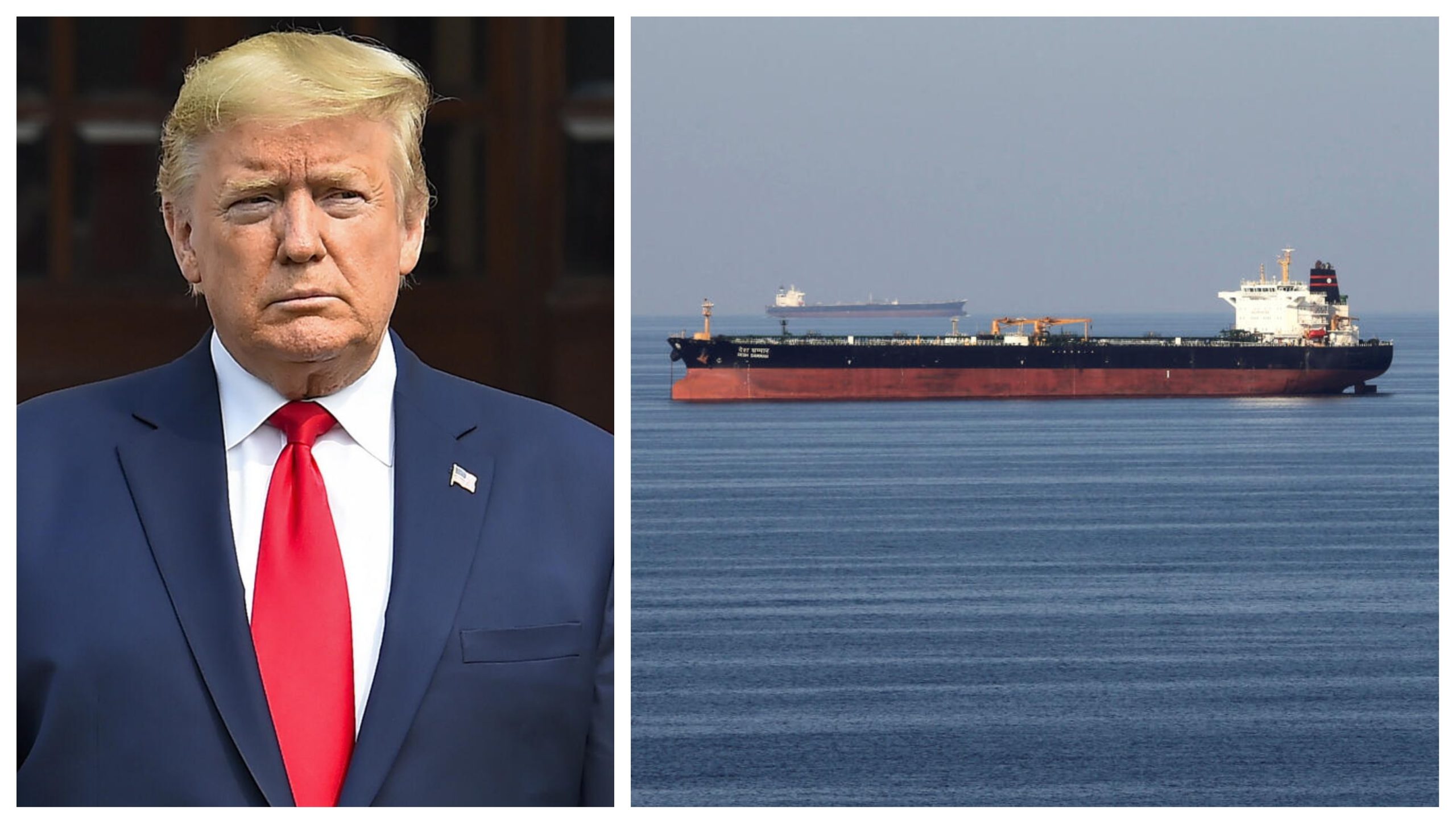


The United States faces growing diplomatic isolation within its own military alliance as key NATO allies have formally refused to participate in President Donald Trump’s naval blockade of the Strait of Hormuz. The blockade, scheduled to begin at 7:30 PM IST (10:00 AM ET) on Monday, marks a massive escalation in West Asia following the breakdown of ceasefire negotiations in Islamabad.
Allies Distance Themselves
Despite President Trump’s claims on Truth Social that “other countries will be involved,” major European powers have made it clear they will not provide military support.
- United Kingdom: Prime Minister Keir Starmer stated firmly to the BBC, “We’re not supporting the blockade… we’re not getting dragged into the war.”
- France: French officials have echoed similar sentiments, declining involvement in the maritime confrontation.
- Turkey: Foreign Minister Hakan Fidan advocated for a diplomatic resolution, emphasizing that the vital waterway should remain open through negotiation rather than force.
Friction Within NATO
This refusal adds significant strain to an already tense relationship between the Trump administration and NATO. The President has reportedly weighed pulling US troops from Europe and has criticized allies for denying US military planes the use of their airspace during recent operations against Iran.
Tehran’s Warning of Regional Retaliation
As the deadline for the blockade approaches, Iran has issued its most severe warning yet. The Iranian Armed Forces Central Headquarters stated that maritime security is “collective,” warning that if Iranian ports are targeted, “no port in the region will be safe.” This “everyone or no one” stance suggests that commercial hubs across the Persian Gulf and the Sea of Oman could become targets if the US moves forward with its plan to choke Iranian maritime trade.