
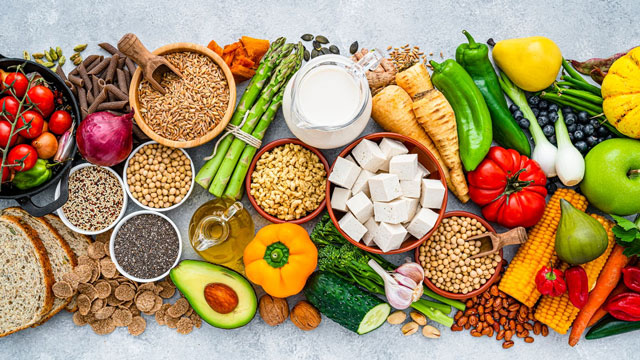


A major international study has found that vegetarian diets may significantly lower the risk of several types of cancer, offering new insights into the potential health benefits of plant-based eating.
The research, published in the British Journal of Cancer, analysed data from nearly 1.8 million participants across United Kingdom, United States, India, and Taiwan, making it the largest study to date examining the relationship between non-meat diets and cancer risk.
The study was led by researchers from the Oxford Population Health Cancer Epidemiology Unit and funded by the World Cancer Research Fund. It tracked nine large population groups over an average period of 16 years and analysed 17 different types of cancer.
Vegetarian Diets Linked to Lower Risk of Several Cancers
Researchers grouped participants into five dietary categories:
- Regular meat eaters
- Poultry eaters
- Fish eaters (pescatarians)
- Vegetarians (who consume dairy and eggs)
- Vegans
The findings showed that vegetarians had notably lower risks for several cancers when compared with regular meat eaters.
Overall, vegetarians demonstrated up to 31% lower risk for certain cancers. Specific reductions included:
- Pancreatic cancer: 21% lower risk
- Breast cancer: 9% lower risk
- Prostate cancer: 12% lower risk
- Kidney cancer: 28% lower risk
- Multiple myeloma: 31% lower risk
Pescatarians and poultry eaters also showed certain benefits, including reduced risks of colorectal and prostate cancers.
However, researchers noted one exception — vegetarians were found to have nearly double the risk of squamous cell oesophageal carcinoma, a specific type of oesophageal cancer.
Experts Suggest Meat Consumption May Play a Role
Tim Key, professor of epidemiology at the Nuffield Department of Population Health and co-author of the study, suggested that the observed differences might be related to meat consumption itself.
He noted that while vegetarians often eat healthier foods, the study did not directly examine whether the benefits came from eating more plant-based foods or from avoiding meat.
Why Plant-Based Diets May Reduce Cancer Risk
Researchers highlighted several reasons why plant-based diets may contribute to lower cancer risks.
Such diets typically include higher amounts of:
- Fruits
- Vegetables
- Whole grains
- Pulses and legumes
These foods are rich in fibre and antioxidants, which help reduce inflammation and support digestive health — both key factors in preventing cancers, especially those affecting the digestive system.
Avoiding red and processed meats may also reduce exposure to compounds such as heme iron and nitrates, which have been linked to tumour development.
Another contributing factor may be body weight. Vegetarian diets are often associated with lower Body Mass Index (BMI), and excess body weight is known to increase the risk of at least 13 different cancers.
Nutritional Gaps Could Explain Some Risks
Despite the benefits, the higher risk of certain oesophageal cancers among vegetarians raised concerns about possible nutrient deficiencies.
Researchers suggested that low levels of essential nutrients, such as vitamin B12, might contribute to the increased risk. Vegans also showed mixed outcomes, with some data indicating a higher risk of colorectal cancer — possibly due to lower calcium intake.
These findings highlight the importance of maintaining balanced nutrition even within plant-based diets.
Study Limitations and Cautions
While the results are significant, researchers emphasised that the study has certain limitations.
The research relied on self-reported dietary habits, which may change over time and can sometimes be inaccurate. Additionally, the study shows associations rather than direct cause-and-effect relationships.
Since the data included participants from diverse populations, results may not apply equally to all groups.
Researchers also stressed that overall diet quality matters more than simply avoiding meat. Balanced meals rich in plant-based nutrients and low in processed foods are key to reducing cancer risk.
Further clinical trials may help determine whether the protective effects come mainly from reducing meat consumption or increasing plant-based foods.
What the Findings Mean for India
The findings are particularly relevant for India, where an estimated 20–40% of the population follows vegetarian diets.
The study included data from around 10,000 Indian participants through the CARRS Study, covering urban centres such as Delhi.
With cancers such as breast, prostate, and colorectal cancers increasing due to urbanisation and lifestyle changes, researchers say the findings reinforce the value of traditional plant-based diets that include lentils, vegetables, and whole grains.
However, experts also warned that many vegetarian diets in India rely heavily on refined carbohydrates and fried foods, increasing risks of obesity and diabetes — both of which are linked to higher cancer risk.
To maximise benefits, researchers recommend:
- Increasing intake of fibre-rich vegetables
- Reducing fried and processed foods
- Monitoring vitamin B12 levels, especially for strict vegetarians
Disclaimer
This content provides general health information and research findings. It should not be considered a substitute for professional medical advice, diagnosis, or treatment. Always consult a qualified healthcare professional for personalised medical guidance.