
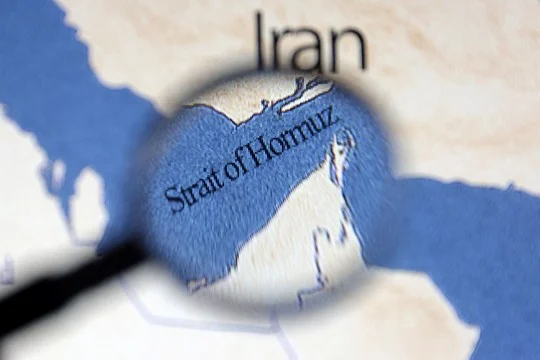


Iran’s blockade of the Strait of Hormuz — a critical route that carries nearly 20% of the world’s oil and gas — has sent shockwaves through global energy markets since the US-Israel conflict with Tehran began on February 28.
With oil prices surging past $100 per barrel and Asian economies scrambling to secure fuel supplies, the disruption has triggered emergency responses across the region. However, one major economy appears unusually resilient: China.
Global Energy Markets Under Stress
The near shutdown of the Strait has drastically reduced shipping traffic, with only a fraction of vessels managing to pass through amid strict Iranian controls and toll systems.
Countries dependent on Middle Eastern oil have been forced into urgent negotiations with Iran for safe passage, while others are implementing conservation measures to manage fuel shortages.
Despite being one of the largest importers of Gulf oil, China has managed to avoid immediate disruption — thanks to a long-term strategy that is now paying off.
The Role of ‘Teapot’ Refineries
At the heart of China’s resilience are its so-called “teapot” refineries — small, privately owned oil-processing units largely based in Shandong province.
These refineries, which account for roughly a quarter of China’s refining capacity, operate on thin margins but play a crucial strategic role. Unlike large state-owned firms, they have historically been willing to purchase heavily discounted oil from sanctioned countries such as Iran, Russia, and Venezuela.
This approach allowed China to quietly build up reserves using oil that much of the world avoided due to sanctions.
Massive Stockpiles Offer a Buffer
Over the years, China has accumulated a massive strategic petroleum reserve — estimated at over 1.2 billion barrels — providing more than three months of import cover.
These stockpiles have enabled Chinese refineries to maintain steady operations even as global supply chains face disruption. Analysts note that strong inventory levels have allowed refineries to continue functioning normally in the short term despite the Hormuz crisis.
But the Cushion Isn’t Permanent
While China’s preparation has bought it time, experts warn that the buffer is already beginning to thin.
Imports are showing signs of decline, and many shipments arriving now were contracted before the conflict escalated. At the same time, rising oil prices are making it harder for smaller refineries to continue buying crude.
Teapot refiners, in particular, are reportedly slowing purchases due to shrinking margins and increased costs — a sign that the current strategy may not be sustainable if the conflict drags on.
Shifting Energy Strategy
China has already begun adjusting its sourcing strategy. Imports of Russian crude have surged in recent months, highlighting Beijing’s effort to diversify supply amid uncertainty in the Middle East.
However, the country remains heavily dependent on the Gulf, with roughly half of its crude imports typically passing through the Strait of Hormuz.
A Temporary Advantage
For now, China’s combination of discounted oil purchases, strategic stockpiling, and flexible refining capacity has insulated it from the worst effects of the crisis.
But as the conflict shows no signs of easing and global supply chains remain under pressure, even Beijing’s carefully built energy buffer could face serious strain in the months ahead.