
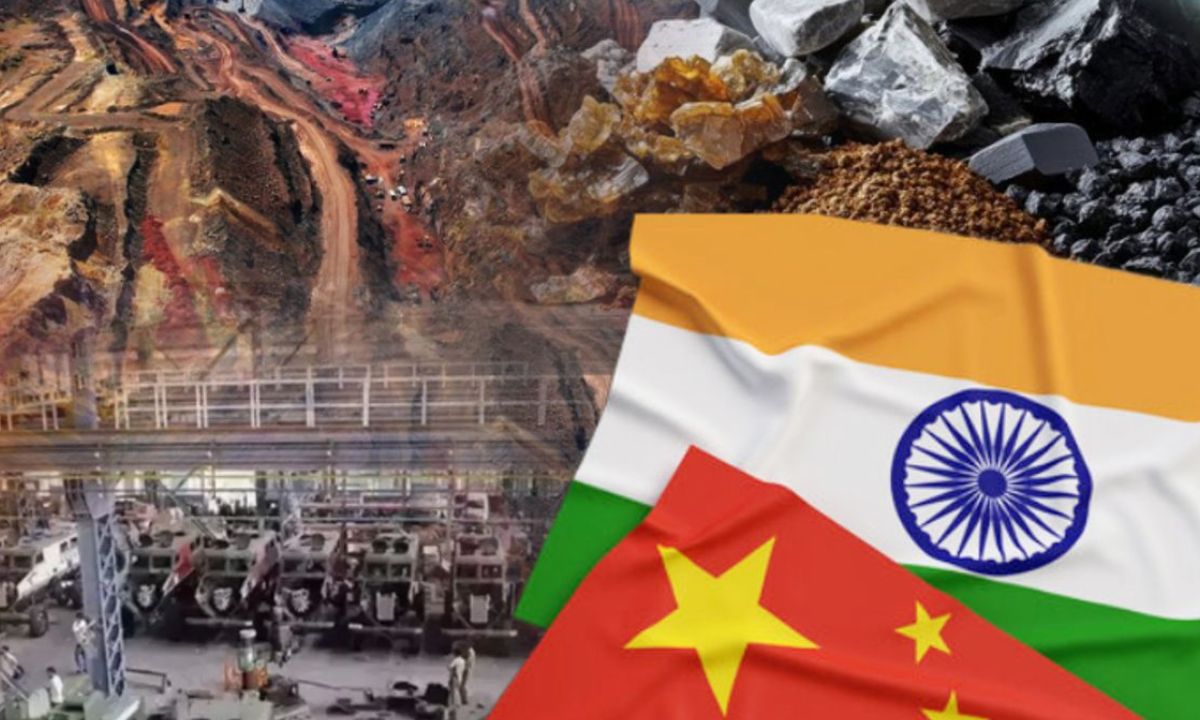


June 26, 2025: India is actively engaging with China to address the growing concern over rare earth material supply chains, confirmed the Ministry of External Affairs (MEA) during a weekly briefing. MEA spokesperson Randhir Jaiswal stated that India is in ongoing discussions with the Chinese government in both New Delhi and Beijing to “streamline supply chain issues” for critical rare earth elements.
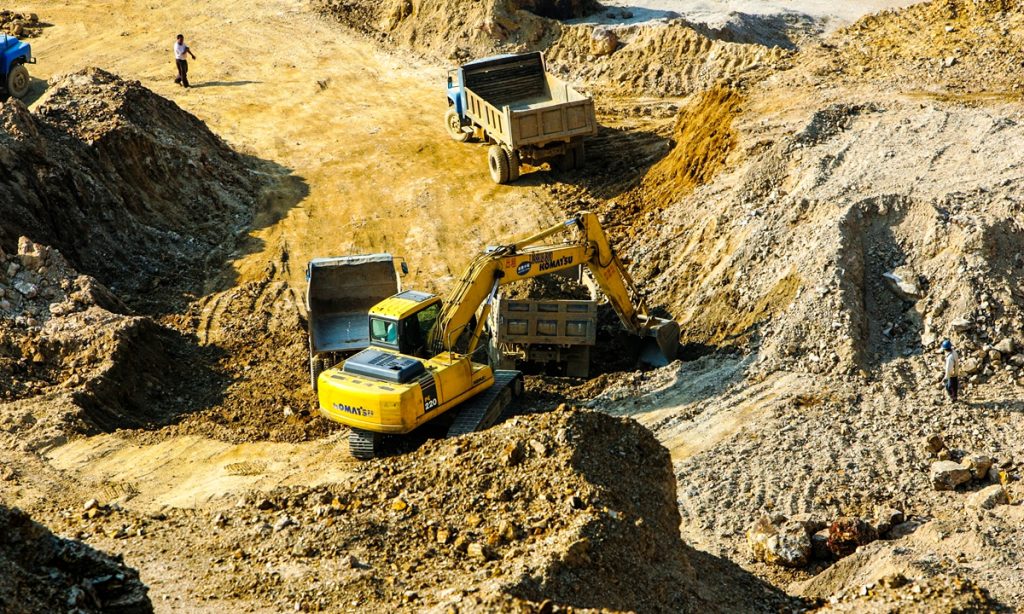
Commerce Secretary Sunil Barthwal echoed this on Monday, noting that India is working through both commercial and diplomatic channels to secure uninterrupted imports of rare earth minerals—vital components for sectors like electric vehicles, electronics, and clean energy. He added that India is also coordinating with auto industry bodies like SIAM and ACMA to facilitate industry-level dialogue with Chinese counterparts.
Also Read: Did Queen Máxima Just Mock Trump? Viral Video Sparks Laughter, Watch!
Barthwal clarified that China’s restrictions were part of a broader global move and not India-specific.
The situation has gained urgency since China’s new export curbs on certain rare earth materials took effect on April 4. These restrictions require special export licenses, tightening control over a market China already dominates—accounting for more than 90% of global magnet production capacity.
Highlighting the vulnerability, Commerce and Industry Minister Piyush Goyal recently called China’s export policy a “wake-up call” for the world. He reaffirmed India’s push to diversify its rare earth sources and establish itself as a reliable global supply chain partner.
India is also exploring international collaborations, most recently with Central Asian nations during the India-Central Asia Dialogue, where joint exploration of rare earth and critical minerals was discussed.
The stakes are high. Crisil Ratings warned last week that any disruption lasting over a month could derail EV production timelines and hinder the growth of India’s electric vehicle sector. Rare earth magnets—crucial to PMSM motors in EVs and hybrids—are especially at risk due to China’s dominance and the supply chain squeeze.