
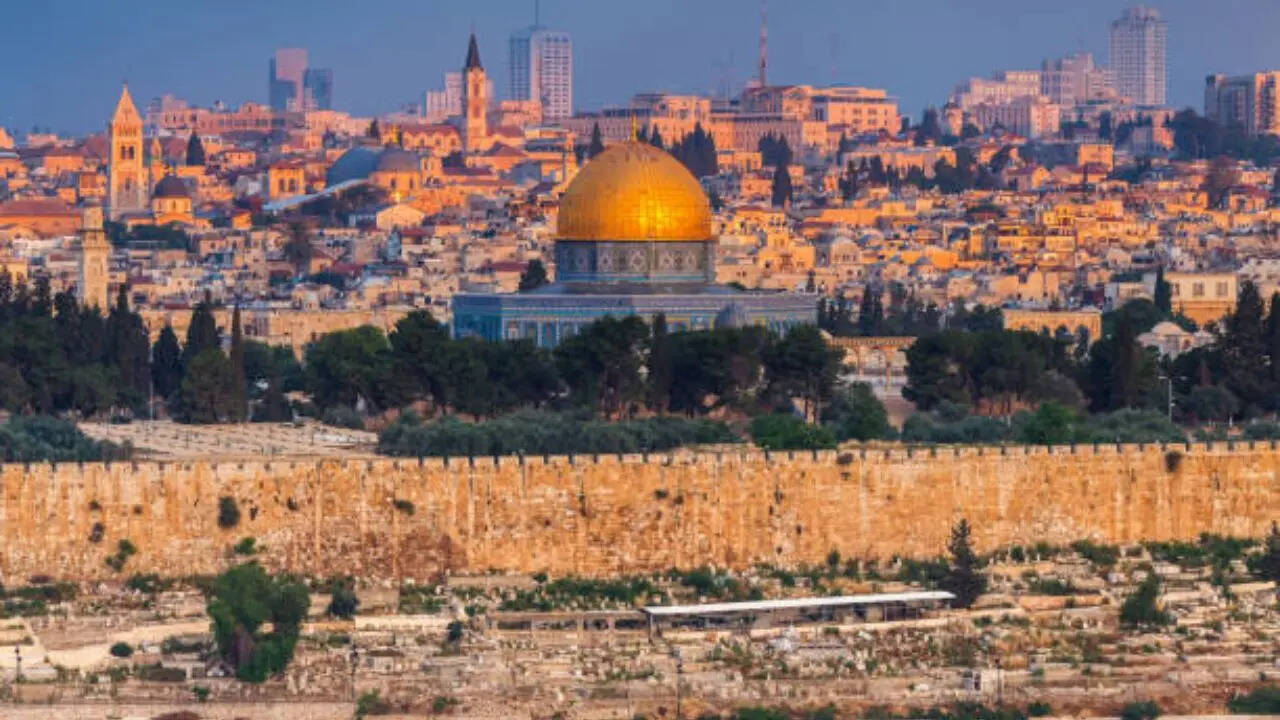


The historic Al-Aqsa Mosque in Jerusalem has reopened to worshippers after a 40-day closure, marking an emotional and significant moment for thousands of Muslims.
The reopening came shortly after a ceasefire between the United States and Iran, which eased tensions in the region. The mosque had been shut since February 28 due to security restrictions imposed by Israeli authorities amid the conflict.
Thousands Return for Prayers
Over 100,000 worshippers gathered at the mosque for Friday prayers, many expressing deep emotion, with scenes of people offering prayers of gratitude and shedding tears of relief as they entered the holy site.
One of Islam’s Holiest Sites
Also known as the Qibli Mosque, Al-Aqsa is the third holiest site in Islam after Masjid al-Haram and Al-Masjid an-Nabawi. It holds immense religious and historical significance and is central to Islamic heritage.
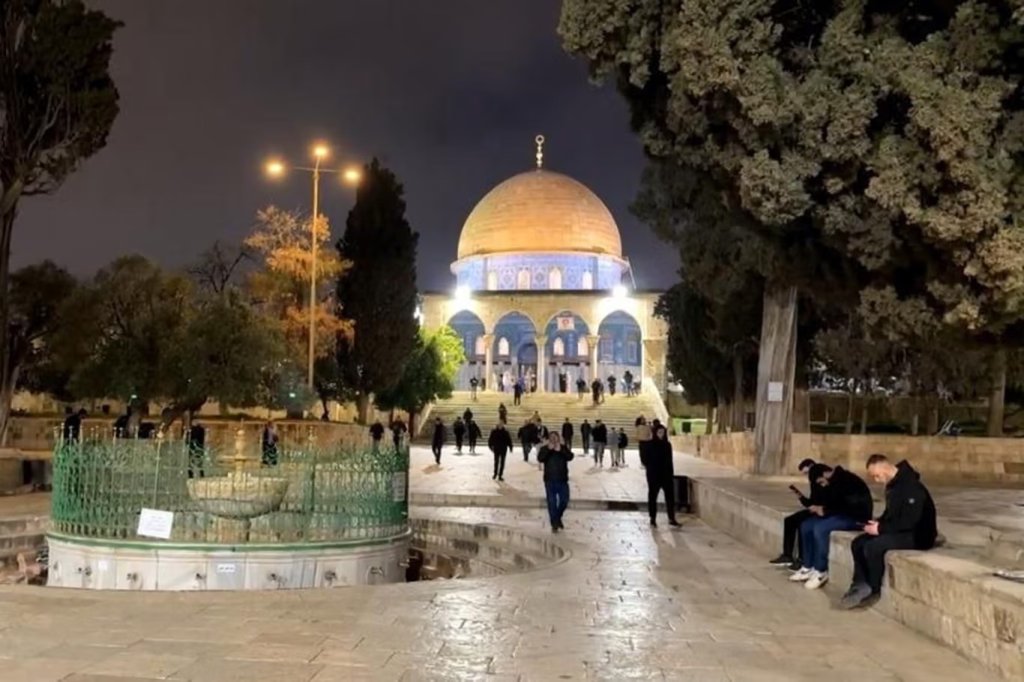
The mosque is located within the Al-Haram al-Sharif, a site revered by multiple religions. The compound also includes the iconic Dome of the Rock and several other religious structures.
A Site of Deep Historical and Religious Importance
The area is also known as the Temple Mount in Judaism, believed to be the location of ancient Jewish temples, making it one of the most sensitive and contested religious sites in the world.
Closure Linked to Ongoing Conflict
The mosque had remained closed to the public for over a month, with access restricted only to staff and officials. Notably, Eid al-Fitr prayers were not allowed at the site this year—an unprecedented move in recent times.
A Symbol of Hope Amid Tensions
The reopening of Al-Aqsa Mosque is being seen as a moment of relief and hope, even as broader geopolitical tensions continue to shape the region.