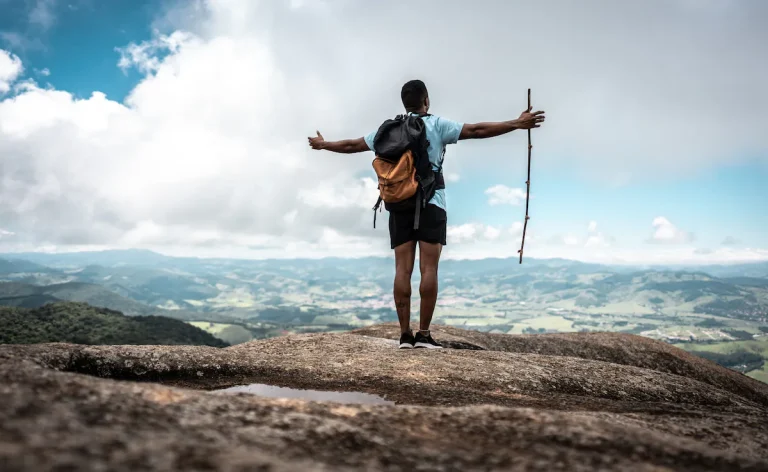
Solo travelling has become increasingly popular, especially among young travellers looking for freedom, adventure and self-discovery. From backpacking across countries to taking short weekend escapes, travelling alone is often seen as a deeply personal and empowering experience. Social media has further amplified the trend, with Instagram reels and travel vlogs showcasing stunning destinations, aesthetic cafés and seemingly effortless solo adventures.
But behind the perfectly curated travel content, solo travel can sometimes feel emotionally overwhelming. Spending long hours alone, navigating unfamiliar places, eating meals by yourself or dealing with quiet evenings can occasionally trigger loneliness.
The good news is that solo travel does not have to feel isolating. With a few thoughtful choices and realistic expectations, travelling alone can become one of the most rewarding and fulfilling experiences of your life.
Here Are 7 Practical Tips To Feel Less Lonely While Solo Travelling
1. Choose Accommodation That Encourages Social Interaction
Where you stay can significantly shape your travel experience. While hotels offer privacy and comfort, they may not always provide opportunities to meet new people.
Many solo travellers prefer accommodations that naturally encourage conversations and shared experiences, such as:
- Hostels with common lounges and community events
- Homestays hosted by local families
- Co-living spaces and social guesthouses
- Boutique hostels offering walking tours or group dinners
Shared environments often make interactions feel organic instead of forced. Even simple conversations in a common kitchen or lounge can make a solo trip feel far more connected.
2. Focus On Experiences Instead Of Just Sightseeing
Loneliness often creeps in during long idle hours or overly unstructured days. Instead of only checking tourist attractions off a list, include activities that involve participation and interaction.
Some great options include:
- Guided walking tours
- Cooking classes
- Local cultural workshops
- Group hikes or adventure activities
- Community events and art sessions
These experiences not only make your trip more memorable but also create opportunities to meet fellow travellers and locals naturally.
3. Go Out For Meals Instead Of Staying In
Eating alone may initially feel uncomfortable, especially for first-time solo travellers. However, dining out can eventually become one of the most enjoyable parts of travelling alone.
Exploring cafés, local eateries and street food spots helps you:
- Feel more connected to the destination
- Observe local culture and daily life
- Experience authentic food traditions
- Engage in casual conversations with locals
Over time, solo meals often shift from feeling awkward to becoming peaceful moments of self-reflection and enjoyment.
4. Stay Connected To Home — But Avoid Overdoing It
Staying in touch with family and friends can provide emotional comfort, particularly during longer trips. However, constantly scrolling through social media or remaining glued to your phone may prevent you from fully experiencing the journey.
A healthier balance could include:
- Scheduling occasional calls with loved ones
- Sharing updates without excessive posting
- Limiting doomscrolling and comparison on social media
- Spending more time being present in the moment
Solo travel often becomes more meaningful when you allow yourself to fully immerse in the experience instead of constantly seeking digital validation.
5. Learn To Enjoy Your Own Company
One of the biggest lessons solo travel teaches is how to become comfortable with solitude. At first, spending extended time alone may feel unfamiliar, but gradually it can become deeply freeing and peaceful.
Simple ways to embrace solitude include:
- Carrying a journal or book
- Spending quiet time in parks or cafés
- Taking slow walks without rushing
- Watching sunsets or exploring local markets mindfully
Many travellers eventually realise that being alone does not necessarily mean feeling lonely.
6. Start Small Conversations
You do not need to be highly extroverted to feel socially connected while travelling alone. Even brief interactions throughout the day can make your journey feel warmer and more engaging.
You can start conversations with:
- Café owners and restaurant staff
- Fellow travellers in hostels
- Tour guides
- Local shopkeepers
- People during group activities
Small exchanges often become some of the most memorable parts of solo travel.
7. Avoid Overpacking Your Schedule
Some solo travellers try to avoid loneliness by keeping themselves constantly busy. But overplanning every hour of the day can quickly become exhausting.
Instead, try to:
- Leave room for spontaneous plans
- Keep some downtime in your itinerary
- Allow yourself to rest without guilt
- Accept quiet moments as part of the experience
A slower and more balanced trip often feels more enjoyable than a rushed itinerary filled with constant activity.
Why Solo Travel Gets Easier Over Time
The first solo trip is usually the hardest because everything feels unfamiliar — making decisions alone, navigating new places and handling emotions independently. But confidence builds surprisingly fast with experience.
Over time, solo travel can help you:
- Become more independent
- Improve problem-solving skills
- Build emotional resilience
- Adapt comfortably to unfamiliar situations
- Travel with greater confidence and self-awareness
What initially feels intimidating often turns into one of the most transformative and rewarding experiences.
Final Thoughts
Solo travel does not mean you must feel lonely throughout the journey. With mindful planning, balanced social interaction and realistic expectations, travelling alone can become deeply fulfilling and emotionally enriching.
Instead of trying to avoid solitude completely, learning to embrace parts of it often becomes the most valuable takeaway from the experience.