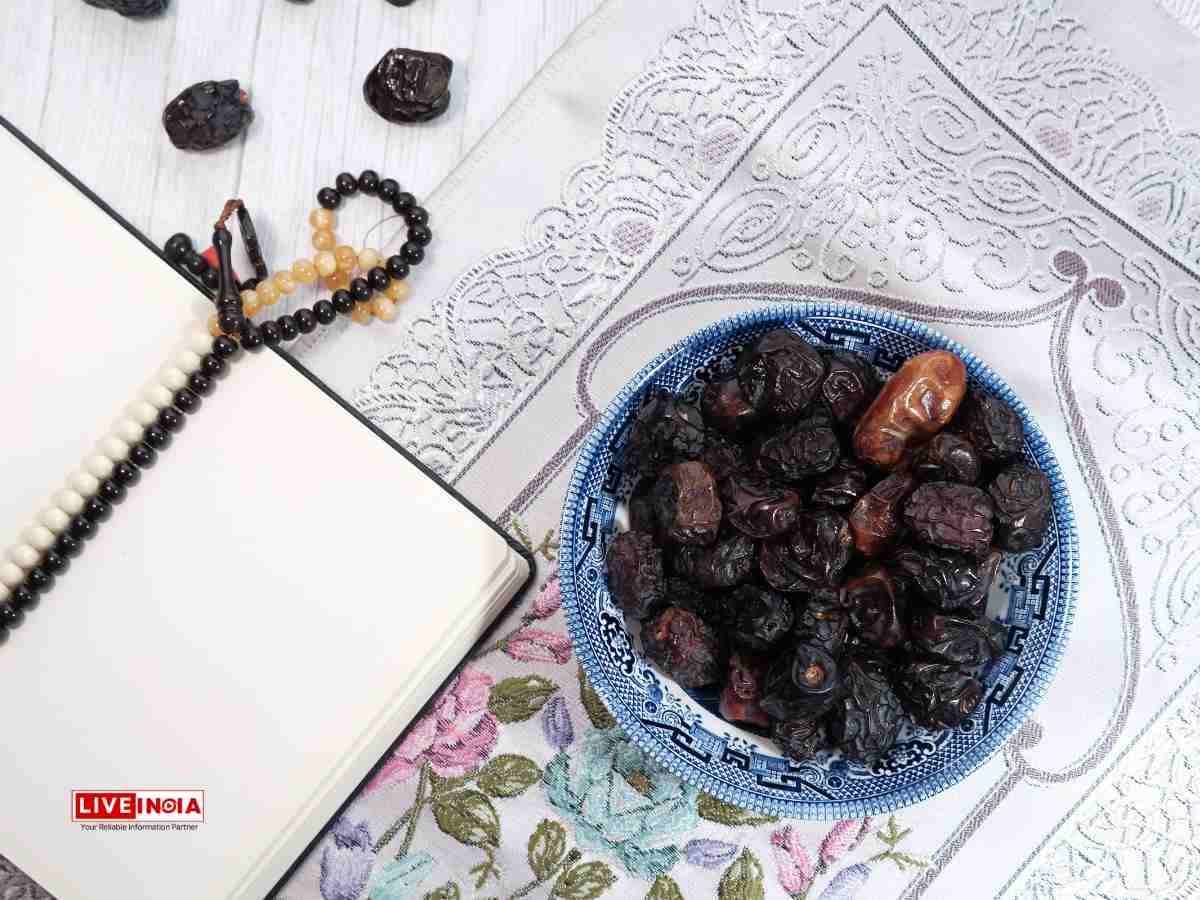
The Sacred Sweetness: Importance of Dates in Ramadan Fasting
Ramadan, the holiest month in Islam, is a time of fasting, prayer, reflection, and charity. During this period, Muslims fast from dawn to dusk, abstaining from food, water, and worldly pleasures. One of the most significant traditions observed by millions of Muslims worldwide is breaking the fast (Iftar) with dates—a practice deeply rooted in Islamic teachings and nutritional wisdom.
Dates hold great spiritual importance in Islam. Prophet Muhammad ﷺ himself broke his fast with dates and encouraged others to do the same. A famous Hadith (saying of the Prophet ﷺ) states:
“When one of you breaks his fast, let him break it with dates, for they are blessed. If he cannot find dates, then let him break his fast with water, for it is pure.” (Sunan Abi Dawood 2355)
This makes eating dates during Iftar a Sunnah, adding blessings to the act of breaking the fast.
After a long day of fasting, the body needs a quick source of energy. Dates are naturally rich in glucose, fructose, and sucrose, which provide an instant energy boost and help the body recover from dehydration and fatigue.
Dates are often called “nature’s powerhouses” due to their high nutritional value. They are rich in:
After a long day of fasting, the digestive system needs a gentle start. Dates are easily digestible and help prepare the stomach for the upcoming meal, reducing the risk of overeating.
During Ramadan, dates are commonly shared with family, friends, and even strangers, embodying the spirit of community, generosity, and kindness.
Apart from eating dates in their natural form, many delicious dishes are made using dates during Ramadan. Here are some popular date-based recipes enjoyed across different cultures:
A simple yet flavorful Iftar treat, dates are stuffed with nuts like almonds, walnuts, or pistachios and sometimes coated in honey or coconut flakes for added sweetness.
A refreshing energy-packed drink, made by blending dates, milk, almonds, and a pinch of cinnamon, providing instant hydration and nourishment after a long fast.
A rich, decadent dessert made by cooking dates with ghee, nuts, and cardamom, creating a soft, melt-in-the-mouth sweet treat perfect for post-Iftar indulgence.
A healthy and nutritious snack, combining dates, oats, nuts, and honey, perfect for Sehri (pre-dawn meal) or a post-Iftar boost.
A light and nutritious dish, layering dates, yogurt, nuts, and granola, offering a perfect blend of protein, fiber, and healthy fats to keep energy levels stable.
The tradition of breaking the fast with dates is more than just a religious practice; it is backed by science, nutrition, and history. With their spiritual blessings, high energy content, and health benefits, dates serve as the perfect food to replenish the body and soul during Ramadan.
As Ramadan 2025 begins on March 2 in most parts of the world, including Saudi Arabia and other Arab nations, let us continue the Sunnah of Prophet Muhammad ﷺ by embracing the sacred sweetness of dates and sharing them with loved ones.
Ramadan 2025, Ramadan fasting, Iftar foods, dates in Ramadan, health benefits of dates, Ramadan recipes, Sunnah of Prophet Muhammad, Ramadan traditions, breaking fast, nutritious Iftar
Police cite threat to social harmony as NHRC seeks response from Centre February 6, 2026:…
In a revealing interview on February 5, 2026, Punjabi indie sensation Talwiinder addressed the viral…
NDRF teams deployed as rescue operations continue amid safety concerns February 6, 2026: At least…
Shock, disbelief and grief have engulfed two closely connected families in Rajasthan’s Sri Ganganagar district…
Mayor Zohran Mamdani is facing a wave of international and local condemnation following a social media post…
Royal Challengers Bengaluru (RCB) lifted the Women’s Premier League 2026 trophy, defeating Delhi Capitals (DC)…