What’s Fueling the Israel-Iran Conflict?
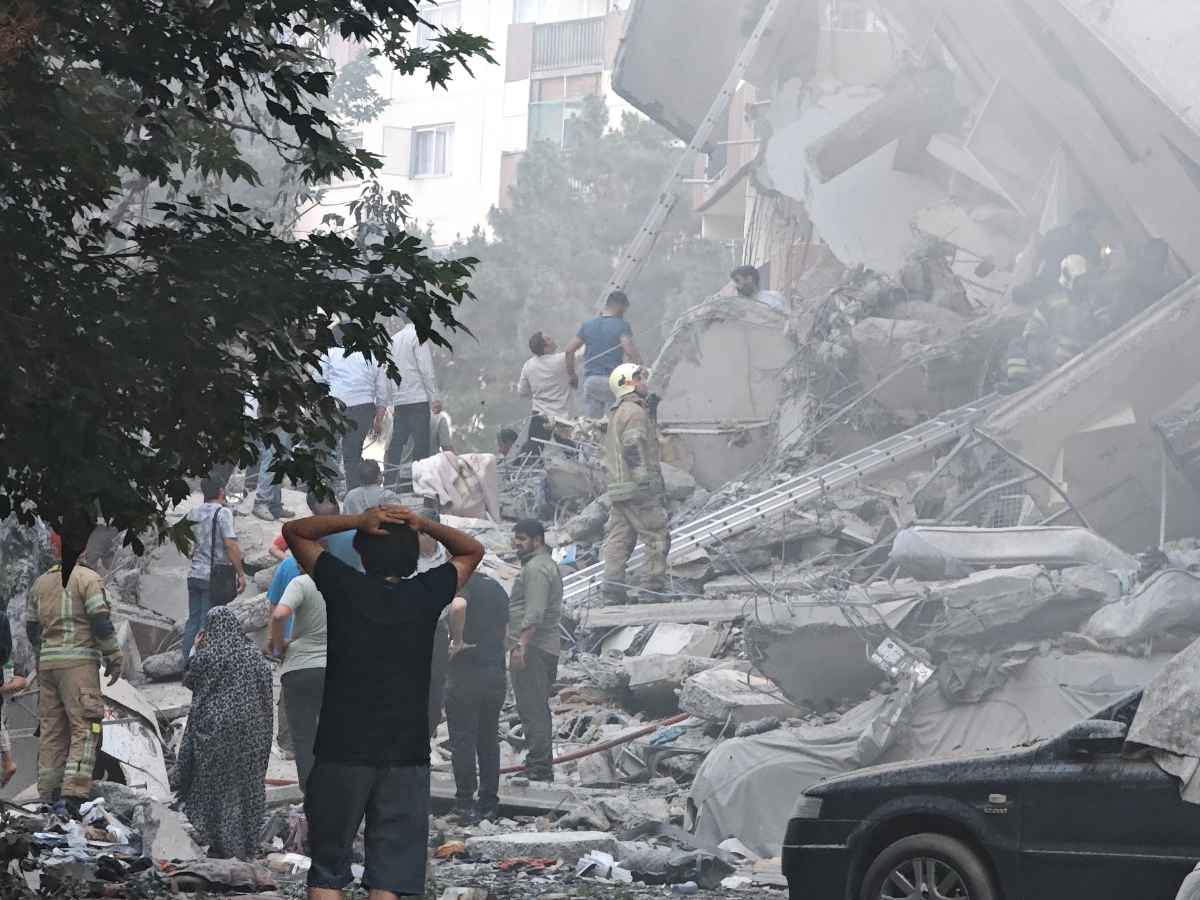
June 14, 2025: Israel has officially launched its long-anticipated military strikes on Iran, with Prime Minister Benjamin Netanyahu vowing that operations will continue “as long as necessary.” The strikes began early Friday morning and targeted high-value military and government sites across Iran, in what observers say is a carefully calculated offensive aimed at crippling Tehran’s nuclear and defense infrastructure.
Among the dead are some of Iran’s most senior military leaders, including:
The Israeli government claims the threat from Iran’s nuclear programme had become “imminent.” In a public address, Netanyahu warned that Tehran could have developed nuclear weapons within months, calling it a “red line” Israel could not afford to ignore.
“Iran could have produced a nuclear weapon in a very short time – it could be a year, or it could be a few months,” Netanyahu stated.
An unnamed Israeli military official reportedly claimed Iran had enough fissionable material to build 15 nuclear bombs within days.
Although Iran has long insisted its nuclear programme is peaceful, Israel – backed by the US – has frequently raised alarms about its potential weaponisation.
The attacks come despite ongoing diplomatic efforts by the United States to negotiate limits on Iran’s nuclear development. The timing has raised eyebrows internationally, with many analysts suggesting that the threat of Israeli military action may have been used to increase pressure during nuclear talks.
While the U.S. has not confirmed direct involvement, its role remains pivotal:
This operation puts Washington in a delicate position. American troops are stationed throughout the Middle East, and a retaliatory move from Iran or its allied groups could directly endanger them.
Iran’s leadership has vowed a “forceful response”, and the broader region remains on high alert. Iran backs multiple militant groups across the Middle East, including Hezbollah in Lebanon, Shiite militias in Iraq and Syria, and the Houthis in Yemen — all of whom could now be activated.
Experts warn this may be the beginning of a larger conflict that could spiral beyond bilateral tensions between Israel and Iran.
Israel is widely believed to possess nuclear weapons, though it has never publicly confirmed this. It is the only country in the Middle East known to have nuclear capability, giving it a strategic edge. If Iran were to acquire a nuclear bomb, that monopoly would end — a scenario Israel views as unacceptable.
This strategic calculus appears to be the core reason for the current escalation.
As tensions reach a boiling point, the coming days will be critical in determining whether this becomes a short-term tactical strike or the start of a wider regional war.
Actress weighs in on Iran–Israel discourse, ignites online reactions March 3, 2026: Television actress Devoleena…
India steps up diplomatic outreach as Iran-US conflict intensifies March 3, 2026: Prime Minister Narendra…
Actor clarifies intent after ‘misconception’ comment amid cheque bounce case March 3, 2026: Actor Sonu…
Israel says leadership compound hit; Kremlin signals de-escalation efforts March 3, 2026: The Israel Defense…
Party names nominees from six states for March 16 biennial polls March 3, 2026: The…
Filmmaker calls backlash “unfair” amid row over eight-hour shift demand March 3, 2026: Filmmaker Anubhav…