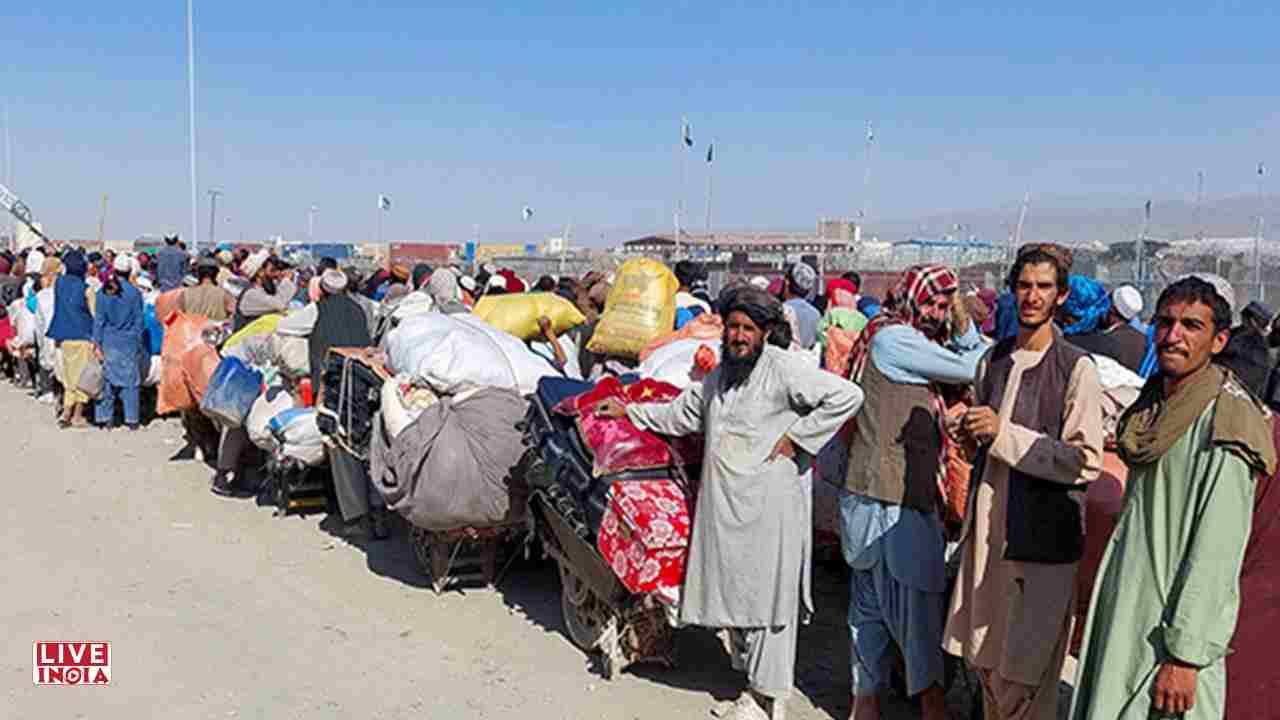
WHO Warns of Infectious Disease Surge Among Afghan Deportees Amid Poor Sanitary Conditions
Kabul [Afghanistan], July 11:
The World Health Organization (WHO) has raised serious concerns over the rapid spread of infectious diseases among Afghan migrants deported from neighboring countries, citing poor sanitary conditions and lack of medical infrastructure. The global health body has urged immediate reinforcement of medical resources and staff capacity to combat the growing health crisis, as reported by Khaama Press.
According to WHO, thousands of deported Afghan migrants arriving at border crossings like Islam Qala in Herat Province are suffering from upper respiratory infections, diarrhoea, dehydration, and skin conditions like scabies. A number of suspected COVID-19 cases have also been recorded, particularly affecting children and elderly returnees, who are most vulnerable to complications.
WHO’s ground assessments at key entry points such as Islam Qala, Spin Boldak, and Torkham have identified upper respiratory infections as the most frequently reported condition among deportees. The health agency warns that without swift intervention, there could be widespread outbreaks in already fragile communities.
“We are witnessing a steady rise in transmissible diseases like diarrhoea, scabies, and suspected COVID-19, with the most serious risks faced by children and older individuals,” a WHO representative noted.
In collaboration with local health authorities, the WHO has launched a full-scale emergency health response that includes:
At Islam Qala alone, over 8,700 children have received oral polio vaccines, while more than 8,300 individuals were given injectable polio vaccines. Additionally, thousands of deported children have been vaccinated against measles in high-risk zones.
Across all active border points, nearly 29,000 individuals have been screened or vaccinated since the outbreak response began. WHO mobile teams are performing daily health checks and have already identified and treated over 840 patients displaying symptoms of infectious diseases.
The WHO emphasizes that as deportation rates from neighboring countries continue to rise, the current medical response will not be sustainable without expanded funding and global coordination.
“The risk of a large-scale health emergency is real,” WHO warned in a statement. “We need urgent support to prevent disease outbreaks and provide critical care to thousands of returnees in crisis.”
The worsening public health situation comes amid ongoing political instability and humanitarian challenges in Afghanistan. With sanitary infrastructure severely under strain, the WHO’s warning signals the need for a coordinated international health intervention to prevent another wave of suffering among displaced populations.
As border crossings like Spin Boldak, Torkham, and Islam Qala continue to receive deported Afghan nationals in large numbers, the WHO’s efforts remain a vital frontline defense against a brewing health disaster. However, without increased support from international agencies and governments, Afghanistan risks facing an unmanageable outbreak of preventable diseases among its most vulnerable citizens.
Production house rejects claims linking Delhi missing girls rumours to film publicity February 6, 2026:…
‘Tere Sang’ teaser goes viral ahead of Valentine’s Week release February 6, 2026: Singer Arijit…
Former Bigg Boss 9 contestant and singer Suyyash Rai has sparked a social media firestorm…
Congress MLC says Siddaramaiah will remain CM for full five-year term February 6, 2026: Congress…
In a major legal blow, Bollywood actor Rajpal Yadav surrendered to the Tihar Jail authorities…
Top court pulls up Prashant Kishor-led party for seeking cancellation after electoral defeat February 6,…