
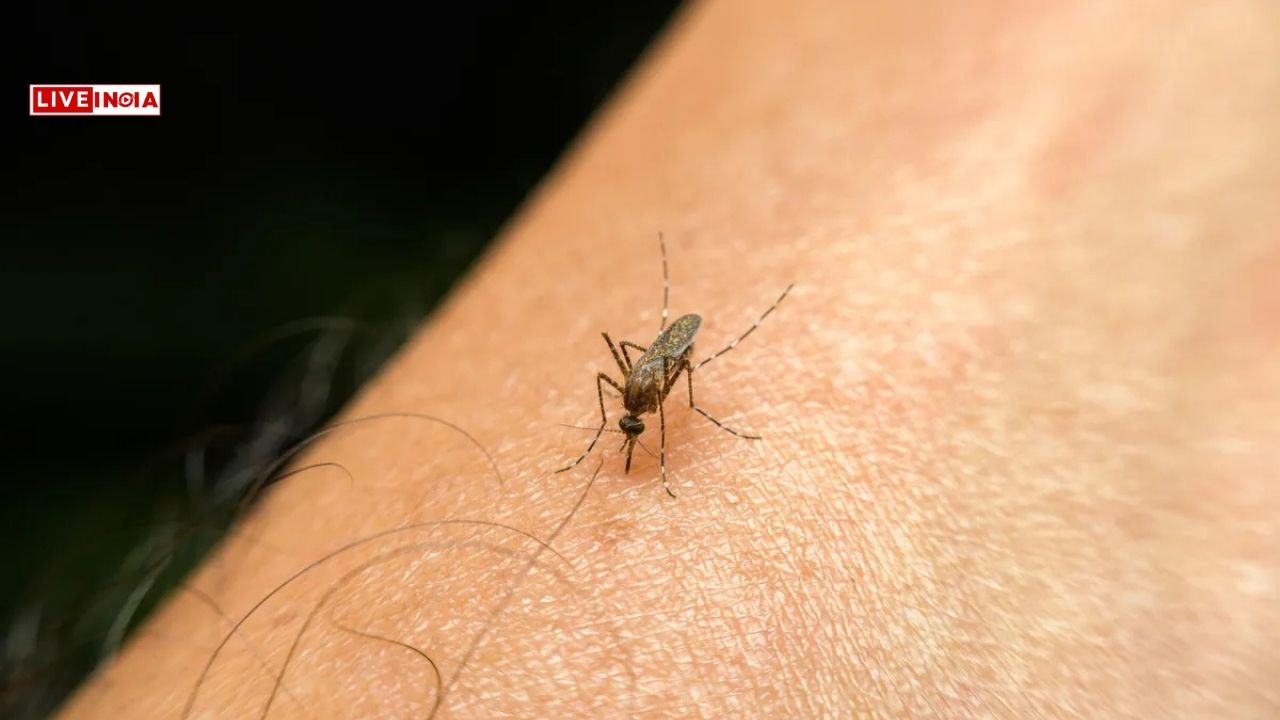


A 2022 Rockefeller University study pinpoints carboxylic acids in human skin emissions as a major attractant for mosquitoes, explaining why some people are irresistible to the pesky insects.
May 25, 2025: It’s a question we’ve all wondered during summer nights: why do mosquitoes seem to love some people more? A new study has uncovered a fascinating answer — it’s all about your skin’s scent.
Researchers at the Rockefeller University, in a 2022 study published in Cell, found that people who produce higher levels of certain skin acids are significantly more attractive to mosquitoes. Specifically, they identified carboxylic acids as a key draw for female Aedes aegypti mosquitoes, the primary culprits in the spread of dengue, chikungunya, yellow fever, and Zika.
Also Read: India Sees Uptick in Covid Cases, New Variants Detected: Key Updates You Need to Know
The team’s experiment involved collecting natural skin scents using nylon stockings worn on volunteers’ arms. These stockings were cut into small pieces and placed behind trap doors in a mosquito-filled chamber.
Lead researcher Leslie Vosshall shared that one volunteer, dubbed “subject 33,” was especially magnetic:
“Subject 33 won a hundred games. They were totally undefeated. Nobody beat them.”
Chemical analysis revealed that this volunteer produced significantly higher levels of carboxylic acids in their skin emissions, making them a mosquito magnet.
The study also suggested a potential genetic link: variations in carboxylic acid receptor genes might amplify this effect.
Also Read: Want to Loose Fat? Caffeine May Help Burn Fat and Lower Diabetes Risk, Says New Study
Still a Mystery, But a Path Forward
The exact reason why mosquitoes crave these acids remains unclear. However, the unique skin chemistry — or “skin climate” — of each person is thought to play a key role.
The researchers acknowledged the limitations of their work, noting they couldn’t remove carboxylic acids from the volunteers’ skin to confirm their full importance.
“Human skin odor is a complex blend of several classes of chemical compounds,” the study stated. “Our study focused exclusively on carboxylic acid groups.”
Given that mosquito-borne illnesses affect around 700 million people annually, these insights could pave the way for more effective mosquito repellents.
Tags:
mosquito attraction, carboxylic acids, Rockefeller University study, skin odorants, Aedes aegypti, mosquito repellent research, Cell journal, mosquito-borne diseases, public health, India science news