
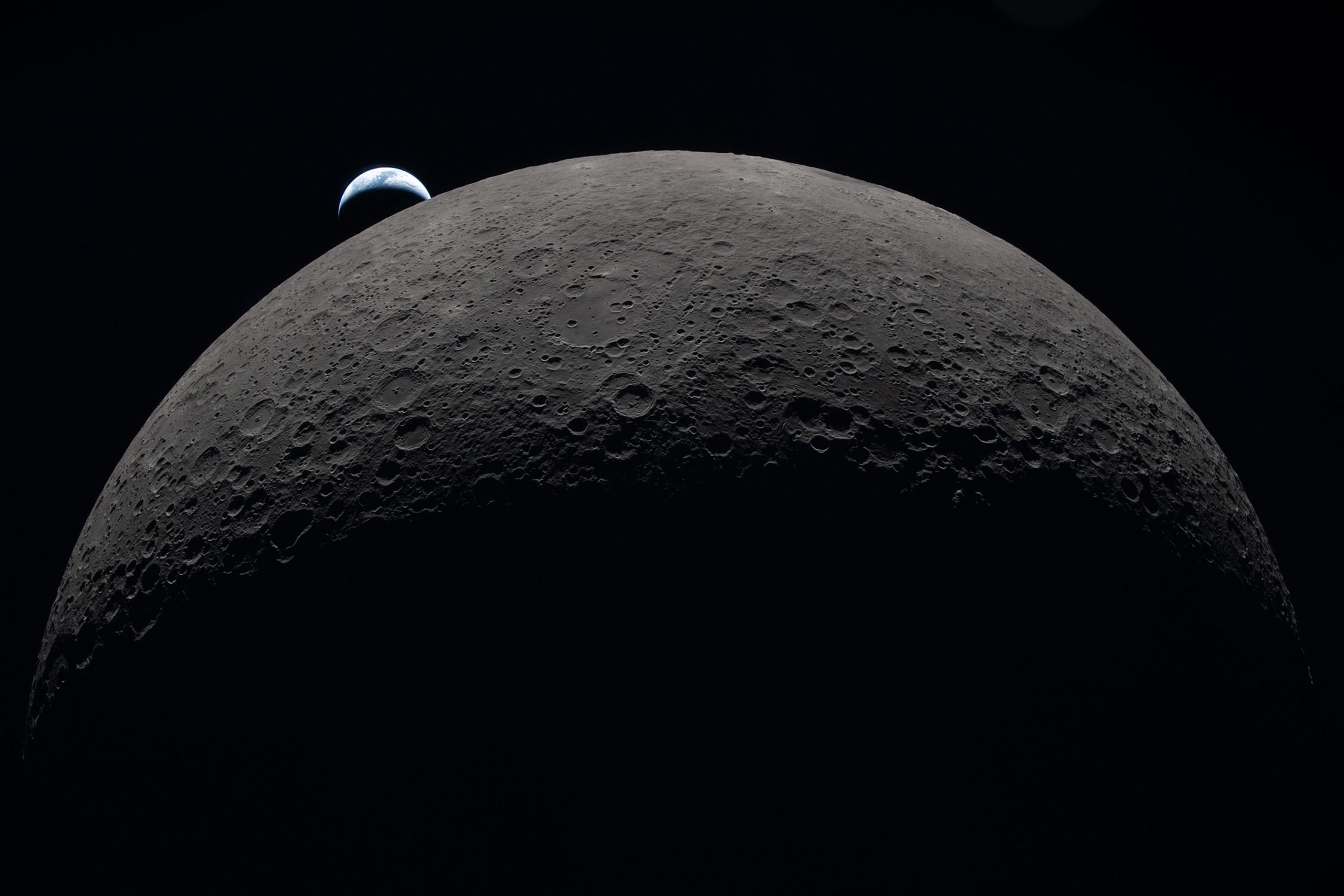


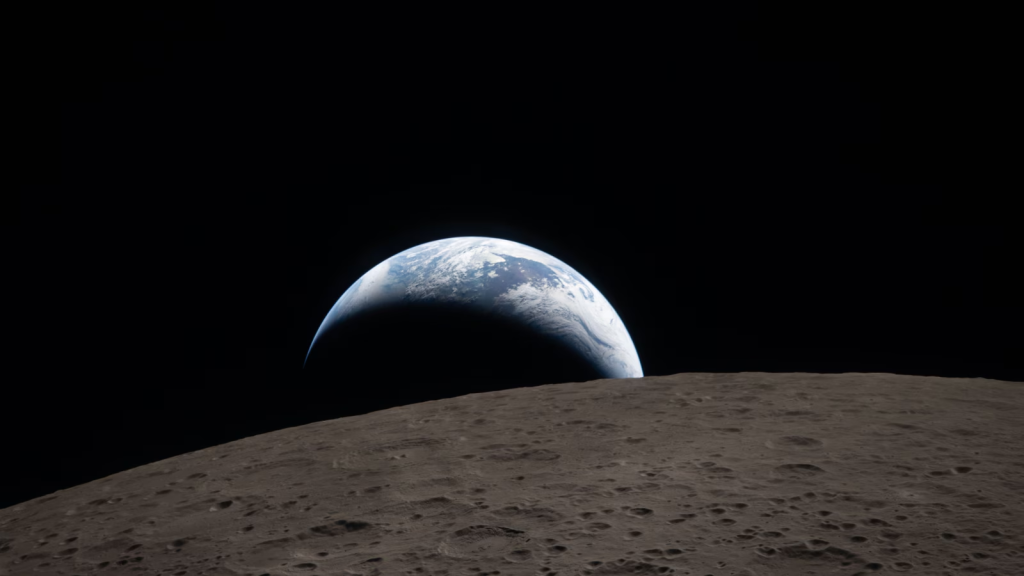
NASA has released a breathtaking collection of images captured by the Artemis II crew during their historic journey around the Moon. On April 6, 2026, as the Orion spacecraft performed a critical seven-hour flyby of the lunar far side, astronauts Reid Wiseman, Victor Glover, Christina Koch, and Jeremy Hansen documented regions of the lunar surface that have never been witnessed by human eyes.
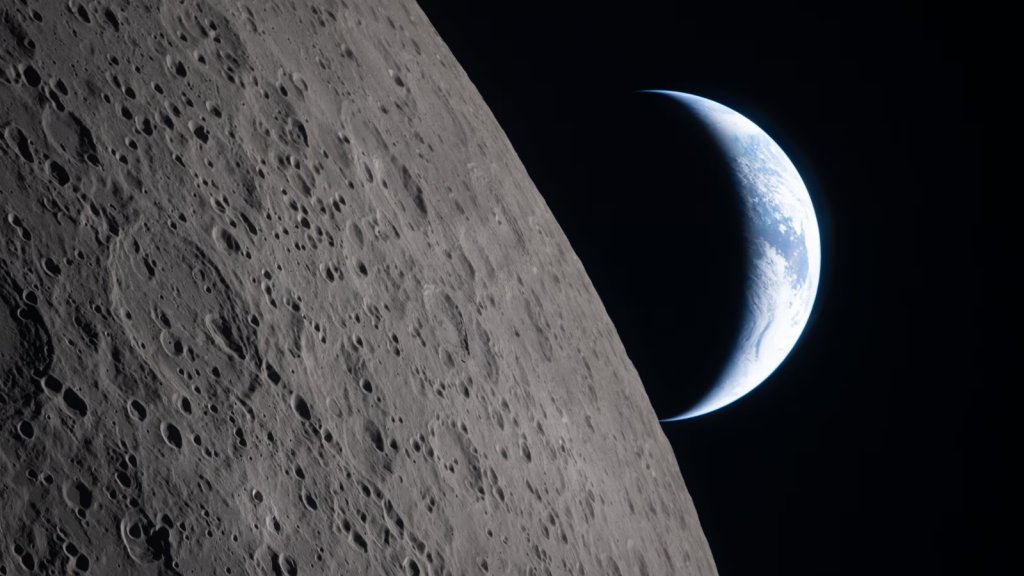
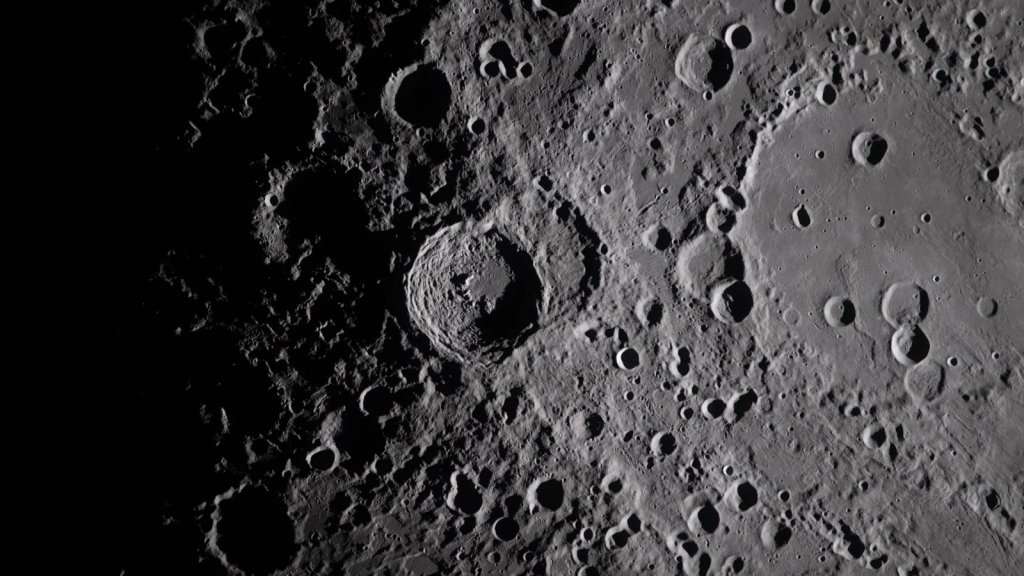
The images, released to the public on April 7, showcase the Moon’s rugged terrain in unprecedented detail, featuring ancient lava plains, deep craters, and intricate surface cracks.
Beyond the lunar surface, the mission provided a unique vantage point for celestial phenomena. One of the most striking captures included a rare solar eclipse as seen from deep space, offering a perspective entirely different from those viewed on Earth. NASA’s Science Mission Directorate noted that these images are not just visually stunning but are “brimming with science,” providing new data on meteoroid impact flashes and the distinct color variations of the Moon’s crust.
As the spacecraft began its trek back toward Earth, the crew also turned their lenses toward the cosmos, capturing a crystalline view of the Milky Way galaxy. “Hello, Moon. It’s great to be back,” NASA shared via social media, highlighting that these first few photos are just a “taste” of the extensive visual data collected. Scientists are now meticulously analyzing the photographs, audio recordings, and telemetry to pave the way for future lunar landings and eventual human missions to Mars.
Artemis II Mission Highlights
- The Crew: Reid Wiseman, Victor Glover, Christina Koch, and Jeremy Hansen.
- Key Discoveries: First-ever human-witnessed views of the lunar far side and an in-space solar eclipse.
- Technological Feat: The Orion spacecraft successfully captured high-resolution imagery while navigating the 40-minute communication blackout during the lunar flyby.