


A recently announced two-week ceasefire between the United States and Iran has come under immediate strain, with escalating tensions across multiple regions including the Strait of Hormuz and Lebanon raising doubts over its durability.
Fragile Start to the Truce
The ceasefire, described as a 15-point agreement, was announced with optimism by US officials who called it a “historic victory.” However, even within hours, officials acknowledged it remained a fragile arrangement, with no unified interpretation of its scope.
1. Strait of Hormuz Disruption
One of the earliest pressure points has been the Strait of Hormuz, a key global oil route.
Despite initial signals of resumed shipping, movement quickly slowed again. Reports indicated only a limited number of vessels passed through, while tensions reportedly disrupted normal oil flows, pushing crude prices higher and unsettling global markets.
2. Lebanon Remains a Flashpoint
A major point of confusion has been whether the ceasefire includes operations in Lebanon involving Hezbollah.
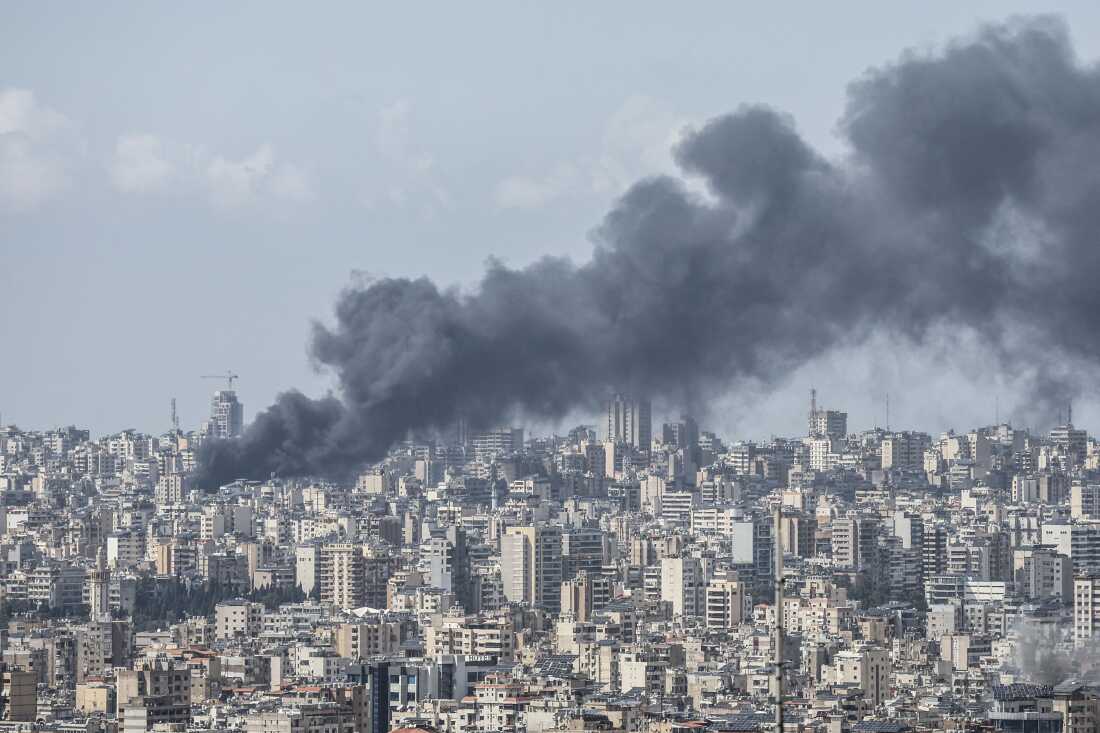
While some leaders claimed the truce applied across all theatres, US and Israeli officials rejected that interpretation. Israel continued military operations in Lebanon, carrying out extensive airstrikes, which triggered retaliatory rocket fire from Hezbollah.
3. Continued Regional Attacks
Despite the ceasefire announcement, reports of strikes and drone activity continued across multiple locations in West Asia.
Facilities in Gulf countries, including oil and infrastructure sites, were reportedly impacted, while Iranian-backed groups were also accused of continuing attacks near strategic locations in Iraq. These incidents have raised questions about enforcement and compliance.
4. Political and Strategic Divergence
Political disagreements have further weakened the ceasefire framework.
Israeli leadership has expressed concerns over not being fully integrated into the agreement, while opposition voices have criticised the deal as politically incomplete. Meanwhile, US officials have maintained that any long-term agreement will require stricter conditions, including limits on Iran’s nuclear and missile capabilities.
Rising Risk of Collapse
Analysts warn that the ceasefire is holding only narrowly, with some experts describing it as being “on the verge of collapse.” The lack of a shared definition of what the agreement covers remains a key challenge.
US officials have also signalled that military readiness will be maintained, keeping pressure on Iran while diplomatic talks are expected to continue in the coming days.
Outlook
While the ceasefire has not fully broken down, early developments suggest it remains highly unstable. With multiple conflict zones reacting differently to the agreement, its future now depends on whether diplomatic talks can align competing interpretations on the ground.